

Why dirty panels cost you money
Cleaning solar panels isn't about aesthetics; it's about money. Dirt, pollen, and bird droppings block sunlight from reaching the cells, which can cut your electricity generation by up to 25%. I've seen systems where a simple rinse restored enough power to pay for the water bill ten times over.
The energy loss isn’t always immediately obvious. A thin film of grime accumulates gradually, slowly eroding your system’s output over time. This means you’re not getting the full benefit of the energy you’re producing, and ultimately, your return on investment suffers. REC Group, a solar panel manufacturer, emphasizes the importance of cleaning for optimal performance in their quick guide to maintenance.
Beyond energy production, maintaining clean panels can also impact your warranty. Many solar panel warranties require regular maintenance, which includes cleaning. Failing to adhere to these requirements could void your warranty if performance issues arise. With the continued growth in solar adoption – and more homes relying on this energy source – proactive maintenance is becoming increasingly important.
As we move into 2026, the sheer number of residential and commercial solar installations means keeping these systems functioning at peak efficiency is more important than ever. It’s not just about environmental responsibility; it’s about getting the most out of a significant financial investment. Neglecting cleaning is essentially leaving money on the roof.
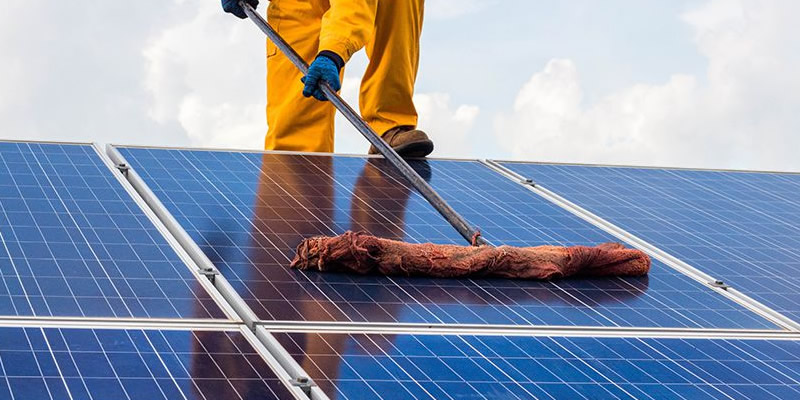
The cleaning kit
Gathering the right tools is the first step toward effective solar panel cleaning. You’ll need a few essentials to do the job safely and thoroughly. A soft-bristled brush is key – boar’s hair brushes are often recommended by professionals like Tucker USA for their gentle yet effective cleaning action. Avoid anything abrasive that could scratch the panel surface.
You'll need a squeegee to prevent water spots and microfiber cloths for the corners. If your panels are on a sloped roof, get an extension pole. It's safer and faster than climbing up there yourself.
For larger installations, consider a water-fed pole system. These systems deliver deionized water directly to the panels, eliminating the need for manual rinsing and reducing the risk of mineral deposits. Tucker USA offers a range of water-fed pole systems and accessories. Remember safety gear: gloves to protect your hands, eye protection to shield from splashes, and appropriate footwear for a secure grip.
Creating your own deionized water is possible, but requires a filter system to remove minerals. Using regular tap water can leave behind unsightly spots and reduce efficiency. Investing in a dedicated system, or purchasing deionized water, can save you time and effort in the long run.
- Soft-bristled boar’s hair brush
- Squeegee
- Microfiber cloths
- Extension pole
- Deionized water (or system to create it)
- Gloves
- Eye protection
- Appropriate footwear
The Cleaning Process: Step-by-Step Guide
Before you even touch the panels, a thorough inspection is vital. Look for any visible damage – cracks, loose wiring, or other issues. If you find anything concerning, contact a qualified solar technician before proceeding. Once you’ve confirmed the panels are structurally sound, you can begin the cleaning process.
Start by rinsing the panels with deionized water. This will loosen dirt and debris. Avoid using high-pressure water, as this could damage the panels. Next, gently brush the panels using your soft-bristled brush. Work in sections, overlapping each pass to ensure complete coverage. Don’t apply excessive pressure; let the water and brush do the work.
After brushing, use the squeegee to remove the remaining water. Start at the top of the panel and work your way down, overlapping each stroke. Follow up with a microfiber cloth to wipe away any remaining water spots or streaks. A final inspection will help you catch any missed areas.
Cleaning frequency depends on your location and environmental conditions. In areas with high pollen counts or frequent dust storms, more frequent cleaning is necessary. Generally, cleaning your panels 2-4 times per year is a good starting point. If your panels are on a steep roof, it’s best to hire a professional for safety reasons. Always clean during cooler parts of the day to avoid rapid water evaporation and streaking.
Cameras, sensors, and other outdoor tech
Solar panels aren't the only outdoor tech requiring attention. Security cameras, outdoor lighting with sensors, smart thermostats, and weather stations all benefit from regular cleaning. Each device has its own specific needs. Security cameras, for example, need clean lenses for optimal image clarity.
For cameras, use a microfiber cloth specifically designed for optics. Avoid harsh chemicals or abrasive cleaners, as these can damage the lens coating. Gently wipe the lens in a circular motion. Outdoor lighting with sensors needs to have the sensor surface cleared of dust and debris. This ensures accurate readings and proper functioning.
Smart thermostats and weather stations often have delicate sensors that can be obstructed by dirt or insects. Use a small brush or compressed air to carefully remove any obstructions. It’s crucial to protect electrical components from water damage when cleaning. Never directly spray water onto any device with exposed wiring or connections.
Before cleaning any outdoor tech, always consult the manufacturer’s instructions. Some devices may have specific cleaning recommendations or warnings. Regular cleaning not only improves performance but also extends the lifespan of your valuable outdoor technology.
Troubleshooting Common Cleaning Issues
Stubborn bird droppings can be a real challenge. Allow the droppings to soak in warm, soapy water for several minutes before gently scrubbing with a soft brush. Hard water stains can be removed with a solution of vinegar and water (a 50/50 mix). Apply the solution, let it sit for a few minutes, and then rinse thoroughly with deionized water.
Tree sap requires a specialized sap remover, available at most auto parts stores. Follow the product instructions carefully. Pollen buildup can be tackled with the same mild soap and water solution used for general cleaning. For particularly stubborn buildup, a longer soaking time may be necessary.
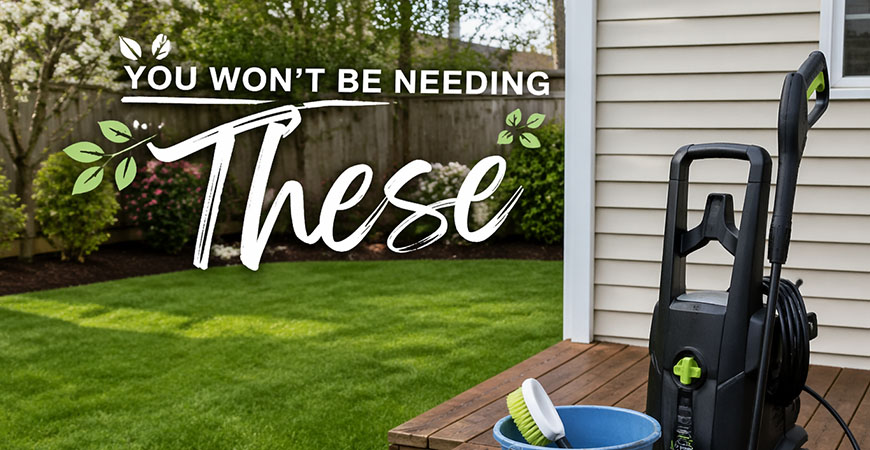
Avoid using pressure washers to clean solar panels or outdoor tech. The high pressure can damage the panels, sensors, and electrical components. Similarly, avoid abrasive cleaners, harsh chemicals, and scouring pads – these can scratch surfaces and void warranties. Always test any cleaning solution on a small, inconspicuous area first.
Preventative measures can significantly reduce cleaning frequency. Trim trees that overhang your solar panels or outdoor tech to minimize sap and leaf buildup. Consider installing bird deterrents to discourage nesting and reduce droppings. Regular inspections can help you catch and address issues before they become major problems.
Is Professional Cleaning Worth It?
Deciding whether to clean your solar panels yourself or hire a professional depends on several factors. The Footprint Hero video on YouTube explores this topic in detail, showing that the energy gain from cleaning can outweigh the cost, but the specifics vary based on your location and system size. They highlighted the importance of calculating your potential energy savings to determine if professional cleaning is a worthwhile investment.
Professional cleaning offers several advantages. Technicians have the expertise and equipment to clean panels safely and efficiently, especially on difficult-to-reach roofs. They can also identify and address any potential maintenance issues. However, professional cleaning comes with a cost, which can range from $150 to $300 or more, depending on the size of your system.
If your roof is steep or you’re uncomfortable working at heights, hiring a professional is the safest option. If you’re confident in your ability to clean the panels safely and have the necessary tools, DIY cleaning can save you money. Consider your personal comfort level, roof pitch, and panel accessibility when making your decision.
Ultimately, the best approach is to weigh the cost of professional cleaning against the potential energy savings. If you’re unsure, it’s always a good idea to get a quote from a reputable solar panel cleaning company and compare it to the estimated value of the energy you’d recover.
Maintaining Outdoor Tech Through the Seasons
Seasonal maintenance is key to keeping your outdoor tech in top condition. In the fall, prepare for leaf buildup by regularly clearing leaves and debris from around solar panels and outdoor cameras. This prevents blockage and ensures optimal performance. In the winter, carefully address snow and ice accumulation on solar panels.
Avoid using metal tools to remove snow, as these can scratch the panel surface. A soft brush or a specialized snow removal tool is recommended. In the spring, remove pollen and debris that have accumulated over the winter months. This is a particularly important time to clean solar panels, as pollen can significantly reduce energy production.
During the summer months, address bird droppings promptly. The summer heat can bake droppings onto the panel surface, making them more difficult to remove. Regular inspections for damage and wear and tear are essential throughout the year. Look for cracks, loose wiring, or other signs of deterioration.
Protecting your outdoor tech during severe weather events is also crucial. Consider covering cameras and sensors during thunderstorms or hurricanes. Disconnect sensitive equipment during periods of extreme weather to prevent damage from power surges.

No comments yet. Be the first to share your thoughts!