

The Fiber Frontier: Cleaning in 2026
Remember that feeling? You’ve scrubbed the kitchen counter for ten minutes, and it still looks streaky. Or maybe it’s the endless cycle of paper towels, destined for the landfill after a single use. Cleaning shouldn't feel like a losing battle. We’ve all been there, and honestly, it’s why I spend so much time thinking about the tools we use.
That brings us to the big question: microfiber or traditional cleaning? For decades, cotton cloths and sponges were the standard. They got the job done, but are they the best way to clean in 2026? The answer, as with most things, is complicated. But it's a question worth exploring, especially as we become more aware of both the effectiveness and environmental impact of our choices.
Cleaning technology has come a long way. While older methods weren’t inherently bad, they were less efficient, often requiring more elbow grease and harsher chemicals. Today, we have options that are not only more effective but also kinder to the planet. This article will break down the science, the costs, and the environmental considerations to help you decide what’s best for your home and your conscience.
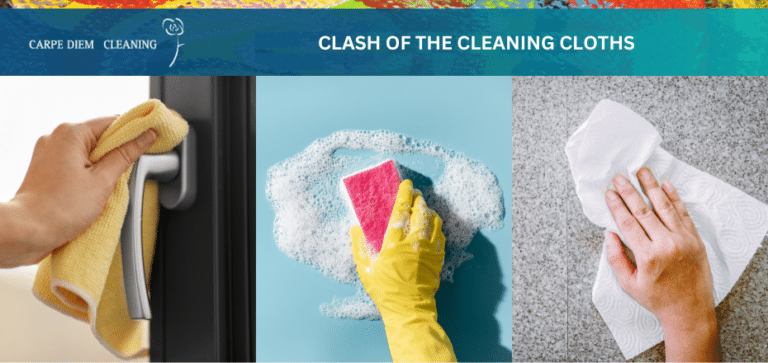
What *Is* Microfiber, Exactly?
Microfiber isn’t just a marketing buzzword; it's a specific type of fabric construction. At its core, it’s made from a blend of polyester and polyamide, synthetic polymers known for their durability. But the magic isn’t in the materials themselves – it’s in how they’re put together.
The key is the splitting of the fibers. Imagine taking a single strand and dividing it into hundreds of even smaller strands. This process creates an incredibly large surface area. To give you a sense of scale, a single microfiber strand is about 20 times thinner than a human hair. That’s a lot of surface area packed into a small space.
This increased surface area is what allows microfiber to be so effective at cleaning. More surface area means more places for the fibers to grab onto dirt, dust, and grime. They don’t just push dirt around; they lift it and trap it within the fabric. It’s like having millions of tiny hooks constantly working to remove debris.
Traditional Tools: A Quick Look Back
For generations, cotton cloths, sponges, and various synthetic blends have been the workhorses of home cleaning. Cotton, particularly, was a staple – readily available, washable, and relatively inexpensive. Sponges, both natural and synthetic, offered a different texture for scrubbing and absorbing.
These materials primarily clean through mechanical action – physically scrubbing a surface to loosen dirt. They also absorb liquids, but their absorbency is limited compared to microfiber. The dirt is then held within the material, requiring rinsing or disposal.
However, traditional tools have limitations. Cotton tends to spread dirt around rather than lifting it, and it can leave streaks. Sponges, if not properly maintained, can harbor bacteria. Synthetic blends often lack the absorbency of cotton or the scrubbing power of a sponge. They served us well, but advancements in materials science have offered alternatives.
The Dirt on Performance: A Head-to-Head
Let’s get down to brass tacks: how do microfiber and traditional cloths stack up when it comes to actual cleaning performance? The differences are significant, and they come down to the unique properties of microfiber.
In terms of dust removal, microfiber excels. Its split fibers create a static charge that attracts dust like a magnet. Traditional cloths often just push dust around. When cleaning stainless steel, microfiber consistently delivers a streak-free shine, while cotton often requires extra polishing. For wiping down glass, microfiber outperforms cotton by a wide margin, leaving a clear, spotless surface.
Microfiber also shines when it comes to grease cutting. Its fibers can encapsulate oil and lift it away from surfaces, making it ideal for kitchen cleaning. Traditional cloths struggle with grease, often leaving a residue. And when it comes to liquid absorption, microfiber can absorb up to seven times its weight in water, far exceeding the capacity of cotton.
Scrubbing power is another area where microfiber has an edge. The tightly woven structure of microfiber provides gentle abrasion, allowing it to remove stubborn stains without scratching surfaces. While sponges can offer more aggressive scrubbing, they also pose a higher risk of damage. According to a Skura Style study, microfiber cloths can remove 99% of bacteria from a surface, compared to 85% with traditional cotton cloths.
Here's a quick breakdown across common tasks:
- Dust Removal: Microfiber attracts and traps dust, while cotton tends to spread it.
- Grease Cutting: Microfiber encapsulates and lifts grease, leaving surfaces clean.
- Liquid Absorption: Microfiber absorbs up to 7x its weight in water.
- Streak-Free Results: Microfiber consistently delivers cleaner, streak-free surfaces.
- Bacterial Removal: Microfiber removes a higher percentage of bacteria compared to cotton.
Microfiber vs. Traditional Cleaning Tools: A Comparative Analysis
| Metric | Microfiber | Traditional (Cotton/Synthetic Blend) | Stainless Steel | Wood Surfaces |
|---|---|---|---|---|
| Effectiveness on Glass | Excellent | Good | Excellent | Fair |
| Effectiveness on Stainless Steel | Excellent | Good | Excellent | Good |
| Effectiveness on Wood Surfaces | Good | Fair | Fair | Good |
| Cost (Initial Investment) | Moderate | Low | Low | Low |
| Durability & Lifespan | Good | Fair | Fair | Fair |
| Environmental Impact | Good (Washable & Reusable) | Fair (Disposable options common) | Fair | Fair |
| Ease of Use | Excellent | Good | Good | Good |
| Absorbency | Excellent | Good | Good | Good |
Illustrative comparison based on the article research brief. Verify current pricing, limits, and product details in the official docs before relying on it.
Cost & Longevity: What Will It Take?
The initial investment for microfiber cloths is typically higher than for traditional cloths. A 12-pack of Amazon Basics Microfiber Cleaning Cloths costs around $14 as of late 2026, while a similar pack of cotton cloths might be $8. However, that’s where the comparison gets more nuanced.
Microfiber cloths are designed to be reusable and washable – often hundreds of times. A high-quality microfiber cloth, properly cared for, can last for years. Traditional cloths, on the other hand, wear out quickly and need to be replaced frequently. Over time, the cost of constantly replacing cotton cloths can easily exceed the initial investment in microfiber.
Washing microfiber doesn’t significantly diminish its effectiveness, but it’s important to follow proper care instructions (more on that later). Avoiding fabric softeners and harsh detergents will help preserve the fibers. You can realistically expect a good microfiber cloth to withstand 300-500 washes without a noticeable decline in performance.
Featured Products
![Amazon Basics Microfiber Cleaning Cloths, Ultra Absorbent, Lint Free, Streak Free, Non-Abrasive, Reusable and Washable, 16" x 12", Blue/White/Yellow, Pack of 24 [Amazon-developed Certification] Compact by Design](https://m.media-amazon.com/images/I/91WjG1lqmLL._AC_UL960_QL65_.jpg)
Ultra absorbent, lint-free, and streak-free cleaning · Non-abrasive and reusable · Pack of 24 cloths in assorted colors
These highly-rated microfiber cleaning cloth sets offer superior absorbency and durability, making them ideal for readers looking to enhance their home cleaning efficiency.

Ultra-soft and scratch-free microfiber for car detailing · Designed for cleaning cars, trucks, and motorcycles · Pack of 12 gold-colored towels
These highly-rated microfiber cleaning cloth sets offer superior absorbency and durability, making them ideal for readers looking to enhance their home cleaning efficiency.

Highly absorbent and super soft microfiber washcloths · Multi-purpose use for bathroom, kitchen, hotel, spa, and gym · Pack of 12 grey fingertip towels
These highly-rated microfiber cleaning cloth sets offer superior absorbency and durability, making them ideal for readers looking to enhance their home cleaning efficiency.

Pack of 48 microfiber cleaning cloths · Suitable for various cleaning tasks · Offers great value for bulk purchase
These highly-rated microfiber cleaning cloth sets offer superior absorbency and durability, making them ideal for readers looking to enhance their home cleaning efficiency.

600 GSM thick plush microfiber towels for auto detailing · Super soft dual-sided design for cleaning, washing, and buffing · Tagless, scratch-free, and lint-free construction
These highly-rated microfiber cleaning cloth sets offer superior absorbency and durability, making them ideal for readers looking to enhance their home cleaning efficiency.
As an Amazon Associate I earn from qualifying purchases. Prices may vary.
Environmental Impact: A Greener Clean?
The environmental benefits of microfiber are substantial. By reducing the need for disposable wipes and paper towels, you’re directly decreasing landfill waste. Traditional cotton production, however, requires significant amounts of water, pesticides, and land. Switching to microfiber can lessen that demand.
One concern with microfiber is the shedding of microplastics during washing. These tiny plastic fibers can end up in waterways and potentially harm aquatic life. However, there are steps you can take to mitigate this issue. Using a laundry bag designed to capture microfibers, like the Guppyfriend Washing Bag, can significantly reduce shedding.
Washing microfiber less frequently and using cold water can also help. While microfiber isn’t a perfect solution, it generally represents a more sustainable cleaning option than relying on disposable products or conventionally grown cotton. It's about making informed choices and minimizing our environmental footprint.
Beyond the Cloth: Cleaning Solutions Matter
Don’t underestimate the role of cleaning solutions. While microfiber can be remarkably effective with just water, the right cleaning solution can amplify its performance. However, not all solutions are created equal when it comes to microfiber.
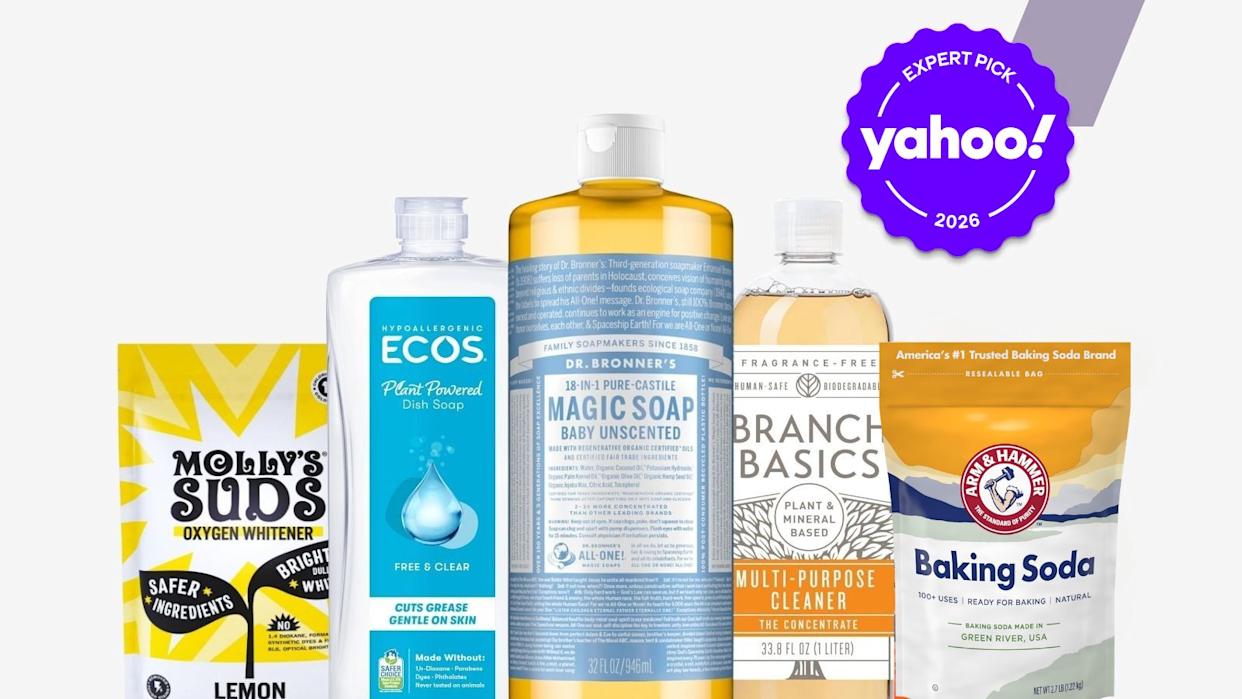
Avoid harsh chemicals like bleach and ammonia, as they can damage the fibers. Opt for pH-neutral cleaners specifically designed for microfiber. Many eco-friendly cleaning solutions work exceptionally well with microfiber, offering a sustainable and effective cleaning combination.
Microfiber’s effectiveness stems from its physical properties, so it’s capable of lifting dirt and grime even without strong chemicals. This makes it a great choice for people who are sensitive to harsh cleaning products or prefer a more natural approach. The cloth and the solution work together; one isn't a substitute for the other.
Microfiber Maintenance: Keeping Them Working
Proper care is essential for maximizing the lifespan and effectiveness of your microfiber cloths. Always wash them separately from other laundry, as microfiber will attract lint and debris. Avoid using fabric softeners, as they coat the fibers and reduce their absorbency.
Wash microfiber in warm water with a mild detergent. Tumble dry on low heat or air dry. Avoid ironing, as the heat can melt the fibers. If staining occurs, try soaking the cloth in a solution of vinegar and water before washing.
Here's a step-by-step guide:
- Wash Separately: Avoid mixing with lint-producing fabrics.
- Use Mild Detergent: Harsh chemicals can damage the fibers.
- Avoid Fabric Softener: It reduces absorbency.
- Warm Water Wash: Avoid very hot water.
- Low Heat Dry: Air drying is best.


No comments yet. Be the first to share your thoughts!