

Kitchen Cleaning, Reimagined
We're all more aware of how our daily habits affect the environment, and many of us want to live more sustainably. The kitchen, often a source of waste, is a good place to start. Some people think eco-friendly cleaning means sacrificing effectiveness, but that's not true.
Conventional cleaners often contain harsh chemicals that harm us and the planet. Their plastic packaging also adds to landfill waste. You can have a spotless kitchen and a clear conscience. Here are practical, zero-waste solutions for keeping your appliances sparkling.
This isn't about strict rules or giving up on cleanliness. It's about making smart choices, trying simple swaps, and using natural cleaning agents. A healthy home starts with a healthy planet. Here are actionable steps to create a kitchen that's both functional and good for the environment.

Decoding 'Green' Labels
Figuring out eco-friendly products can be confusing. Many 'green' labels promise environmental responsibility, but it's essential to know what they mean. The EPA’s Safer Choice program is a good place to start. It helps consumers find products with safer chemicals that still work well.
Safer Choice isn't the only label. Look for Green Seal and EcoLogo too. Green Seal has standards for many products, like cleaning supplies and paper towels, and considers their entire lifecycle. EcoLogo also evaluates environmental performance from start to finish. The strictness of these standards can differ.
Sadly, 'green' is often misused, a practice called 'greenwashing.' Companies trick consumers into thinking their products are more eco-friendly than they are. Look for specific certifications and ingredient lists. Be cautious of vague claims like 'natural' or 'eco-friendly' without proof. Do some research and compare products before buying.
- EPA Safer Choice: Focuses on safer chemical ingredients.
- Green Seal: Assesses lifecycle impacts across various products.
- EcoLogo: Evaluates environmental performance throughout a product's lifecycle.
Comparison of Eco-Labels for Kitchen Cleaning Products
| Eco-Label | Scope of Certification | Cost to Manufacturer | Consumer Recognition | Notes |
|---|---|---|---|---|
| Safer Choice (EPA) | Formulated product ingredients; focuses on human health and environmental impacts. Does not certify final products, but recognizes those meeting criteria. | Variable, depends on testing and formulation changes. Generally considered moderate. | Relatively high, due to EPA association and visible logo. | Focuses specifically on safer chemical ingredients; doesn't address broader sustainability factors like packaging. |
| Green Seal | Full product lifecycle – from manufacturing to use and disposal. Includes criteria for cleaning performance. | Moderate to High, involves comprehensive assessment and ongoing compliance monitoring. | Moderate, well-established but less widely recognized than Safer Choice. | Requires independent verification and publicly available disclosure of ingredients. |
| EcoLogo (UL) | Broad range of product categories, including cleaning products. Focuses on reduced environmental impact throughout the product's life cycle. | Moderate to High, similar to Green Seal, involving rigorous testing and auditing. | Moderate, growing recognition, particularly in commercial and institutional settings. | Operated by UL (Underwriters Laboratories), a globally recognized safety science company. |
| USDA Organic | Applies to cleaning products containing agricultural ingredients (e.g., plant-based soaps). Certifies that agricultural ingredients are produced without prohibited substances. | Variable, dependent on organic farming practices and certification costs. | Moderate, primarily recognized for food, but increasing awareness in cleaning products. | Limited to the agricultural component of the product; does not assess the entire formulation or manufacturing process. |
| EU Ecolabel | Covers a wide range of products, including cleaning products. Focuses on reducing environmental impacts throughout the life cycle. | Moderate to High, requires independent verification and compliance with strict criteria. | Growing, particularly within Europe, but less known in other regions. | A European Union initiative, offering a standardized approach to environmental performance. |
| Design for the Environment (DfE) – Canada | Evaluates the entire life cycle of cleaning products, focusing on human health and environmental impacts. Similar to Safer Choice. | Moderate, involves testing and assessment of product formulations. | Moderate, recognized within Canada, but limited awareness internationally. | Developed by Environment and Climate Change Canada. |
Illustrative comparison based on the article research brief. Verify current pricing, limits, and product details in the official docs before relying on it.
DIY Cleaning Powerhouses
Making your own effective cleaning solutions is empowering. You probably have most ingredients in your pantry already. For an all-purpose cleaner, mix equal parts white vinegar and water. Adding citrus peels like lemon, orange, or grapefruit gives it a nice scent and boosts cleaning power.
Conventional dish soap has harsh chemicals and plastic bottles. Soap nuts, which are dried fruit shells with natural saponins, are a great alternative. Washing soda (sodium carbonate) is also a powerful cleaner and degreaser. For a homemade oven cleaner, make a paste of baking soda and water. Let it sit overnight, then scrub away baked-on grime.
Keep a few things in mind. Vinegar's acidity can damage surfaces like marble and granite, so test it in a hidden spot first. If you dislike the vinegar smell, add essential oils. Washing soda is a strong alkali; wear gloves to protect your skin. These precautions ensure safe and effective cleaning.
Zero-Waste Appliance Deep Dives
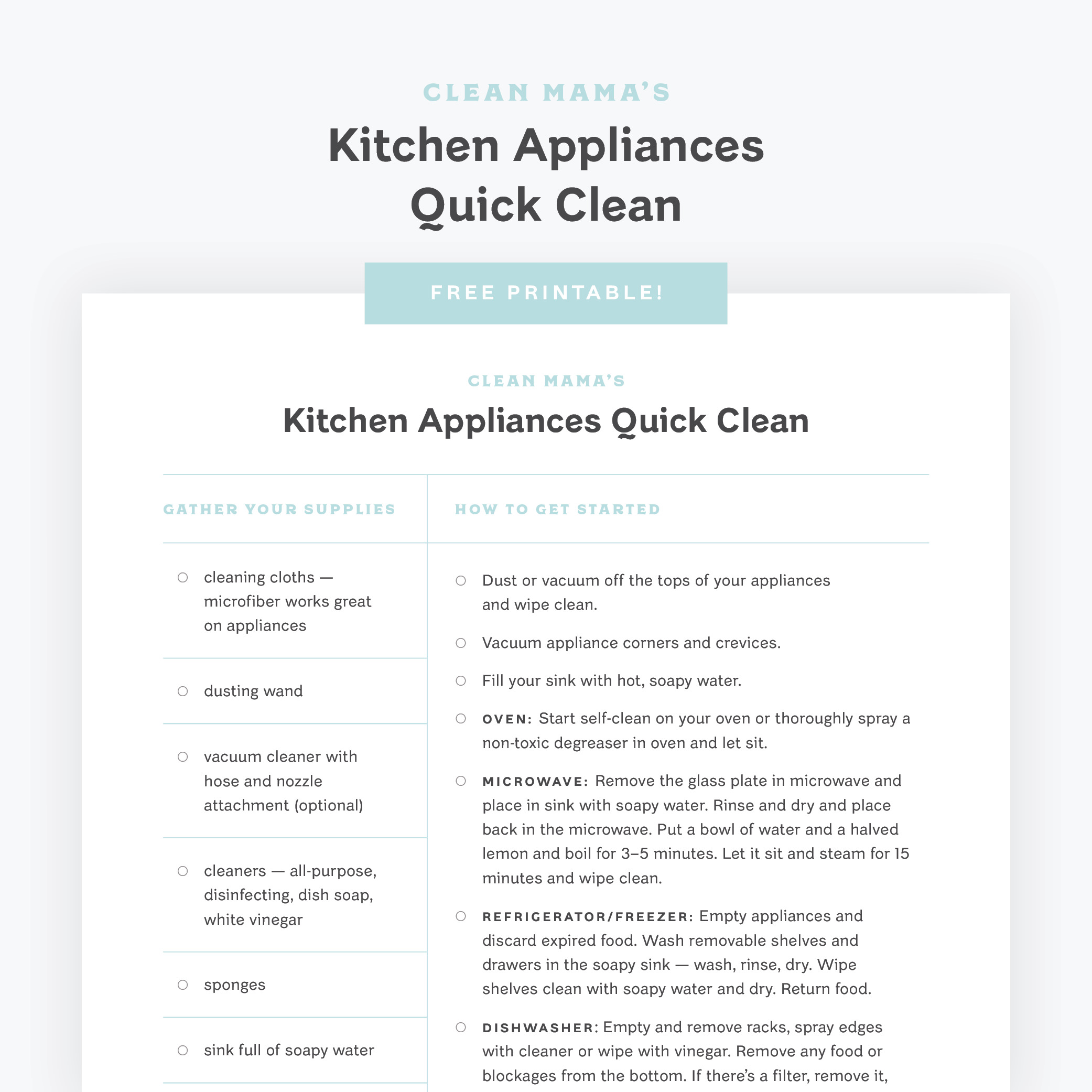
Let's get specific. Your dishwasher can get a zero-waste refresh. Skip chemical rinse aids and use citric acid; it prevents water spots. For odors, sprinkle baking soda in the bottom before running a cycle. In the refrigerator, a vinegar and water solution cleans surfaces well, and an open box of baking soda or activated charcoal absorbs smells.
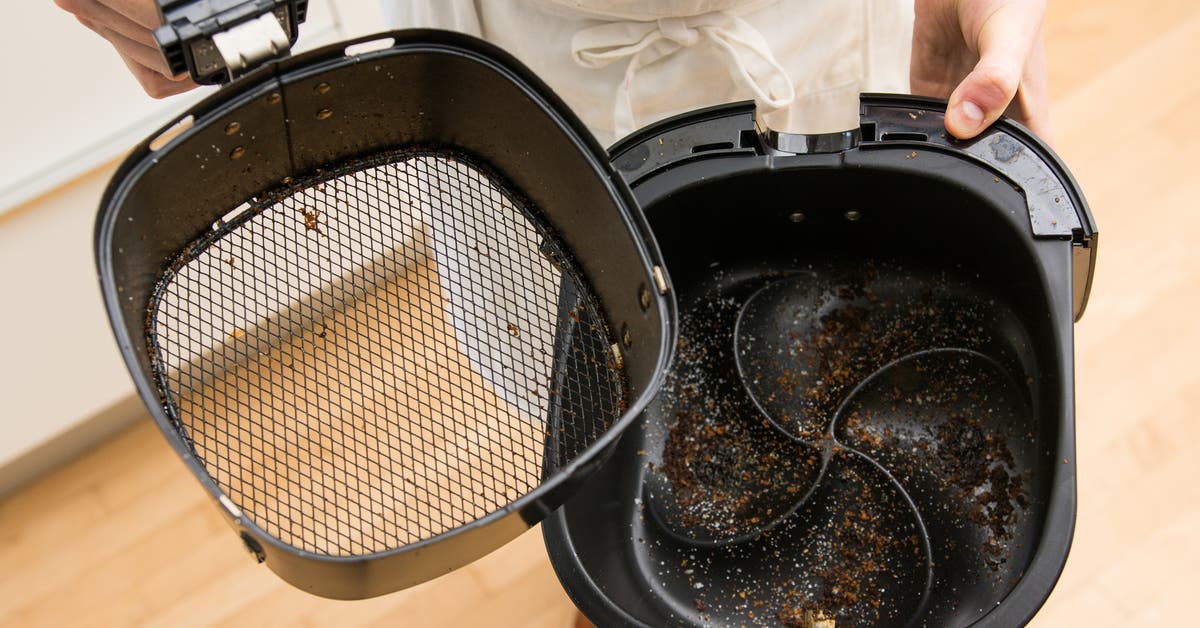
Clean the microwave with steam. Put a microwave-safe bowl of water and a sliced lemon inside, heat for several minutes, and let the steam loosen splatters. For the oven, the baking soda paste mentioned earlier works well. Let it sit overnight for tough messes. Make stainless steel appliances shine with a little olive oil; apply and buff with a microfiber cloth.
Don't forget glass cooktops! A baking soda and water paste removes burnt-on food without scratching. Rinse thoroughly. These appliance solutions reduce waste and exposure to harsh chemicals. Find natural alternatives that work just as well, or better, without harming the environment.
Tools for a Sustainable Kitchen
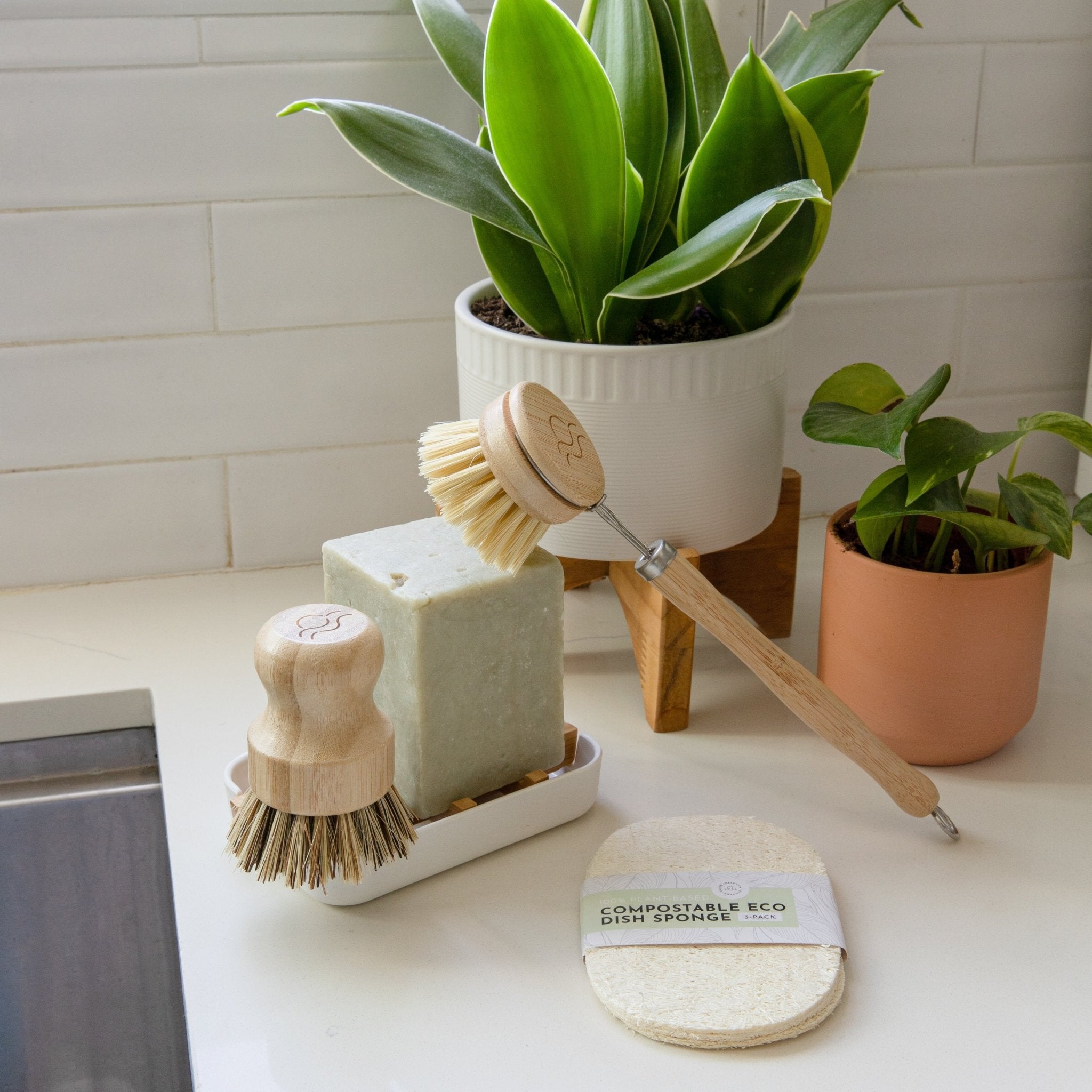
Eco-friendly cleaning involves the tools you use, not just the products. Reusable spray bottles are essential – get a few durable glass or stainless steel ones and refill them with your homemade cleaners. Bamboo brushes are a sustainable swap for plastic ones, and compostable cellulose sponges are great for dishwashing.
null
You can find these items at many retailers, including online marketplaces like Amazon and specialized eco-friendly stores. While the initial investment might be slightly higher than conventional tools, their durability and reusability will save you money in the long run and reduce your environmental impact. Clean Envy Laundromat in Van Nuys, California, is a good example of a business that understands the importance of sustainable practices (yelp.com).
Sparkle Sustainably: Top 8 Eco-Friendly Kitchen Cleaning Essentials for 2026

Durable glass bottles with protective silicone sleeves · Adjustable spray nozzles for versatile use · 16 oz capacity, ideal for homemade cleaning solutions
These refillable glass spray bottles allow you to create your own eco-friendly cleaning solutions, reducing plastic waste.

Ergonomic palm scrubber design for comfortable grip · Durable bamboo handle and natural cellulose sponge · Safe for various kitchen surfaces, including non-stick and cast iron
This bamboo dish brush offers a sustainable alternative to plastic scrubbers, with a compostable sponge head.

Made from plant-based cellulose and coconut fibers · Compostable design for easy disposal · Effective scrubbing power for tough kitchen messes
These compostable sponges provide a powerful, yet environmentally conscious way to tackle dirty dishes and surfaces.

Ultra-absorbent microfiber for streak-free cleaning · Durable and designed for up to 1200 washes · Versatile for mirrors, appliances, and car washing
These high-performance microfiber cloths are reusable and highly absorbent, eliminating the need for disposable paper towels.

Biodegradable and concentrated formula · All-purpose cleaner for floors, laundry, dishes, and more · EWG Verified for safety and environmental standards
Dr. Bronner's Sal Suds is a powerful, biodegradable cleaner that can replace multiple single-use cleaning products, minimizing waste.
As an Amazon Associate I earn from qualifying purchases. Prices may vary.
Tackling Tough Grease & Grime
Even with the best eco-friendly cleaners, some messes require extra effort. For tough grease, borax can be a surprisingly effective addition to your laundry routine. It boosts the cleaning power of your detergent and helps cut through stubborn stains. When dealing with baked-on food or hard water stains, a paste made from baking soda and hydrogen peroxide can work wonders, but always test on an inconspicuous area first.
Essential oils aren’t just for fragrance. Many essential oils, like tea tree, lemon, and eucalyptus, possess antibacterial and antifungal properties, adding an extra layer of cleaning power to your solutions. Preventative cleaning is also key. Wipe up spills immediately, rinse dishes promptly, and regularly clean your appliances to prevent build-up.
Don’t be afraid to let your cleaners sit for a while. Allowing a baking soda paste to soak overnight, for example, can significantly reduce the amount of scrubbing required. Patience and persistence are often the best allies in the fight against tough messes. Remember, eco-friendly cleaning isn’t about instant gratification; it’s about consistent effort and mindful choices.
Beyond the Kitchen: Composting & Waste Reduction
Eco-friendly cleaning extends beyond the products we use. Composting kitchen scraps is a fantastic way to reduce landfill waste and create nutrient-rich soil for your garden. Fruit and vegetable peels, coffee grounds, eggshells, and tea bags are all excellent candidates for composting. There are various composting methods available, from traditional backyard piles to indoor worm bins.
Reducing food waste is another crucial aspect of a sustainable kitchen. Plan your meals, store food properly, and use leftovers creatively. Minimizing packaging is also important. Choose products with minimal packaging, opt for bulk purchases when possible, and support companies committed to sustainable packaging practices.
Ultimately, eco-friendly cleaning is part of a larger lifestyle shift. It’s about being mindful of our impact on the planet and making conscious choices to reduce our footprint. It’s about recognizing that a healthy home and a healthy planet are inextricably linked. As Clean with Envy Inc. on Facebook reminds us, it’s about utilizing the "Fantastic Four" of green cleaning and going green (facebook.com).

No comments yet. Be the first to share your thoughts!