

The Rise of the Robot Vacuum
Robot vacuums kicked off the smart home cleaning revolution. Early models in the 2000s aimed for hands-off floor care but often missed the mark. They bumped randomly, got stuck on small things, and needed constant human help. They were more novelty than a real solution.
These robots have changed a lot. Better sensors, batteries, and AI are fixing early problems. We've gone from random cleaning to planned paths, and from frequent stops to longer operation. This makes a big difference in home maintenance.
Today's robots are more than just automated chores; they're intelligent cleaning systems. A spotless home with minimal effort is now possible. These are far from the old Roombas, with current improvements driven by AI.
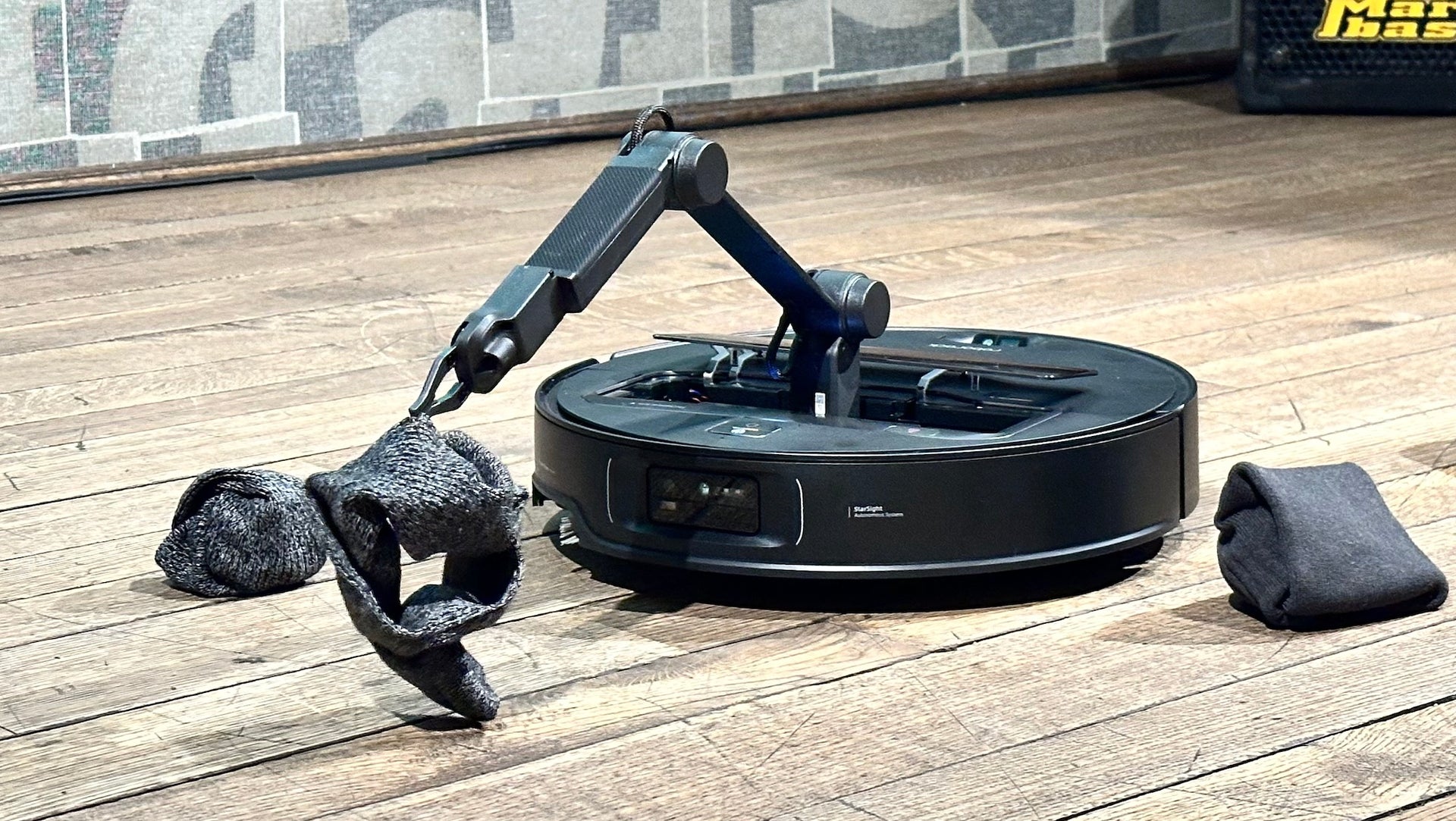
AI-Powered Navigation: Beyond Basic Bumping
AI-powered navigation is the biggest leap in robot vacuums. Early models used simple bump-and-turn reactions. Modern robots understand their environment using technologies like Simultaneous Localization and Mapping (SLAM) to map your home.
SLAM helps robots track their location and cleaned areas, preventing repeats or missed spots. Object recognition adds real power. For instance, some robots can detect over 100 objects like shoes, cables, pet bowls, and furniture legs.
This goes beyond avoiding collisions; it's about smart cleaning. A robot can focus on spills or clean high-traffic zones more often. Recognizing obstacles versus reacting to them makes a big difference, shifting from floor cleaning to space maintenance.
Benefits of this navigation include more efficient cleaning, less robot wear, and less need for human help. It's a shift from a tool needing your attention to one that works on its own.
Deep Cleaning Systems: More Than Just Vacuuming
Smart home cleaning has evolved past vacuuming. All-in-one systems now handle vacuuming and mopping, with advanced features. Some systems include comprehensive base stations that automate maintenance.
These base stations do more than charge. They wash and dry mop heads, empty dustbins, and refill water tanks. This greatly reduces hands-on work, a major convenience for busy people.
Many systems offer adjustable suction and water flow for custom cleaning based on floor type. Some detect floor types and adjust settings automatically. Handling hardwood, tile, and carpet effectively is a big advantage, and many systems accept different cleaning solutions.
Combining mopping with vacuuming is a significant improvement. It allows a comprehensive clean, tackling dust and grime in one pass. These systems make deep cleaning less of a chore and more of a set-it-and-forget-it process.
Obstacle Course Champions: Real-World Testing
Everyday home obstacles test a robot vacuum's intelligence. Cords, pet waste, rugs, and furniture legs are challenges. Latest AI models handle these tasks well, navigating obstacles with surprising grace thanks to advanced sensors and algorithms.
Object recognition helps robots avoid pet waste, preventing messes. They can navigate around cords instead of getting tangled. Rugs, once a problem, are now handled easily with automatic carpet boost features that increase suction power.
An older robot vacuum getting stuck on a rug fringe was a common frustration. Newer models would likely navigate around it. These improvements lead to a more satisfying cleaning experience.
Handling obstacles prevents damage to the robot and home, making it last longer and perform better.
- Cords: AI-powered object recognition allows robots to detect and avoid tangled messes.
- Pet Waste: Intelligent systems can identify and steer clear of unpleasant surprises.
- Rugs: Automatic carpet boost increases suction power for effective cleaning.
- Furniture Legs: Advanced sensors navigate around obstacles without bumping or getting stuck.
The Future of Cleaning: Predictive Maintenance & Customization
The future of smart home cleaning includes predictive maintenance. Robots could diagnose issues and order replacement parts before breaking down, minimizing downtime and extending appliance life.
Personalized cleaning schedules are also coming. AI could learn home cleaning needs from usage and preferences, automatically increasing frequency in high-traffic areas or adjusting settings by season. The goal is a customized cleaning experience.
Integration with other smart home devices holds potential. A robot vacuum could work with a smart air purifier for a healthier indoor environment, building a connected smart home.
Realistically, these advancements are still developing. Fully autonomous, self-repairing robots are not expected immediately. The trend is toward more intelligent, efficient, and personalized cleaning.
Cleaning Checklists, Simplified
Smart appliances automate much of cleaning, but a checklist is still needed. They can enhance your routine
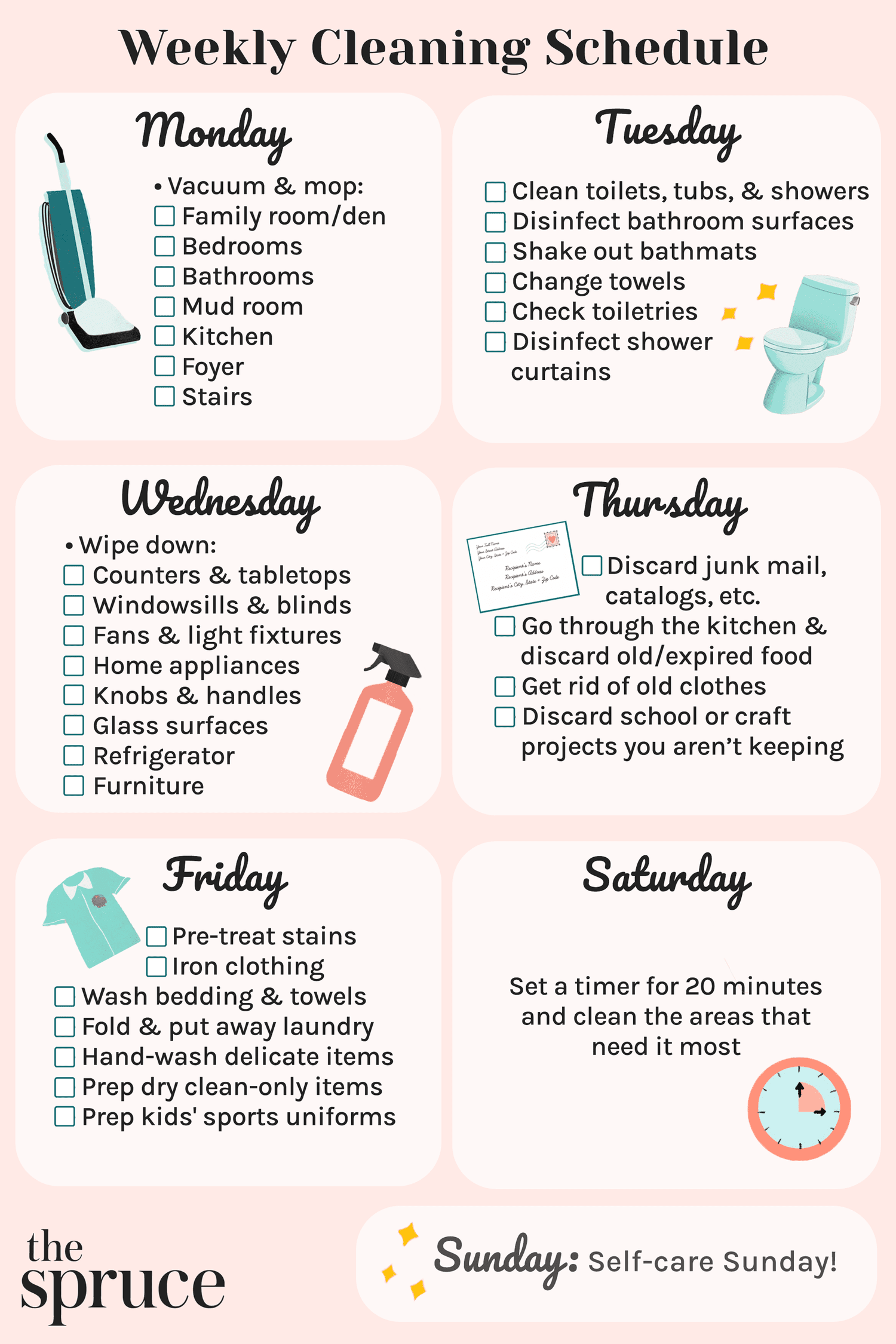
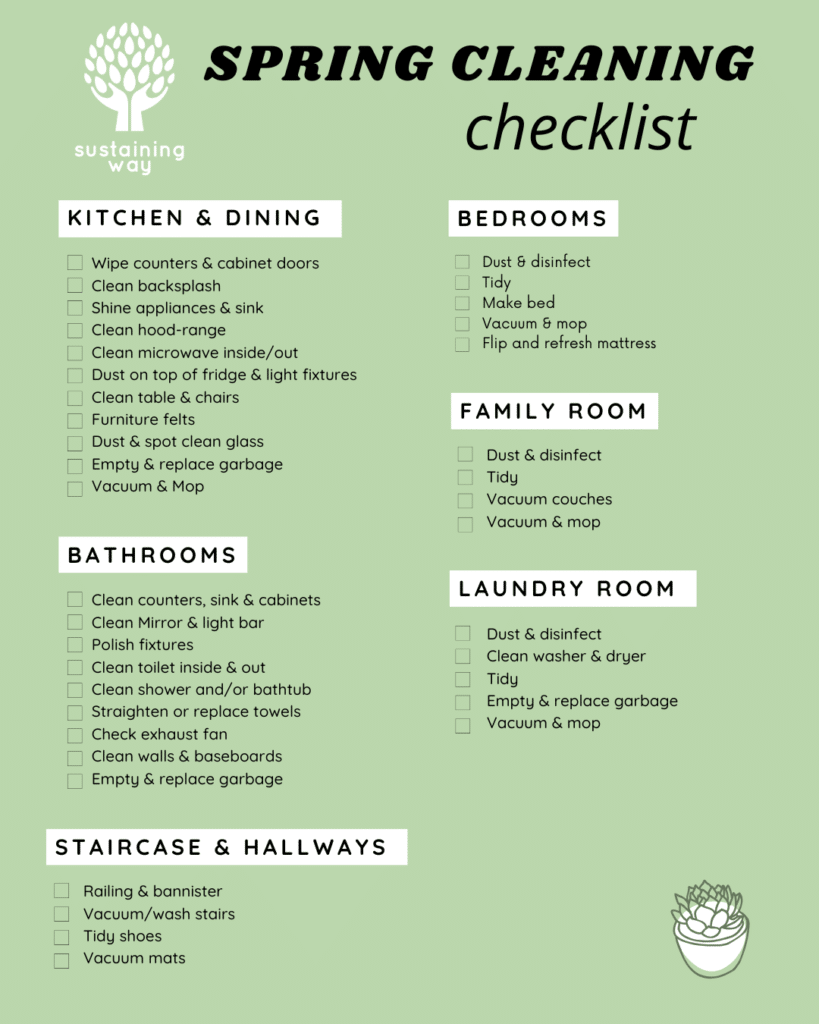
Resources like the eufy home cleaning checklist provide a great starting point. These checklists typically cover tasks such as dusting, vacuuming, mopping, bathroom cleaning, and kitchen cleaning. Smart appliances can then be integrated into this checklist, automating tasks like vacuuming and mopping.
For example, you might schedule your robot vacuum to run daily, while still manually cleaning bathrooms and kitchens on a weekly basis. It’s about finding the right balance between automation and manual effort. The checklist ensures that no areas are overlooked, while the robot handles the repetitive tasks.
The key is to view these tools as complementary, rather than replacements. They free up your time and energy, allowing you to focus on other important tasks. A smart home cleaning system, combined with a well-defined checklist, can help you maintain a consistently clean and healthy home.
Often Overlooked Cleaning Spots
- Light Switches & Plates - These high-touch surfaces accumulate oils and germs. Regular disinfection is crucial.
- Doorknobs & Handles - Similar to light switches, doorknobs are frequently touched and harbor bacteria. Daily wiping is recommended.
- Remote Controls - Often dropped and handled while eating, remotes are breeding grounds for crumbs and germs. Disinfect regularly with alcohol wipes.
- Kitchen Appliance Handles - Refrigerator, oven, and dishwasher handles see constant use. Wipe down with a multi-surface cleaner after each use.
- Bathroom Trash Cans - Even with a liner, trash cans accumulate residue and odors. Wash with disinfectant cleaner and allow to dry completely.
- Keyboard & Mouse - Keyboards collect dust, crumbs, and bacteria from hands. Use compressed air and a disinfectant wipe for cleaning.
- Phone Screens & Cases - Our phones go everywhere with us, picking up germs along the way. Clean regularly with a microfiber cloth and screen cleaner.
Beyond the Hype: What to Consider Before Buying
Despite all the excitement surrounding smart home cleaning, it’s important to approach these purchases with a critical eye. Price points can vary significantly, with high-end models like the eufy X10 Pro Omni costing considerably more than basic robot vacuums. Consider your budget and cleaning needs carefully.
Maintenance requirements are another important factor. While these robots automate much of the cleaning process, they still require regular emptying and occasional maintenance. The complexity of the maintenance can vary depending on the model. Some require more frequent cleaning of sensors and brushes than others.
Data privacy is also a concern. These robots collect data about your home, including its layout and your cleaning habits. Understand the manufacturer’s data privacy policies and ensure that your data is being handled responsibly. Furthermore, consider the potential for software updates and how long the manufacturer will continue to support the device.
It’s also important to remember that these robots aren’t perfect. They may struggle with certain types of flooring or obstacles. Read reviews carefully and consider your specific home environment before making a purchase. A little research can go a long way in ensuring that you choose the right smart cleaning solution for your needs.

No comments yet. Be the first to share your thoughts!