

Spring cleaning basics
A deep clean makes a house feel manageable again. Since we're spending more time at home lately, the dust and clutter pile up faster than they used to. This year is less about tradition and more about making the space actually work for your daily routine.
The idea of "deep cleaning’ can feel overwhelming, especially when time is already stretched thin. It’s easy to get caught up in the idea of spending an entire weekend scrubbing, but that"s not always realistic. The key is to break it down into manageable tasks, focusing on one room or even one area at a time. We'll walk through a room-by-room guide to help you tackle the mess.
You don't need a perfect house, just one that doesn't stress you out. Getting the air cleaner and the surfaces clear usually helps with focus. We can start with the rooms that see the most traffic.

Kitchen appliances and surfaces
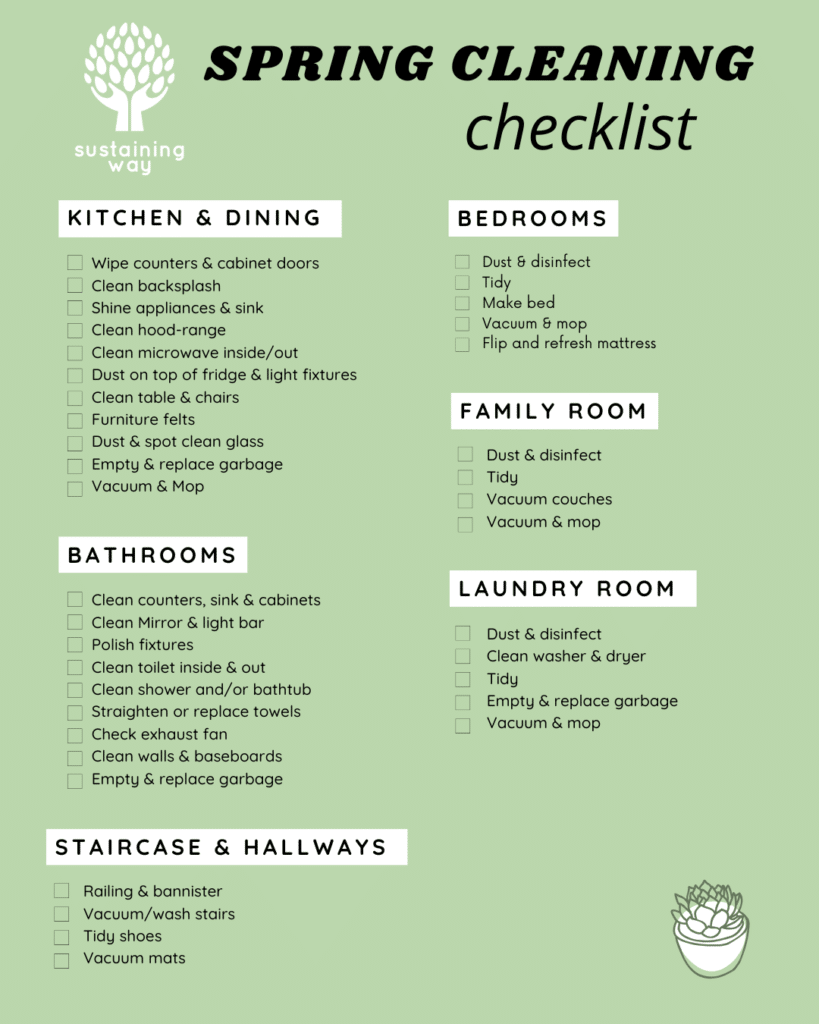
The kitchen is often the heart of the home, but it can also be one of the dirtiest. A thorough kitchen cleaning goes beyond wiping down counters. It requires attention to detail and a systematic approach. Starting with the oven, consider whether your model has a self-clean cycle. If so, follow the manufacturer’s instructions carefully—they often involve high temperatures and some fumes.
If you prefer a natural approach, a paste of baking soda and water can work wonders. Apply it to the interior of the oven, let it sit overnight, and then scrub away the grime. For the refrigerator, start by removing all the food and discarding anything expired. A good rule of thumb is if you’re questioning whether something is still good, it’s probably time to toss it.
Check your food storage while the fridge is empty. Use airtight containers and mark the dates on them so you aren't guessing later. Wipe the shelves with warm soap and water. This is also the time to descale the coffee maker with vinegar and dump the crumbs out of the toaster.
Countertops require different care depending on the material. Granite and quartz are relatively easy to clean with mild soap and water, but avoid harsh chemicals. Laminate surfaces are more susceptible to scratches, so use a gentle cleaner and a soft cloth. Sinks and backsplashes should be scrubbed regularly to prevent buildup. A paste of baking soda and water can be effective for stubborn stains.
- Oven: Scrub the interior with a baking soda paste or run the self-clean cycle if you don't mind the heat.
- Refrigerator: Discard expired food, wipe down shelves.
- Coffee Maker: Descale with vinegar and water.
- Toaster: Empty crumb tray regularly.
- Countertops: Clean based on material (granite, quartz, laminate).
Bathroom Blitz: Mold, Mildew & More
Bathrooms present unique cleaning challenges due to moisture and humidity. Mold and mildew are common culprits, and addressing them promptly is crucial for both cleanliness and health. Safe removal is key. A solution of bleach and water (1 part bleach to 10 parts water) can be effective, but always wear gloves and ensure adequate ventilation. Never mix bleach with other cleaning products, as this can create dangerous fumes.
For preventative measures, improve ventilation by opening a window or using an exhaust fan during and after showers. Cleaning grout can be a tedious task, but it makes a significant difference. A grout brush and a paste of baking soda and water are your best friends. For stubborn stains, consider a commercial grout cleaner. Descaling showerheads and faucets is also important.
Mineral buildup can reduce water pressure and create unsightly deposits. Soak the showerhead and faucet aerator in vinegar overnight to dissolve the buildup. Disinfecting toilets is a non-negotiable part of bathroom cleaning. Use a toilet bowl cleaner and scrub thoroughly, paying attention to the areas under the rim. Remember, good ventilation is paramount in the bathroom—it not only helps prevent mold and mildew but also improves air quality.
Living Areas: Dusting, Floors & Fabrics
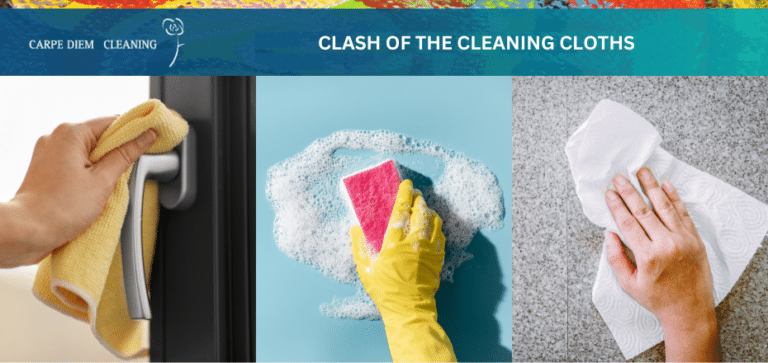
Living rooms and dining rooms are high-traffic areas that require regular attention. Dusting is a foundational step. Microfiber cloths are excellent for trapping dust, and using a furniture polish can add shine and protection. Different surfaces require different approaches—wood furniture benefits from polish, while glass and metal can be cleaned with a glass cleaner.
Floor cleaning depends on the type of flooring. Hardwood floors should be swept or vacuumed regularly and then mopped with a hardwood floor cleaner. Avoid excessive water, as it can damage the wood. Carpet and rugs require vacuuming at least once a week, and deep cleaning with a carpet cleaner is recommended every six to twelve months. For pet owners, a vacuum with a HEPA filter is essential.
Upholstery care varies depending on the fabric type. Check the manufacturer's instructions for specific cleaning recommendations. In general, vacuum upholstery regularly to remove dust and debris. Spot clean stains immediately with a mild detergent and water. Window treatments, such as curtains and blinds, should also be cleaned. Curtains can often be machine washed, while blinds may require dusting or wiping down with a damp cloth.
Pet hair and odors can be a challenge. Regularly vacuuming and using a pet odor eliminator can help. Consider using furniture covers to protect upholstery. Cleaning electronics, such as TVs and stereos, requires a gentle touch. Use a microfiber cloth and a screen cleaner to avoid damaging the screen.
Bedroom Refresh: Linens & Closets
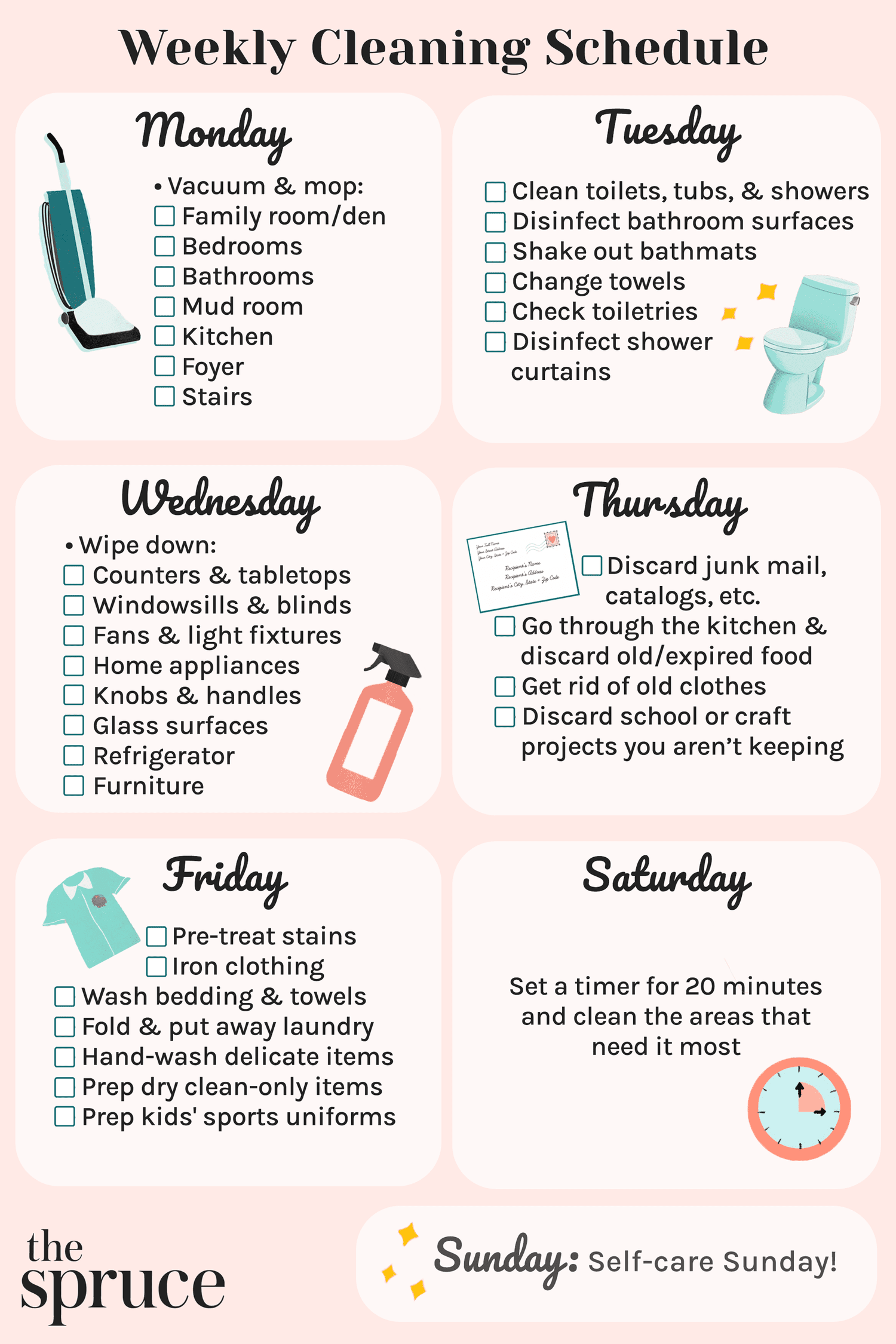
Bedrooms are often neglected during cleaning routines, but they deserve just as much attention. Washing bedding regularly is crucial for hygiene and comfort. Sheets should be washed weekly, while comforters and pillows should be washed every few months. Check the care labels for specific washing instructions. Cleaning mattresses can also improve sleep quality.
Vacuum the mattress to remove dust mites and allergens. Consider using a mattress protector to prevent stains and prolong the life of the mattress. Organizing closets is a great way to declutter and create a more relaxing space. Donate or discard items you no longer use or need. Utilize storage solutions, such as shelves, bins, and hanging organizers.
Dusting furniture and cleaning mirrors and windows complete the bedroom refresh. A clean and organized bedroom promotes a sense of calm and relaxation, contributing to a better night’s sleep. Creating a consistent cleaning schedule will help you maintain this space.
Closet Organization Essentials
- Space-Saving Hangers - Velvet hangers maximize closet space and prevent clothes from slipping. Brands like Utopia Home offer affordable sets.
- Shelf Dividers - These help keep stacks of clothes neat and prevent them from toppling over. Look for options from brands like STORi.
- Storage Bins - Fabric or plastic bins are ideal for storing out-of-season clothing, accessories, or linens. The Container Store offers a wide variety.
- Shoe Organizers - Over-the-door or freestanding shoe racks keep shoes tidy and off the floor. SimpleHouseware offers popular over-the-door options.
- Hanging Sweater Organizers - Specifically designed for sweaters, these organizers help maintain shape and save shelf space. MISSLO offers a variety of hanging organizers.
- Accessory Organizers - Keep belts, scarves, and ties organized with dedicated organizers. SONGMICS offers multi-tiered accessory organizers.
- Drawer Dividers - These are perfect for organizing smaller items like socks, underwear, and hosiery within drawers. mDesign offers adjustable drawer dividers.
Outdoor Spaces: Patios & Entryways
Don’t limit your spring cleaning to the indoors! Outdoor spaces, such as patios and entryways, also benefit from a thorough refresh. Power washing can be an effective way to clean patios, decks, and siding, but use caution. Follow the manufacturer’s instructions and avoid damaging the surface. Start with a lower pressure setting and gradually increase it as needed.
Sweeping and scrubbing can also remove dirt and debris. Cleaning outdoor furniture is essential for extending its lifespan. Wipe down furniture with a mild soap and water solution. Remove cobwebs and debris from corners and crevices. Cleaning windows and doors improves curb appeal and allows more natural light to enter your home.
If you have gutters, cleaning them is important to prevent water damage. Remove leaves and debris to ensure proper drainage. Safety is paramount when working at heights, so use a sturdy ladder and follow all safety precautions. A clean entryway creates a welcoming first impression for guests.
Outdoor Cleaning Method Comparison
| Surface | Power Washing | Scrubbing with a Brush | Garden Hose |
|---|---|---|---|
| Patio (Concrete) | High Effectiveness, Moderate Effort, Moderate Cost | Moderate Effectiveness, High Effort, Low Cost | Low Effectiveness, Low Effort, Very Low Cost |
| Deck (Wood) | Moderate Effectiveness, Moderate Effort, Moderate Cost (requires careful pressure settings to avoid damage) | Moderate Effectiveness, High Effort, Low Cost | Low Effectiveness, Low Effort, Very Low Cost (may not remove ingrained dirt) |
| Outdoor Furniture (Plastic/Resin) | High Effectiveness, Low Effort, Moderate Cost | Moderate Effectiveness, Moderate Effort, Low Cost | Moderate Effectiveness, Low Effort, Very Low Cost |
| Entryway (Brick) | High Effectiveness, Moderate Effort, Moderate Cost | Moderate Effectiveness, High Effort, Low Cost | Low Effectiveness, Low Effort, Very Low Cost (best for loose debris) |
| Deck (Composite) | High Effectiveness, Moderate Effort, Moderate Cost (use appropriate nozzle and pressure) | Moderate Effectiveness, High Effort, Low Cost | Low Effectiveness, Low Effort, Very Low Cost |
| Patio (Pavers) | High Effectiveness, Moderate Effort, Moderate Cost | Moderate Effectiveness, High Effort, Low Cost | Low Effectiveness, Low Effort, Very Low Cost (may not remove weeds between pavers) |
Illustrative comparison based on the article research brief. Verify current pricing, limits, and product details in the official docs before relying on it.

No comments yet. Be the first to share your thoughts!