

AI's cleaning leap
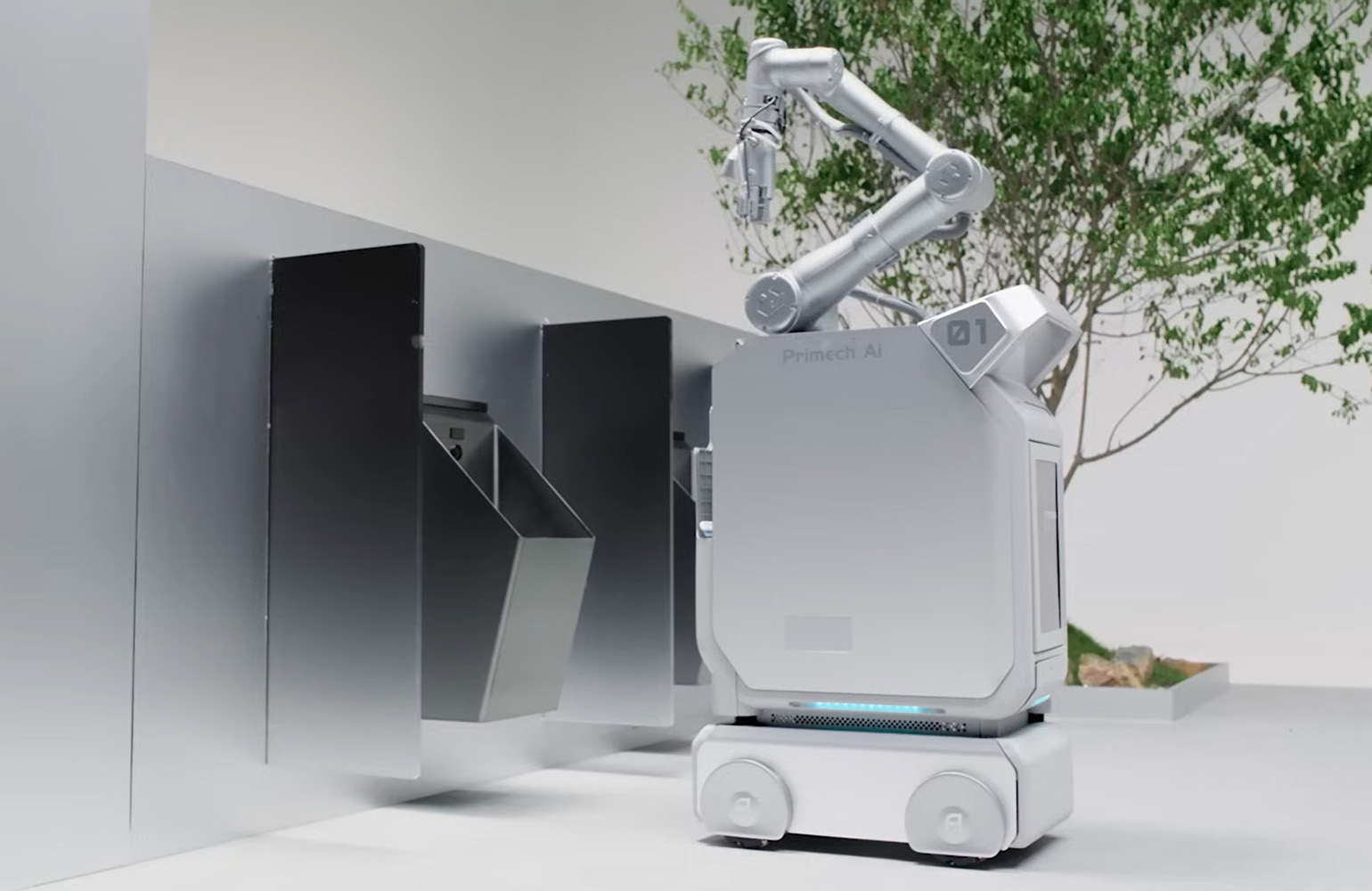
For years, the 'smart home' and cleaning have largely meant robot vacuums. They’re useful, sure, but let’s be honest – they’re often more of a novelty than a complete solution. They bump into furniture, struggle with corners, and definitely can’t tackle everything. But things are changing, and changing fast. We’re entering a new era where artificial intelligence is poised to revolutionize how we clean, moving beyond simple automation to genuinely intelligent cleaning systems.
2026 isn't some distant future date; it's the point where these advancements will really start to become commonplace. The limitations of current smart home cleaning devices are becoming increasingly clear. They lack the adaptability to handle varied surfaces, complex messes, or truly understand the nuances of a home’s cleaning needs. The buzz around cleaning hacks is constant – people are always looking for better, faster ways to get things done – and AI is the tool that will elevate those hacks to a whole new level.
At the heart of this shift are three key technologies: computer vision, which allows devices to "see’ and understand their surroundings; machine learning, enabling them to improve over time based on data; and natural language processing, allowing us to interact with these systems using plain language. These aren’t just buzzwords; they’re the building blocks of a truly intelligent cleaning experience. We’re moving past simply scheduling a robot to vacuum; we"re talking about AI that can identify a spill, determine the best cleaning method, and execute it flawlessly.
The AI cleaning arsenal
The scope of AI in cleaning is expanding rapidly. It's no longer just about floors; it's about tackling a wide range of cleaning tasks with precision and efficiency. Think of it Here are some areas where AI is already making a significant impact:
First, surface stain identification and treatment is becoming remarkably sophisticated. AI can now differentiate between coffee, wine, grease, and other common stains, then select the appropriate cleaning solution and method. Some systems even adjust the cleaning intensity based on the stain’s age and the surface material. This avoids the guesswork – and potential damage – that often comes with traditional cleaning.
Next, we’re seeing appliance self-cleaning taken to the next level. Smart ovens, dishwashers, and washing machines are now using sensor data and machine learning to optimize their cleaning cycles. For example, a dishwasher might detect heavily soiled dishes and automatically adjust the water temperature and detergent dosage. This not only improves cleaning performance but also conserves water and energy.
AI is also revolutionizing air purification and allergen detection. Advanced air purifiers can now identify specific allergens – pollen, dust mites, pet dander – and adjust their filtration settings accordingly. Some systems even provide real-time air quality reports and personalized recommendations. Finally, mold and mildew prediction is emerging as a preventative measure. Sensors monitor humidity and temperature changes, alerting you to potential problem areas before mold can take hold.
Smart Surfaces: Cleaning That Happens Itself
Imagine a world where surfaces actively repel dirt and grime, minimizing the need for cleaning altogether. That future is closer than you think, thanks to the development of self-cleaning materials. These materials utilize technologies like hydrophobic coatings – which repel water and oil – and photocatalytic coatings – which use UV light to break down organic matter.
AI plays a crucial role in managing these smart surfaces. For photocatalytic coatings, AI can optimize UV exposure by controlling smart blinds or adjusting lighting schedules. For hydrophobic surfaces, AI can monitor humidity levels and adjust ventilation to maximize their effectiveness. Potential applications are vast: self-cleaning windows, countertops, bathroom tiles, and even fabrics.
Currently, the biggest barrier to widespread adoption is cost. These materials are often expensive to produce and apply. However, as manufacturing processes improve and demand increases, prices are expected to come down. It's also important to note that the effectiveness of these surfaces can vary depending on the environment and the type of soiling. They aren’t a complete replacement for traditional cleaning, but they can significantly reduce the frequency and intensity of cleaning required.
Voice Control & Personalized Cleaning Schedules
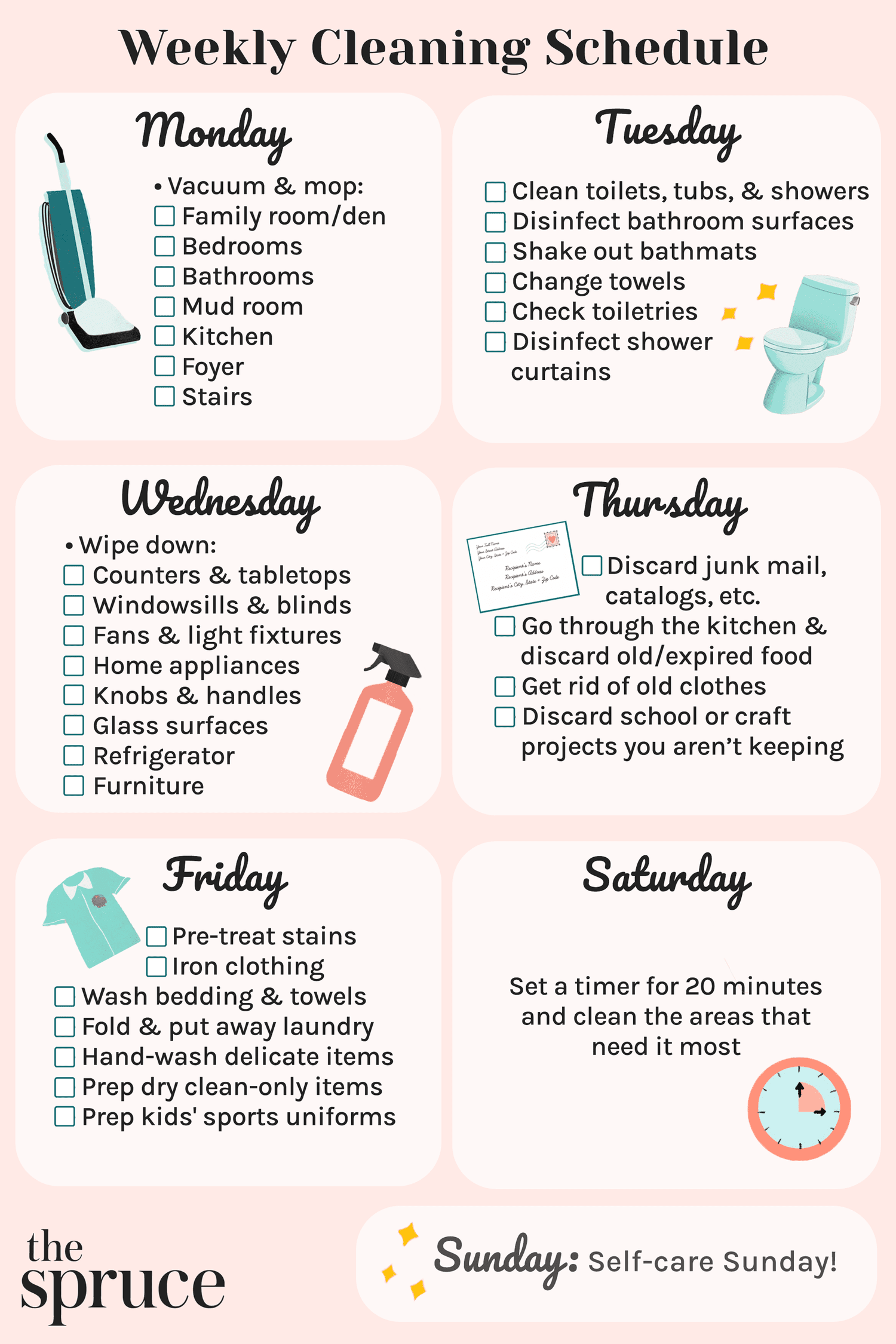
Voice assistants like Alexa, Google Assistant, and Siri are becoming the central hub for controlling our smart homes, and cleaning is no exception. But it’s not just about issuing simple commands like “clean the kitchen”. The real power lies in AI’s ability to learn our preferences and create personalized cleaning schedules. This is where natural language processing really shines.
Instead of a generic command, you can say something like, “clean the kitchen after dinner, focusing on the stovetop.” The AI understands the context, the specific area, and the priority. This level of granularity wasn’t possible just a few years ago. Furthermore, smart cleaning systems can integrate with other smart home devices. For example, the lights might automatically turn on when cleaning begins, or the security system might disarm a specific zone.
One of the biggest challenges – and opportunities – is handling unexpected messes. What happens when a child spills juice on the rug? Ideally, the AI should be able to detect the spill, identify the liquid, and initiate the appropriate cleaning response, even without a specific command. This requires advanced sensor technology and sophisticated algorithms, but it’s a goal that researchers are actively pursuing. It’s about moving beyond pre-programmed routines to truly adaptive cleaning.
The Data Privacy Question
With all this data collection, a valid concern arises: privacy. AI-powered cleaning devices are essentially mapping our homes and learning our habits. They know when we’re home, what messes we make, and even what cleaning products we use. It’s crucial to understand what data is being collected, how it’s being used, and what safeguards are in place to protect our privacy.
Reputable brands are prioritizing data encryption and anonymization techniques. Data encryption ensures that your information is unreadable to unauthorized parties, while anonymization removes personally identifiable information. Look for companies with clear and transparent privacy policies that explain how your data is handled. It’s also important to consider the security of the devices themselves – are they protected against hacking?
The reality is, some data collection is necessary for these devices to function effectively. But users should have control over what data is shared and how it’s used. The ability to opt-out of data collection, or to access and delete your data, is becoming increasingly important. Choosing brands that demonstrate a commitment to data privacy is a key step in embracing the future of smart home cleaning.
Cleaning Product Optimization: AI's Chemical Expertise
AI isn't just changing how we clean; it's also changing what we clean with. Researchers are using AI to formulate more effective and sustainable cleaning products. By analyzing vast datasets of chemical compounds, AI can predict their cleaning performance, environmental impact, and potential toxicity.
This allows for the development of targeted cleaning solutions that are specifically designed to tackle certain types of messes, while minimizing harm to the environment. We could see a future where harsh chemicals are replaced with gentler, more biodegradable alternatives. AI-powered dispensers could automatically mix the right amount of cleaning solution for each task, reducing waste and ensuring optimal performance.
This approach has the potential to revolutionize the cleaning industry, leading to products that are both more effective and more responsible. It also addresses concerns about the health risks associated with traditional cleaning products, such as skin irritation and respiratory problems. The ability to tailor cleaning solutions to specific needs will be a game-changer for both consumers and the environment.
Future Cleaning Standouts: What to Watch For
Looking ahead to 2026 and beyond, the possibilities for AI-powered cleaning are truly exciting. Several emerging technologies have the potential to transform the way we maintain our homes. One of the most intriguing is nanobots for targeted cleaning. These microscopic robots could be deployed to remove dirt and grime at the molecular level, reaching areas that are inaccessible to traditional cleaning methods.
Another promising area is AI-powered odor elimination. Current air fresheners simply mask odors; these systems would identify and neutralize odors at their source, providing a more lasting and effective solution. Imagine a system that can pinpoint the source of a cooking smell or pet odor and eliminate it completely. Finally, predictive maintenance for cleaning equipment will become increasingly common. AI will monitor the performance of our cleaning devices – robot vacuums, washing machines, etc. – and schedule maintenance before they break down.
These advancements aren’t just about making cleaning easier; they’re about creating healthier, more sustainable homes. AI has the potential to reduce our reliance on harsh chemicals, conserve water and energy, and improve our overall quality of life. The future of cleaning is intelligent, efficient, and – thankfully – less work for us.

No comments yet. Be the first to share your thoughts!