

Moving beyond vinegar and baking soda
Most green cleaning advice starts and stops with vinegar and baking soda. While those work for light dusting, they aren't enough for a deep clean. I want a house that's actually clean, not just one that smells like a salad, and we can get there without using chemicals that require a hazmat suit.
The truth is, conventional cleaning products can pose significant health risks. The Environmental Protection Agency has found that levels of volatile organic compounds – pollutants emitted from many cleaners – are often 2 to 5 times higher indoors than outdoors. Considering we spend roughly 90 percent of our time inside, according to research from the University of Georgia, this is a serious concern.
Finding alternatives that actually work is the hard part. I've looked at the ingredients that tackle grime and germs without the side effects. There is a lot available now that goes way beyond basic DIY recipes, using actual chemistry to get the job done.
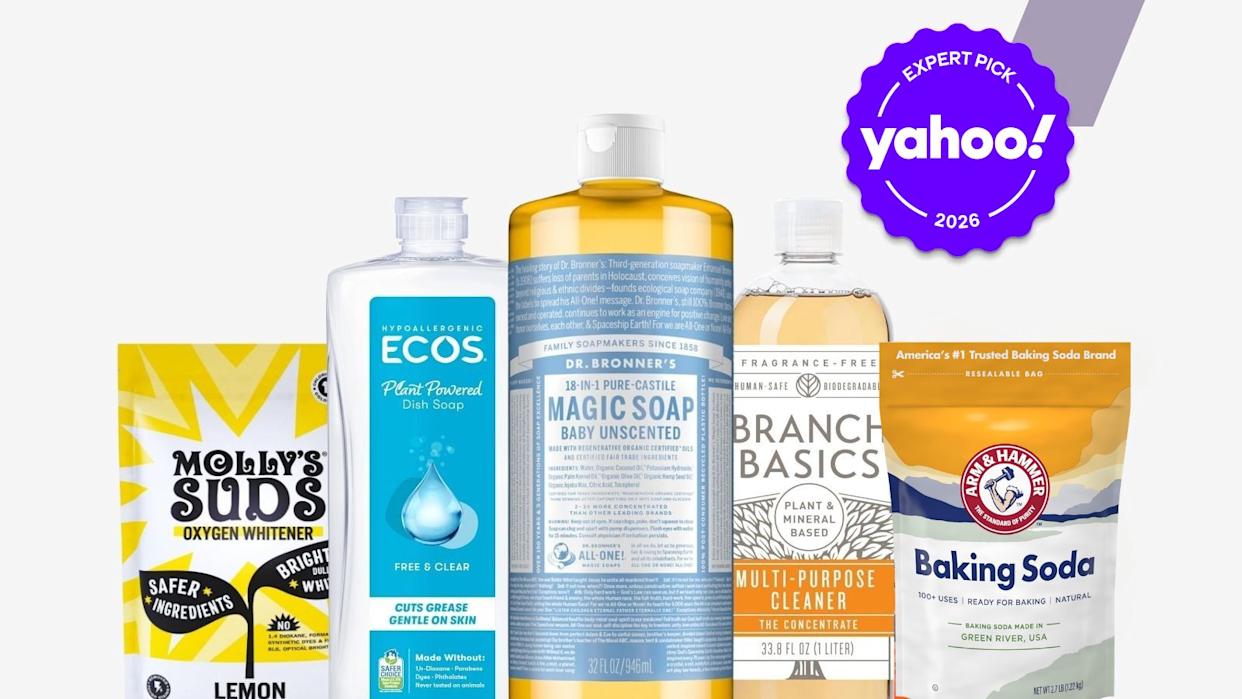
How to read eco-labels without getting fooled
Navigating the world of 'green' cleaning products can feel like deciphering a secret code. Labels proclaiming "eco-friendly’ or ‘natural’ are everywhere, but they don"t all mean the same thing. The EPA cautions consumers to be careful, as not all eco-labels are created equal.
Third-party certifications are your best bet. Look for labels like EcoLogo, Green Seal, and Safer Choice. EcoLogo verifies products across their entire lifecycle, assessing environmental impact from manufacturing to disposal. Green Seal focuses on performance alongside environmental attributes. Safer Choice, backed by the EPA, means a product contains safer chemical ingredients.
However, even these labels aren't foolproof. They represent a baseline of environmental responsibility, but they don’t guarantee a product is perfect. It’s crucial to do your research and understand what each label specifically verifies. Be aware of "greenwashing" – when companies exaggerate or falsely claim environmental benefits. A little skepticism goes a long way.
Comparison of Common Eco-Labels for Cleaning Products (2026)
| Eco-Label | What it Certifies | Standards Used | Transparency | Overall Trustworthiness |
|---|---|---|---|---|
| EcoLogo (UL) | All-purpose cleaners, laundry detergents, hard surface cleaners, and more. | Life Cycle Assessment (LCA) focusing on environmental impact throughout the product's life. | Publicly available standards, but detailed data can be complex to interpret. | High |
| Green Seal | Cleaning products, all-purpose cleaners, dishwashing liquids, laundry detergents. | Focuses on product performance, human health, and environmental impact; rigorous testing protocols. | Clear standards and publicly available information, including specific criteria. | High |
| Safer Choice (EPA) | Cleaning products containing safer chemical ingredients for human health and the environment. | Screening of ingredients based on EPA's hazard criteria; doesn't assess overall product lifecycle. | Ingredient lists are publicly available, but doesn't guarantee overall environmental friendliness. | Medium |
| USDA Organic | Cleaning products with organically produced ingredients. | Certification of agricultural ingredients; focuses on how ingredients are grown and processed. | Strict standards for organic production, but doesn't cover the entire product formulation. | Medium |
| EU Ecolabel | Hard surface cleaners, laundry detergents, dishwashing products, and more (primarily European products). | Comprehensive criteria covering environmental impact throughout the product's life cycle. | Detailed criteria and publicly available information, but primarily focused on the European market. | High |
| Design for the Environment (DfE) | Cleaning products, formulated to be safer for human health and the environment. | Focuses on reducing the environmental and health impacts of chemical products. | Transparency is good, as the EPA provides information on the program and certified products. | Medium |
Qualitative comparison based on the article research brief. Confirm current product details in the official docs before making implementation choices.
Plant-based solvents that actually cut grease
Forget the idea that natural cleaning means sacrificing power. Plant-based solvents are surprisingly effective, and the science backs it up. Citric acid, derived from citrus fruits, is a fantastic descaler and disinfectant. It’s excellent for tackling hard water stains and soap scum.
Lactic acid, produced through the fermentation of corn, is another powerhouse. It effectively cuts through grease and grime, and even possesses antibacterial properties. Plant-derived surfactants, molecules that reduce surface tension, lift dirt and oil away from surfaces, similar to synthetic detergents but with a lower environmental impact.
People think natural ingredients are too weak to compete with bleach. They don't have that immediate, eye-stinging burn, but they are effective. These acids dissolve dirt rather than just masking it. It's better for your lungs and your countertops.
For example, a solution of citric acid and water can replace harsh bathroom cleaners, while a castile soap-based formula with a plant-derived surfactant can tackle everyday kitchen messes. The key is understanding how these ingredients work and applying them correctly.
A room-by-room approach
Let's get practical. Here’s how to approach eco-cleaning, room by room. In the kitchen, citric acid is your friend for descaling kettles and cleaning coffee makers. Castile soap diluted in water works wonders on countertops and floors. For stubborn grease, a paste of baking soda and water can be effective, but use gently to avoid scratching surfaces.
The bathroom benefits from the disinfecting power of citric acid for tackling mildew and hard water stains. A mixture of castile soap and tea tree oil creates a natural, effective toilet bowl cleaner. Avoid abrasive cleaners on delicate surfaces like porcelain.
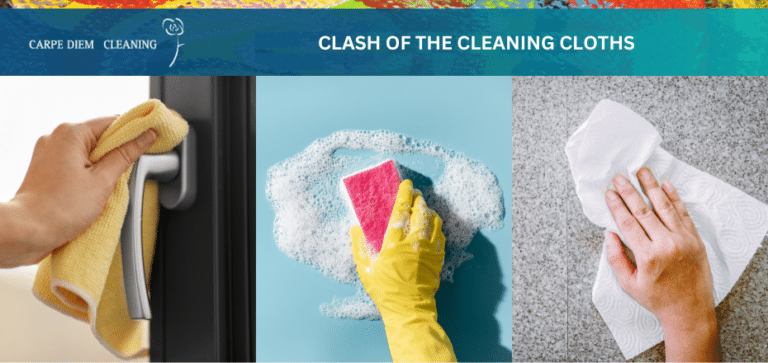
For the living room and bedroom, a simple solution of diluted castile soap and water is often all you need for dusting and floor cleaning. Essential oils like lavender or lemon can add a pleasant scent and offer additional antibacterial benefits. Microfiber cloths are essential for trapping dust and dirt effectively.
Always test any cleaning solution in an inconspicuous area first, especially on delicate surfaces. Dilution ratios are important – too concentrated, and you risk damage; too diluted, and you lose effectiveness. Safety first: wear gloves when handling cleaning solutions, even natural ones, and ensure adequate ventilation.
Seven products worth buying in 2026
Finding readily available, effective eco-friendly products is easier than ever. Here are seven standouts as of 2026, based on performance and customer reviews:
Blueland Clean Up Kit: This kit, known for its refillable tablets, eliminates plastic waste. The all-purpose cleaner and glass + mirror cleaner tablets are highly rated for their effectiveness, and the company is committed to sustainability. ($12 per refill kit)
Branch Basics Concentrate: A versatile concentrate that can be diluted to create various cleaners, from all-purpose spray to laundry detergent. It’s fragrance-free and safe for sensitive skin. Certified by the EWG. ($59 for the Concentrate)
Common Good Dish Soap: Plant-based and biodegradable, this dish soap cuts through grease effectively without harsh chemicals. Available in refillable aluminum bottles, reducing plastic waste. ($8 per refill)
Attitude Laundry Detergent: A hypoallergenic, plant-based laundry detergent that's effective in cold water. It’s EWG Verified and comes in a recyclable cardboard container. ($15 per 32-load container)
Better Life Toilet Bowl Cleaner: This cleaner uses plant-derived ingredients to tackle toilet bowl stains and odors. It’s septic-safe and cruelty-free. ($8 per bottle)
Puracy Natural Multi-Surface Cleaner: A highly-rated all-purpose cleaner that’s safe for use on various surfaces. It’s plant-based, non-toxic, and biodegradable. ($10 per bottle)
Meliora Cleaning Products All-Purpose Cleaner: A simple, effective cleaner with just a few ingredients. It’s fragrance-free and comes in a minimal, plastic-free packaging. ($16 per bottle)
Featured Products

Plant and mineral-based concentrate · Replaces multiple household cleaners · Fragrance-free and MADE SAFE certified
This versatile concentrate offers a powerful, plant-derived cleaning solution that can replace numerous conventional cleaners, making it an eco-conscious choice for a healthy home.

Plant-powered concentrate · Effective on multiple surfaces · Green Tea & Lime scent
Puracy's plant-powered concentrate delivers effective cleaning for various surfaces with a refreshing natural scent, proving that eco-friendly can also be highly functional.

Multi-purpose cleaning spray · Suitable for glass, countertops, appliances, and upholstery · Unscented formula
Better Life's unscented, multi-surface cleaner tackles a wide range of household messes without harsh chemicals, providing a safe and effective cleaning experience.

All-purpose cleaner · Effective on various surfaces · Plant-derived ingredients
Ecover's all-purpose cleaner utilizes plant-derived ingredients to effectively clean various surfaces, offering a reliable and environmentally conscious cleaning option.

Multi-surface everyday cleaner · Lemon Verbena scent · ECOLOGO certified
Mrs. Meyer's offers a pleasant-smelling, multi-surface cleaner that is ECOLOGO certified, providing an accessible and effective natural option for daily cleaning tasks.
As an Amazon Associate I earn from qualifying purchases. Prices may vary.
Common questions about green cleaning
It’s natural to have questions when switching to eco-friendly cleaning. One common concern is cost. While some eco-friendly products can be more expensive upfront, concentrated formulas and DIY options can often save money in the long run. Plus, you're investing in your health and the environment.
Effectiveness on tough stains is another worry. Plant-based cleaners may require a bit more elbow grease or a longer soaking time than conventional cleaners, but they can be surprisingly effective, especially when used correctly. Borax and baking soda are excellent additions for tackling stubborn messes.
Availability is improving constantly. Major retailers and online marketplaces now carry a wide range of eco-friendly cleaning products. Look for certifications to help you identify trustworthy brands. As for packaging, many companies are now offering refills, concentrated formulas, and plastic-free options, further reducing their environmental impact.
Are eco-friendly cleaners safe for pets and children? Generally, yes, they are safer than conventional cleaners, but it’s still important to store them out of reach and follow label instructions. Always prioritize ventilation when cleaning. Ultimately, choosing eco-friendly cleaning isn't just about a cleaner home; it’s about a healthier one, too.
No comments yet. Be the first to share your thoughts!