

The spots you're probably missing
I used to think my kitchen was clean until I saw a 2026 teardown by Clean That Up. It turns out most of us just move dirt around. We hit the counters and floors but miss the spots where grease actually lives. If you haven't looked at your range hood filter or the top of your fridge lately, you're probably living with a layer of grime you didn't know existed.
These overlooked areas aren’t just unsightly; they can also be a health hazard. Grease buildup on range hoods can become a fire risk, while hidden grime around the sink drain fosters bacterial growth. It’s not about being a perfect housekeeper, but about understanding where the dirt hides so you can address it effectively. Ignoring these spots doesn't make them disappear, it just allows the mess to worsen over time.
Some of the biggest culprits include the tops of cabinets (dust and grease collect here!), inside the dishwasher gasket (a breeding ground for mold and mildew), and around the sink drain (food particles and soap scum create a perfect storm for bacteria). Don’t forget the small appliances themselves – the crumb tray of your toaster, the drip tray of your coffee maker, and the exterior of your refrigerator all need regular attention. These aren't glamorous tasks, but they make a real difference.
Moving away from disposables
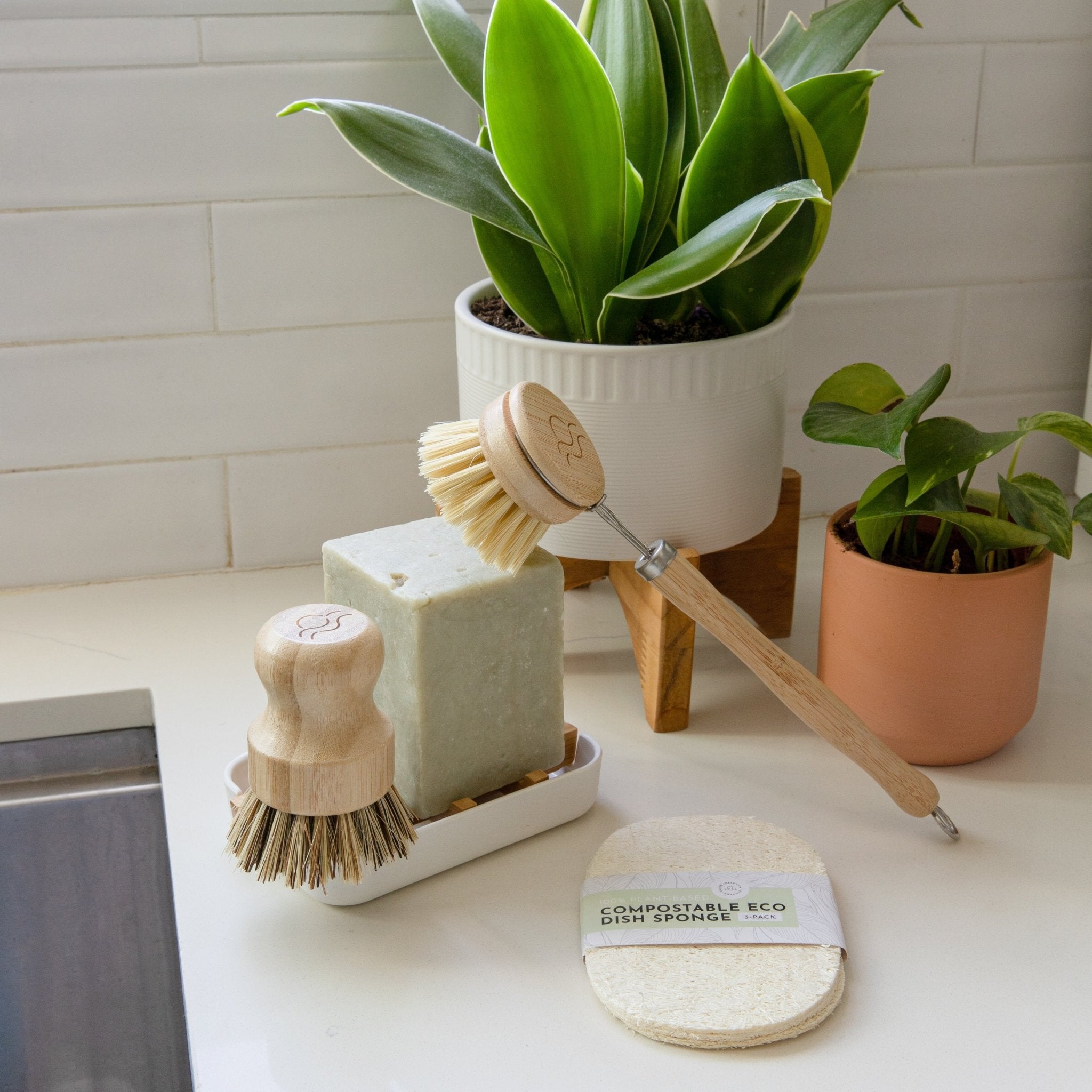
One of the biggest sources of waste in the kitchen is cleaning supplies. Think about all the paper towels, plastic bottles, and disposable wipes we use! Fortunately, making the switch to reusable alternatives is often easier – and cheaper – than you might think. These swaps aren't just good for the environment; they can also save you money in the long run.
A simple starting point is replacing paper towels with washable microfiber cloths. A good set will last for years and can be washed and reused hundreds of times. Next, consider switching from liquid dish soap in plastic bottles to solid dish soap bars. These often come with minimal packaging and last a surprisingly long time. You can also find solid laundry detergents and all-purpose cleaners in bar form.
Beyond that, making your own cleaning solutions is a fantastic way to reduce waste. Using vinegar and citrus peels to create an all-purpose cleaner is both effective and eco-friendly. The initial investment in reusable containers might be slightly higher, but you’ll quickly recoup the cost by avoiding the constant repurchase of disposable products.
- Swap paper towels for washable microfiber cloths.
- Solid dish soap bars instead of liquid in plastic bottles
- Reusable spray bottles for DIY cleaners
- Beeswax wraps instead of plastic wrap
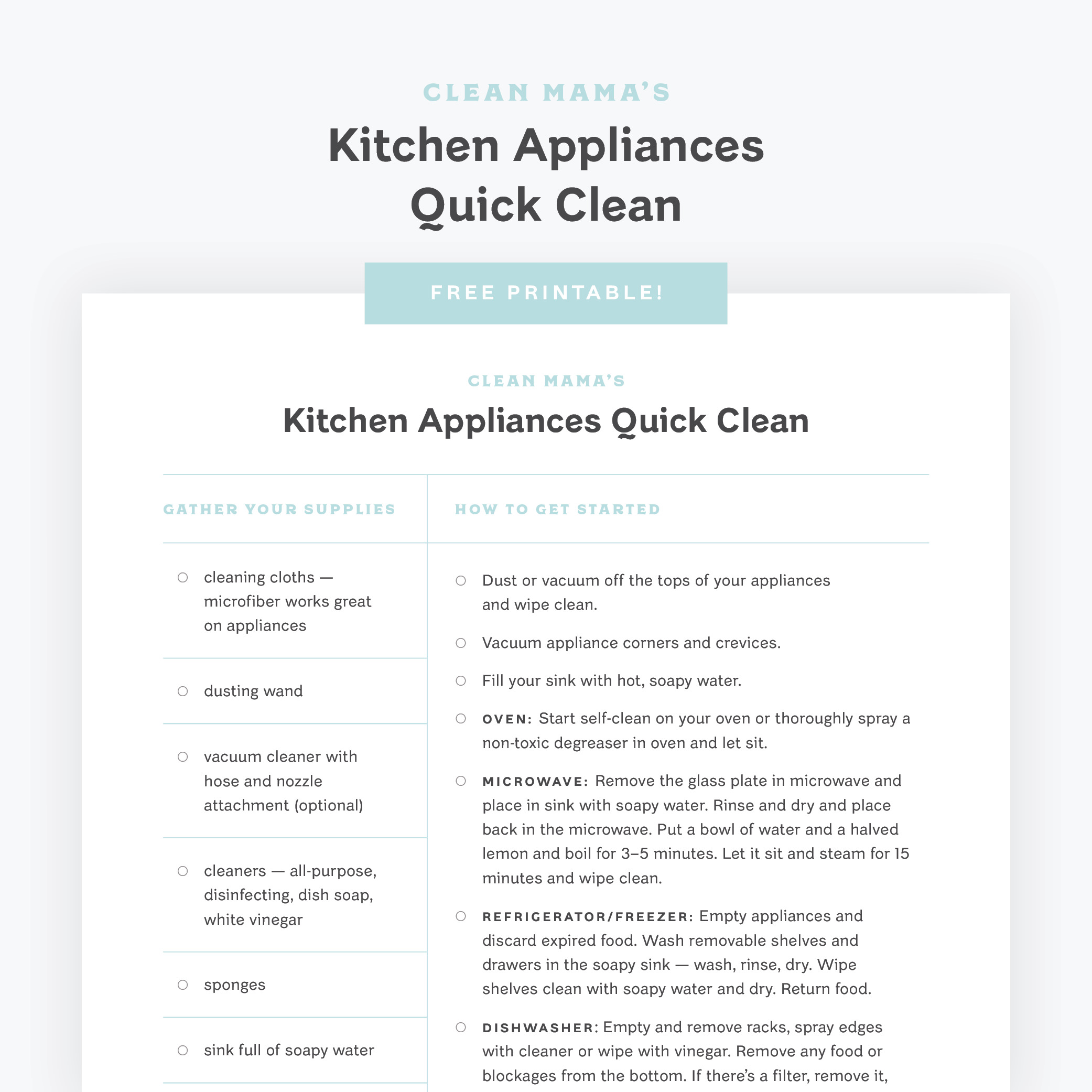
Appliance Cleaning Checklist
- Refrigerator - Wipe down interior shelves and drawers with a solution of equal parts water and white vinegar. Use microfiber cloths to avoid streaks and reduce paper towel waste.
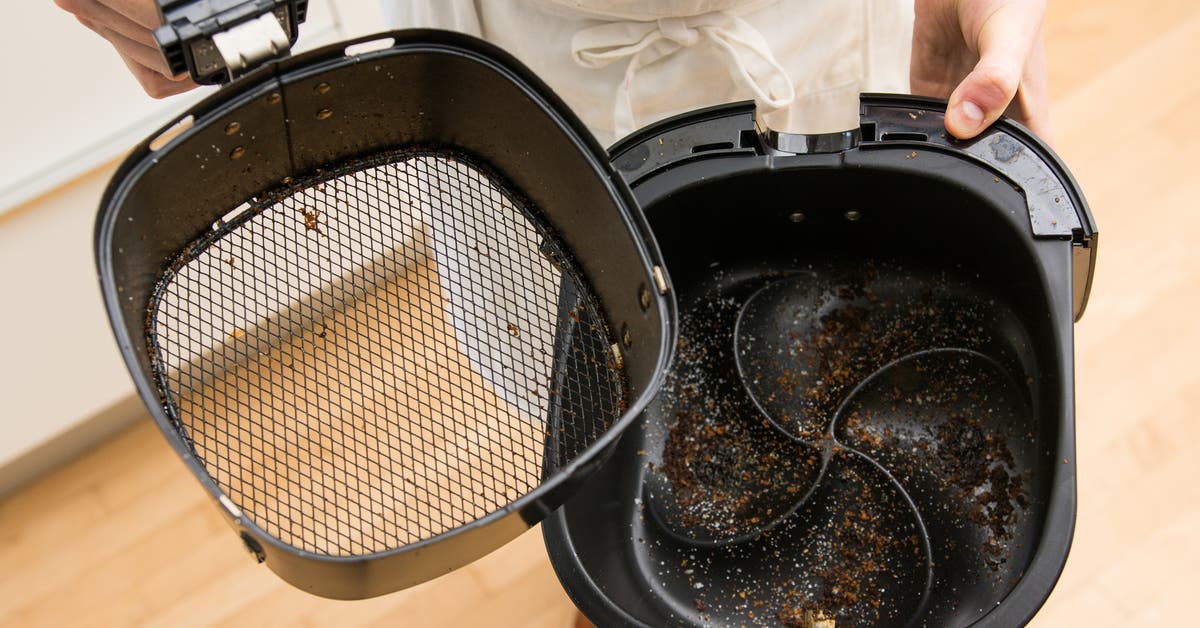
- Dishwasher - Regularly clean the filter with warm water and solid dish soap. Run an empty cycle with two cups of white vinegar in the top rack to remove buildup and odors.
- Oven - Make a paste of baking soda and water, apply to interior surfaces, and let sit overnight. Scrub clean with a damp microfiber cloth.
- Microwave - Steam clean by heating a cup of water with a tablespoon of white vinegar for 5-10 minutes. Wipe down with a microfiber cloth.
- Coffee Maker - Descale monthly by running a brew cycle with equal parts water and white vinegar, followed by two cycles of fresh water.
- Small Appliances (Toasters, Blenders) - Unplug and wipe down exterior surfaces with a solution of water and a few drops of solid dish soap in a reusable spray bottle.
- Garbage Disposal - Freshen with citrus peels (lemon, orange) and baking soda. Avoid harsh chemicals that can harm your compost bin if you compost food scraps.
Vinegar, Baking Soda, and Beyond: DIY Power
The beauty of eco-friendly cleaning lies in the power of simple ingredients. Vinegar, baking soda, lemon juice, and castile soap are all incredibly effective cleaners that have been used for generations. These ingredients are readily available, affordable, and far less harmful to the environment – and your health – than many commercial cleaning products. Understanding why these work is helpful too; baking soda is a mild abrasive, while vinegar’s acidity cuts through grease and grime.
Here are a few recipes to get you started. For an all-purpose cleaner, mix equal parts white vinegar and water in a spray bottle. Add a few drops of your favorite essential oil for a pleasant scent. To make a degreaser, create a paste of baking soda and water. Apply to greasy surfaces, let sit for a few minutes, then scrub and rinse. For a natural oven cleaner, make a paste of baking soda and water, coat the oven interior, let sit overnight, then scrub clean.
Stainless steel can be polished with a mixture of vinegar and olive oil. A word of caution: never mix vinegar with bleach, as this creates toxic fumes. Always test any cleaning solution in an inconspicuous area first to ensure it doesn’t damage the surface. It's also a good idea to label your homemade cleaners clearly to avoid any confusion. Safety first!
Appliance Deep Dives: Eco-Cleaning Methods
Let’s get specific. Each appliance in your kitchen has unique cleaning needs, but you can tackle them all without resorting to harsh chemicals. Start with your refrigerator. Regularly cleaning the coils (usually located on the back or bottom) improves energy efficiency. To remove odors, place an open box of baking soda inside. Wipe down shelves and drawers with a vinegar and water solution.
Your dishwasher benefits from regular filter cleaning – food particles accumulate here and reduce its effectiveness. Run an empty cycle with a cup of white vinegar in the top rack to descale and deodorize. For the oven, the baking soda paste method is a game-changer. It requires some elbow grease, but it’s far gentler than commercial oven cleaners. The microwave can be easily cleaned by steaming it with lemon juice – simply heat a cup of water with lemon slices for a few minutes.
Don't forget your coffee maker! Descaling with vinegar is essential for maintaining its performance and preventing buildup. Run a cycle with equal parts vinegar and water, followed by a few cycles with plain water to rinse. Preventative maintenance is key here. Wipe up spills immediately, and schedule regular cleaning tasks to prevent grime from building up.
Focusing on consistent, smaller cleanings can dramatically reduce the need for intensive deep cleans. Wipe down appliance exteriors after each use, and address spills promptly. A little bit of effort each day goes a long way in keeping your kitchen sparkling and hygienic. Remember, the goal isn't just to remove dirt, but to prevent it from accumulating in the first place.
Stainless Steel & Surfaces: Gentle But Effective
Stainless steel, granite, quartz, and laminate countertops all require different cleaning approaches. For stainless steel, avoid abrasive cleaners that can scratch the surface. Use a microfiber cloth and a gentle cleaner, like dish soap and water, or a vinegar and olive oil mixture. Always wipe in the direction of the grain to prevent streaks. Granite and quartz are relatively durable, but acidic cleaners can etch the surface over time.
Laminate countertops are more susceptible to damage, so avoid harsh chemicals and abrasive scrubbers. A mild dish soap and water solution is usually sufficient. For all surfaces, microfiber cloths are your best friend. They’re soft, absorbent, and won’t leave behind lint or scratches. A common mistake is using abrasive cleaners on stainless steel, which can leave permanent marks.
Protecting your surfaces is just as important as cleaning them. Use cutting boards to avoid scratches, and promptly wipe up spills to prevent stains. Consider applying a sealant to granite and quartz countertops to protect them from stains and etching. Regular cleaning and preventative measures will keep your kitchen looking its best for years to come.
Surface Cleaning Guide
| Surface Type | Recommended Cleaner | Avoid | Notes |
|---|---|---|---|
| Stainless Steel | Warm water and dish soap | Abrasive cleaners, steel wool | Always wipe in the direction of the grain to prevent scratches. |
| Granite | pH-neutral stone cleaner or mild dish soap and water | Vinegar, ammonia, bleach | Granite is porous; seal regularly to prevent staining. Avoid acidic cleaners. |
| Quartz | Mild dish soap and water | Strong alkaline cleaners, abrasive scrubbers | Quartz is non-porous and highly durable, but can be damaged by harsh chemicals. |
| Laminate | Warm water and dish soap | Abrasive cleaners, excessive water | Laminate is susceptible to water damage; wipe up spills immediately. Avoid harsh chemicals that can dull the finish. |
| Glass Cooktops | Ceramic cooktop cleaner or baking soda paste | Abrasive scrubbers, harsh chemicals | Use a scraper for stuck-on food, but be gentle to avoid scratches. |
| Porcelain Sink | Baking soda paste or mild dish soap | Abrasive cleaners, steel wool | While durable, porcelain can be scratched. Rinse thoroughly after cleaning. |
| Solid Surface (Corian) | Mild dish soap and water | Acetone, strong solvents | Solid surface is non-porous and resistant to stains, but can be damaged by certain chemicals. |
Illustrative comparison based on the article research brief. Verify current pricing, limits, and product details in the official docs before relying on it.
How to handle heavy grease
Grease is the bane of many a kitchen cleaner’s existence. It splatters, it sticks, and it seems to defy all attempts at removal. Luckily, there are eco-friendly methods that can effectively tackle even the most stubborn grease buildup. Baking soda paste is a great starting point – apply it to greasy surfaces, let it sit for 15-20 minutes to break down the grease, then scrub and rinse.
Vinegar solutions are also effective, particularly for stovetops and backsplashes. The acidity of the vinegar helps to cut through the grease. For really tough grease, try steam cleaning. A handheld steamer can loosen the grease, making it easier to wipe away. The key is to let the cleaner sit for a while to allow it to penetrate and break down the grease.
I'm not sure about the best approach for extremely baked-on grease, but a combination of prolonged soaking with a baking soda paste and gentle scraping might be necessary. Be careful not to scratch the surface. Regular cleaning is the best defense against grease buildup – wipe down surfaces after each use to prevent it from accumulating.
Maintaining Momentum: Cleaning Schedules
Consistency is key to maintaining a clean kitchen. A little bit of cleaning each day is much easier than a massive deep clean every few months. Here’s a sample schedule to get you started. Daily: Wipe down counters and sink, wash dishes, sweep the floor. Weekly: Mop the floor, clean the microwave, wipe down appliance exteriors, empty the trash.
Monthly: Deep clean the refrigerator, clean the oven, descale the coffee maker, clean the dishwasher filter. Adjust this schedule to fit your lifestyle and needs. Busy families might prioritize daily tasks, while singles might focus on weekly deep cleans. The goal is to establish a routine that works for you and prevents buildup.
- Daily: Wipe counters, wash dishes, and sweep.
- Weekly: Mop, clean microwave, wipe appliances, empty trash
- Monthly: Deep clean fridge, oven, descale coffee maker, clean dishwasher filter

No comments yet. Be the first to share your thoughts!