

Beyond Vinegar: Eco-Cleaning in 2026
We’re seeing a real shift in how people think about cleaning. It’s no longer enough to simply swap chemicals for natural alternatives; consumers are demanding truly sustainable solutions that minimize waste and environmental impact. It's a desire for cleaning that doesn’t just feel good, but is good for the planet.
For years, vinegar and baking soda were hailed as the eco-cleaning champions, and they certainly have their place. But relying solely on these can be limiting – and sometimes ineffective against tougher grime. We're moving past the idea that 'natural' automatically equals 'sustainable' and focusing on a more holistic approach.
The demand for zero-waste options is driving innovation. Companies are developing concentrated refills, plastic-free packaging, and even waterless cleaning products. In 2026, we’ll likely see even more sophisticated solutions emerge, catering to a growing market that prioritizes both cleanliness and environmental responsibility. This is a change I'm excited to see.

Dishwasher Detergent: Pods vs. Bars vs. DIY
Dishwasher detergent shows how eco-friendly choices are getting more complex. Traditional pods are convenient but create a lot of plastic waste. Even their 'dissolvable' films often don't fully biodegrade and add to microplastic pollution.
Detergent bars are gaining popularity as a plastic-free alternative. Brands like Blueland offer concentrated dishwasher bars that you break into smaller pieces, reducing packaging waste dramatically. These bars generally cost around $8-$12 for a package containing enough for roughly 60 loads, making them comparable in price to many pod brands. However, some users report needing to experiment with the amount used to achieve optimal cleaning.
DIY dishwasher powder is another option. Recipes usually combine washing soda, borax, citric acid, and salt. Making your own requires careful measuring and storage. Avoid phosphates and chlorine, which harm the environment. Enzyme-based detergents, in newer formulas, are effective at breaking down food residue.
When choosing, check the ingredients. Look for biodegradable, phosphate-free, and chlorine-free detergents. A good enzyme blend boosts cleaning power, even in lower temperatures. The environmental impact includes both packaging and chemical composition.
- Washing soda: Cuts grease and softens water.
- Borax: Acts as a natural disinfectant and boosts cleaning power.
- Citric acid: Removes hard water stains and adds a fresh scent.
- Salt: Acts as a filler and helps prevent clumping.
Dishwasher Detergent Options: A Comparative Look
| Type | Plastic Waste | Cost per Load | Effectiveness | Ingredient Transparency |
|---|---|---|---|---|
| Pods | High | $$ | Excellent | Low |
| Bars | Low | $ | Good | Medium |
| DIY Powder (Borax, Washing Soda, Salt) | None | $ | Good | High |
| DIY Powder (Citric Acid, Baking Soda) | None | $ | Fair | High |
| Liquid Detergent (Concentrated) | Medium | $$ | Excellent | Medium |
| Liquid Detergent (Conventional) | High | $ | Good | Low |
Illustrative comparison based on the article research brief. Verify current pricing, limits, and product details in the official docs before relying on it.
Oven Cleaning: Steam, Baking Soda, and Beyond
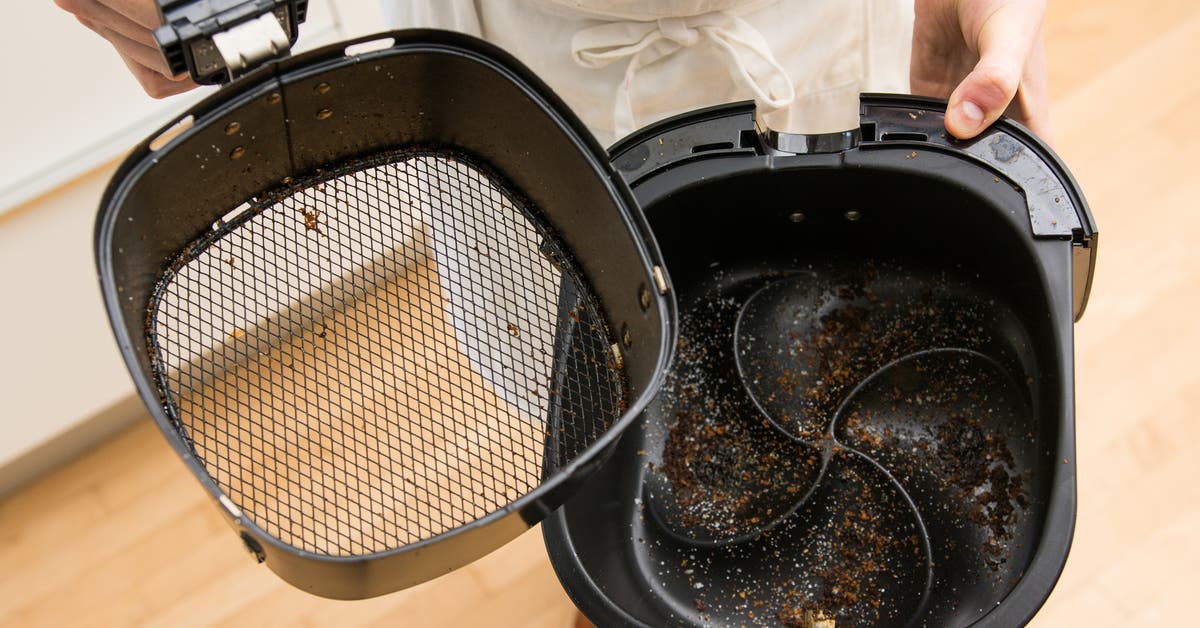
Cleaning the oven doesn't require harsh chemicals. Many modern ovens have a steam cleaning function that uses high-temperature steam to loosen baked-on food. This is the most eco-friendly option, needing no extra cleaning products.
For ovens without steam cleaning, a baking soda paste works well. Mix ½ cup of baking soda with enough water for a spreadable paste. Coat the oven interior, avoiding heating elements. Let it sit overnight, then scrub with a sponge and warm water. This method takes patience but is effective.
Citrus-based cleaners, like those with limonene, can cut grease and grime. Use caution on delicate surfaces. Self-cleaning ovens are convenient but use a lot of energy and can release fumes; use them sparingly with good ventilation. Baking soda with some effort is often just as effective and more sustainable.
Refrigerator Refresh: Natural Deodorizers
Keeping your refrigerator clean and odor-free needs no chemical sprays. Baking soda absorbs odors effectively; place an open box inside. Activated charcoal is even better for odor removal and can be refreshed in sunlight.
Dry, unused coffee grounds also work as a deodorizer. Place a small bowl in the fridge to absorb smells. Preventing spills and food spoilage is key to minimizing odors. Check expiration dates and wipe spills immediately.
Clean interior surfaces with warm water and mild dish soap. Check door seals for mold and mildew. A damp cloth wipe prevents build-up. Maintaining a clean fridge is easier than cleaning a neglected one.
- Check expiration dates weekly: Prevent food spoilage and odors.
- Wipe up spills immediately: Don't let messes sit and fester.
- Store food in airtight containers: Minimizes odor transfer and keeps food fresh.
Microwave Makeover: Steam Power
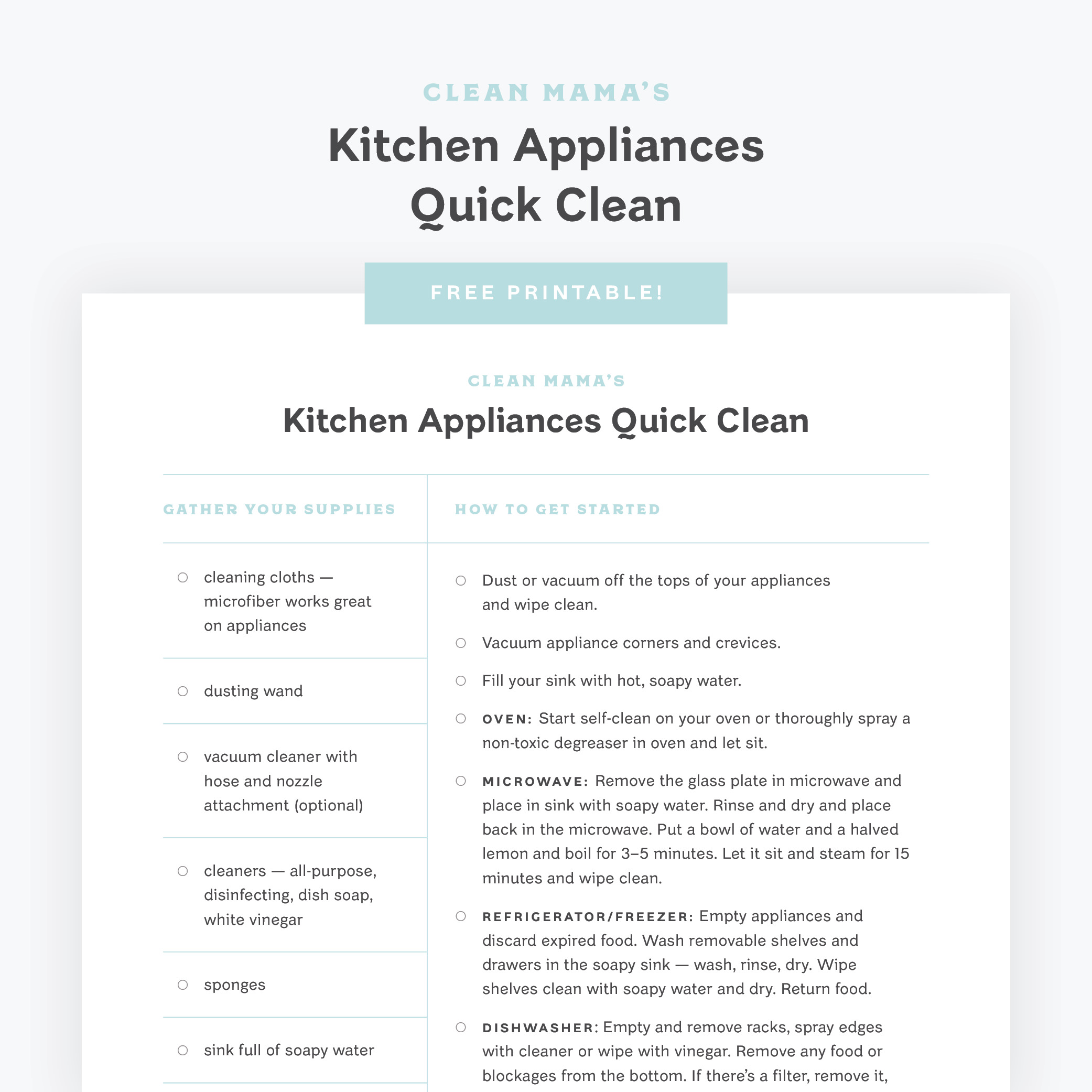
Steam is the easiest way to clean a microwave. Fill a microwave-safe bowl with one cup of water and a tablespoon of lemon juice or vinegar. Microwave on high for 5-10 minutes until it steams up. Let it sit for a few minutes to loosen grime, then wipe clean.
Stubborn splatters might need gentle scrubbing. Avoid abrasive scrubbers, which can damage the interior. A soft sponge or cloth is enough. This method is effective and requires minimal effort.
Small Appliance SOS: Coffee Makers & Toasters
Small appliances often get overlooked, but regular cleaning is essential. Descale coffee makers to remove mineral build-up. Use a solution of equal parts vinegar and water, run it through a brew cycle, then rinse with fresh water. Citric acid also works for descaling.
Toasters accumulate crumbs quickly. Empty the crumb tray regularly to prevent fires and maintain performance. Remove stuck food with a soft brush or plastic utensil. Never use metal objects inside a toaster.
Disassemble blenders carefully to clean the blades. Always unplug the blender first. Wash the jar and blades with warm, soapy water. Check rubber seals for bacteria. Regular cleaning prevents mold and bacteria growth, extending appliance life.
Zero-Waste Cleaning Tools: What to Swap
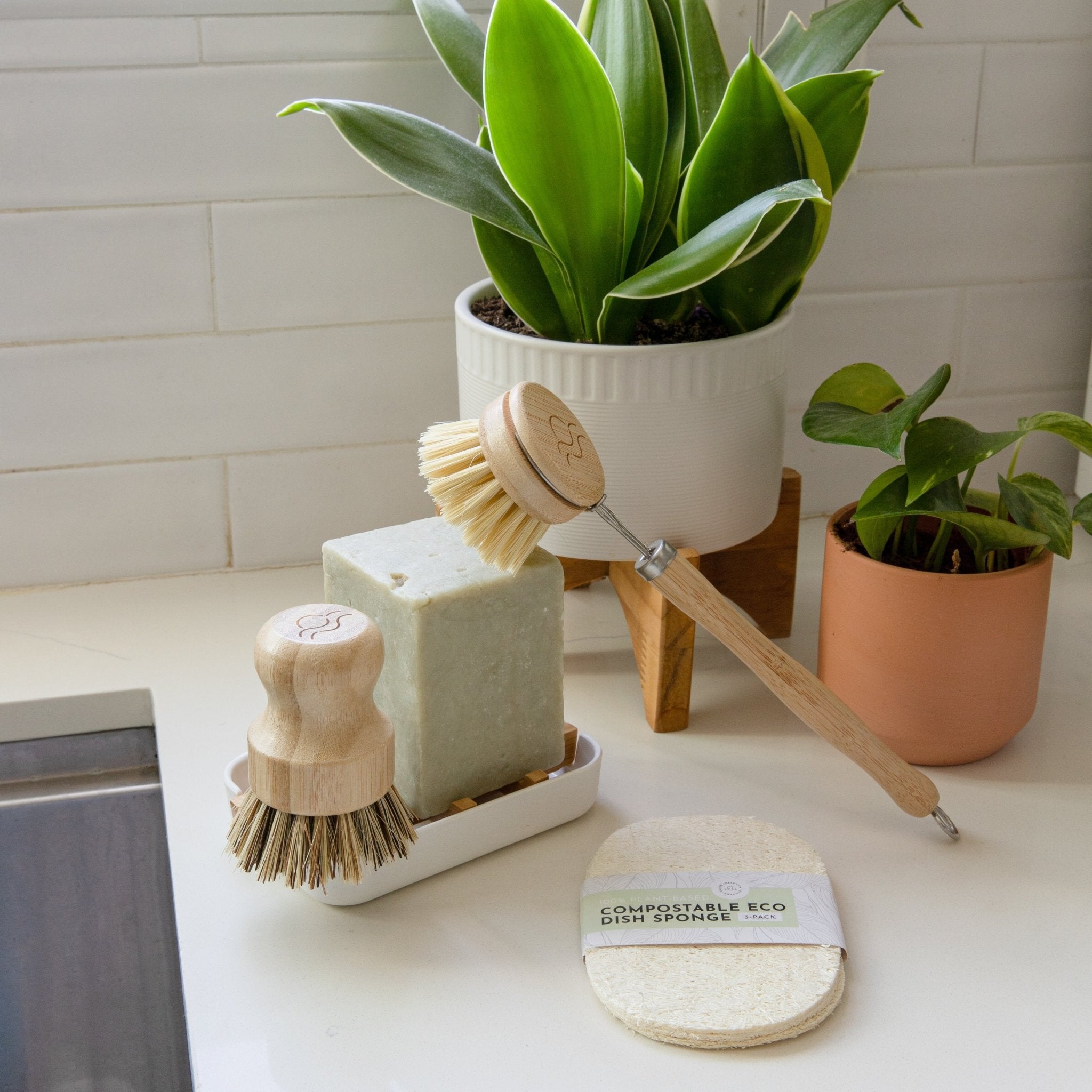
Switching to reusable cleaning tools is a significant step towards a zero-waste kitchen. Microfiber cloths are excellent for cleaning surfaces, and can be washed and reused hundreds of times. Bamboo brushes are a sustainable alternative to plastic brushes, and are biodegradable at the end of their life.
Reusable spray bottles allow you to dilute concentrated cleaning solutions, reducing plastic waste. Compostable sponges, made from plant-based materials, are a more eco-friendly option than traditional sponges. These tools aren’t always cheaper upfront, but they save money in the long run and reduce your environmental footprint.
Brands like Package Free Shop and Zero Waste Store are leading the way in sustainable cleaning tools. They offer a wide range of eco-friendly alternatives to traditional cleaning products. Switching to these tools isn't just about being environmentally conscious; it's about investing in quality products that will last.
- Microfiber cloths: Reusable and highly absorbent.
- Bamboo brushes: Sustainable and biodegradable.
- Reusable spray bottles: Reduce plastic waste from disposable bottles.
- Compostable sponges: Plant-based and eco-friendly.
Zero-Waste Kitchen Tools
- Reusable Microfiber Cloths - These cloths are excellent for wiping down appliance exteriors, offering a lint-free and streak-free clean. They can be washed and reused hundreds of times, reducing paper towel consumption.
- Bamboo Dish Brush - A sustainable alternative to plastic dish brushes. Bamboo is a rapidly renewable resource, and the brush can be used for scrubbing sinks, stovetops, and even appliance interiors. Look for options with replaceable heads to extend its lifespan.
- Glass Spray Bottle - Essential for dispensing your own homemade cleaning solutions (vinegar and water, for example). Glass is recyclable and doesn't leach chemicals like some plastics can.
- Compostable Sponges - Made from plant-based cellulose, these sponges are a great alternative to traditional synthetic sponges. They can be composted after use, minimizing landfill waste.
- Silicone Baking Mats - Reusable alternatives to parchment paper. These mats are ideal for baking and roasting, preventing food from sticking and eliminating the need for disposable paper products.
- Stainless Steel Scrubber - A durable and long-lasting option for tackling tough, baked-on messes on stainless steel appliances or cookware. They are recyclable at the end of their life.
- Wooden Scrub Brush - Similar to the bamboo brush, a wooden scrub brush with natural bristles can be used for various cleaning tasks. Ensure the wood is sourced from sustainably managed forests.
- Beeswax Food Wraps - While not a direct appliance cleaner, beeswax wraps can replace plastic wrap for covering food stored *in* appliances like the refrigerator, reducing plastic use.
Future Trends: Appliance Cleaning in 2026
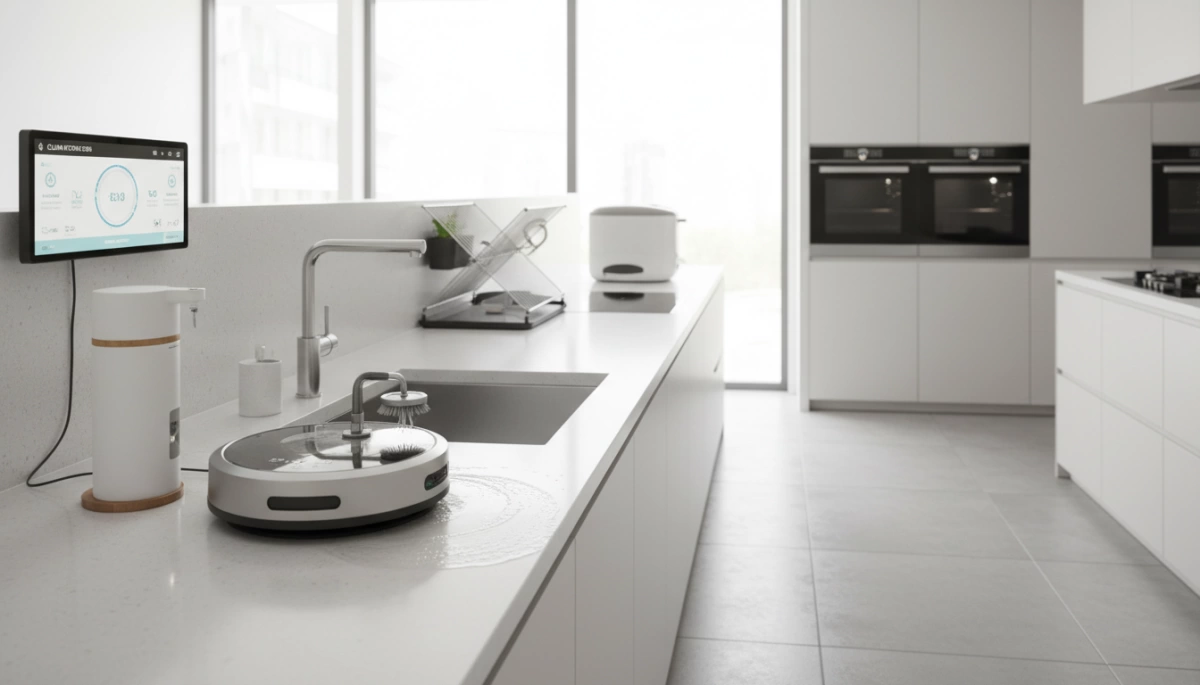
The future of appliance cleaning is likely to be more automated and eco-friendly. We may see more appliances with self-cleaning cycles that utilize innovative technologies, such as UV sterilization or ozone cleaning, with minimal energy consumption. These cycles will likely be optimized for environmental impact.
Smart appliances that monitor cleanliness levels and schedule cleaning cycles automatically are also on the horizon. AI could play a role in optimizing cleaning routines, adjusting water usage and detergent dosage based on the level of grime. Advancements in biodegradable cleaning solutions will continue, with a focus on plant-based enzymes and sustainable ingredients.
I anticipate we'll see a shift towards more concentrated cleaning formulas, reducing packaging waste and transportation costs. The demand for truly sustainable cleaning solutions will continue to drive innovation, leading to a cleaner, greener future for our kitchens. This isn't just a trend; it's a necessary evolution.
No comments yet. Be the first to share your thoughts!