

Pollen's Lingering Impact
Even though May 2026 has passed the peak of pollen season, its effects linger. Many people still experience sneezing, sniffling, and itchy eyes weeks after pollen counts drop. Pollen circulates indoors long after trees stop blooming and grass is mowed. It settles into carpets, clings to furniture, and affects indoor air quality.
Pollen doesn't simply disappear; it embeds in home surfaces and recirculates through HVAC systems. A post-pollen season deep clean creates a healthier living environment, especially for those sensitive to allergens. Ignoring this leads to prolonged discomfort and worsening symptoms.
Allergy seasons are getting longer and more intense. A 2024 report from the National Allergy Bureau showed pollen counts increased significantly over the past decade due to climate change and rising temperatures. This means more pollen in the air for longer periods, making a thorough post-season clean more important. This cleaning prepares for the next season.
Air Ducts: The Hidden Reservoir
Air ducts impact indoor air quality. Pollen enters ductwork through open windows, doors, or attached to clothing and pets. Once inside, it circulates throughout your home with every HVAC system run, reintroducing allergens into the air.
Standard vacuuming doesn't address pollen buildup in ducts. While a HEPA filter vacuum captures surface pollen, it misses hidden areas where dust and allergens accumulate. Professional duct cleaning uses specialized equipment to remove debris from the entire duct system, improving airflow and reducing allergen levels.
DIY duct cleaning kits often lack the power and reach of professional equipment, and improper use can damage ductwork. A crucial, easy step is regularly changing HVAC filters. For allergy sufferers, a MERV (Minimum Efficiency Reporting Value) rating of 11-13 is ideal. These filters capture significant pollen and airborne particles without restricting airflow too much.
- Check HVAC filters: Monthly during peak pollen season, and at least every three months otherwise.
- Replace filters: When they appear dirty or clogged.
- Consider professional duct cleaning: Every 3-5 years, or more frequently if you have severe allergies or pets.
Surface Cleaning Beyond the Visible
Pollen settles on every surface in your home: furniture, floors, countertops, curtains, and decorative items. A thorough surface cleaning is essential for allergy-proofing your home. Don't just focus on visible areas; pollen hides in corners, under furniture, and on seldom-used surfaces.
Choose allergen-reducing cleaning formulas designed to trap and remove pollen, dust mites, and other allergens. Ingredients like sodium percarbonate and enzymes break down allergens. Avoid cleaners with harsh chemicals, fragrances, and dyes, as these can irritate sensitive airways. Simple solutions with vinegar and water are effective for many surfaces.
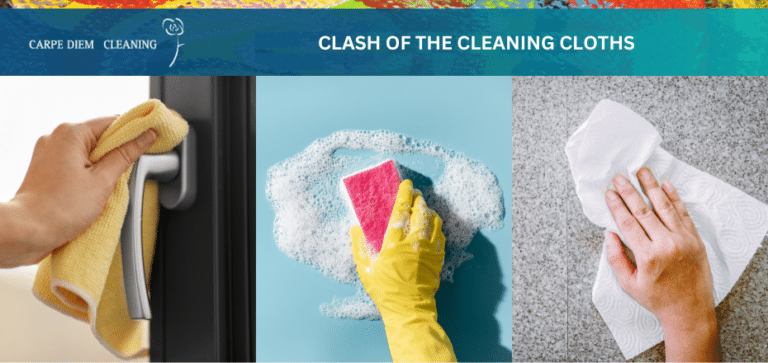
Microfiber cloths trap more dust and allergens than traditional cotton cloths. Pair them with a HEPA filter vacuum to capture small particles. Steam cleaning carpets and upholstery kills dust mites and removes allergens without harsh chemicals.
Textiles: A Pollen Magnet
Textiles like bedding, curtains, rugs, and upholstery are notorious pollen magnets. Their fibers trap pollen, becoming reservoirs of allergens. This is problematic for allergy sufferers who spend significant time in bedrooms and living areas.
Wash textiles regularly. Bedding should be washed weekly in hot water (130°F or higher) to kill dust mites and remove pollen. Vacuum curtains and rugs frequently, and ideally, dry-clean or professionally clean them a few times a year. Pay attention to fabric care labels to use appropriate washing and cleaning methods.
Allergen-proof mattress and pillow covers create a barrier between you and dust mites, pollen, and other allergens. Look for tightly woven covers with a zippered closure. Consider curtain material; heavier drapes trap more pollen than lightweight sheers and should be cleaned more often.
Bathroom Mold & Mildew: An Allergy Double Whammy
While focused on pollen, it's important to address mold and mildew, another common allergy trigger. Bathrooms are susceptible to mold growth due to high humidity. Mold spores can exacerbate allergy symptoms and cause respiratory problems.
Prevent mold growth with ventilation. Run the exhaust fan during and after showers and baths to remove excess moisture. Wipe down wet surfaces immediately and fix leaks promptly. Clean mold with a mold-killing cleaner. Bleach solutions can be effective, but follow manufacturer instructions and ensure adequate ventilation.
Mold and pollen often worsen allergy symptoms together. Reducing both improves indoor air quality. Don't ignore musty smells, which often signal hidden mold growth. Regular cleaning of bathroom surfaces and prompt attention to leaks keep mold at bay.
Kitchen Considerations: Grease & Dust
The kitchen harbors allergens like dust, grease, and food particles, which contribute to indoor air pollution and trigger allergy symptoms. Regularly wipe down counters, floors, and appliances.
Clean kitchen appliance range hood filters regularly to remove grease and food particles. Vacuum refrigerator coils to improve efficiency and prevent dust buildup. Pay attention to crumbs and spills, as these attract pests and breed allergens.
A daily wipe-down of kitchen surfaces prevents allergen buildup. A thorough deep clean, including appliances and floors, should be done weekly or bi-weekly. This small effort improves overall indoor air quality.
Cleaning Product Ingredients to Watch
Some cleaning products trigger allergies. Many conventional cleaners contain fragrances, dyes, and preservatives that irritate sensitive airways and exacerbate allergy symptoms. Be mindful of cleaning product ingredients.
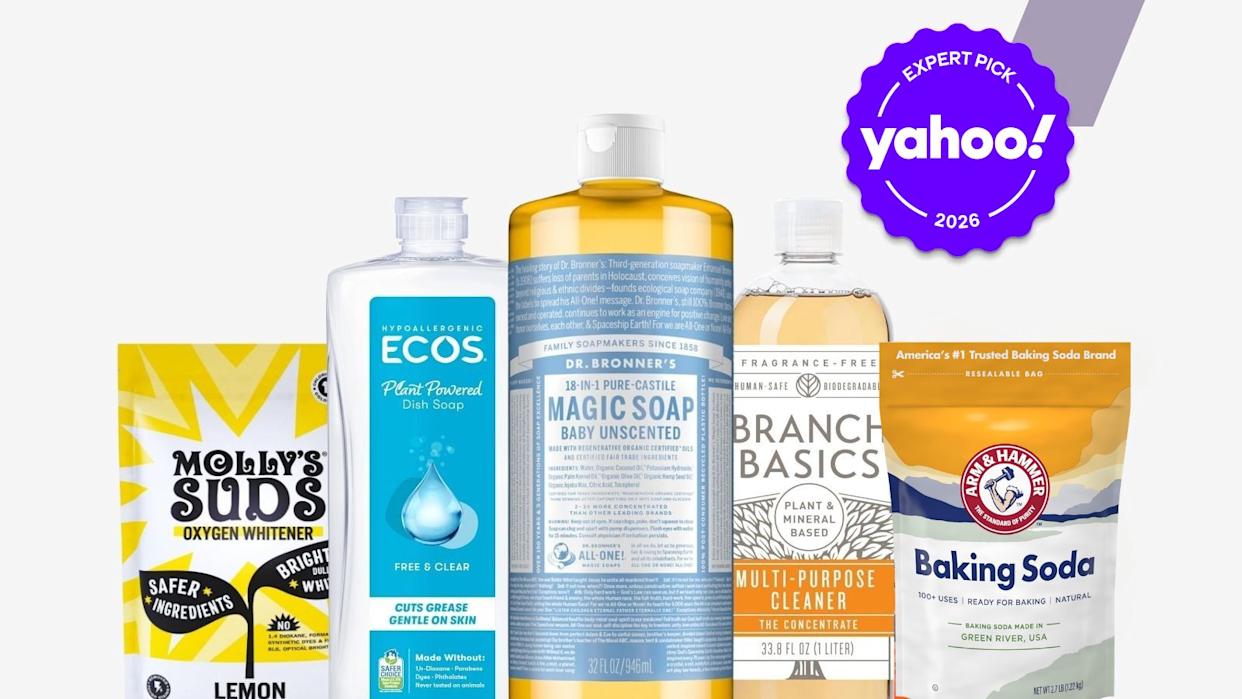
undefined hypoallergenic cleaning products whenever possible. I’ve had good experiences with brands like Seventh Generation and Branch Basics, which prioritize natural ingredients.
Here’s a quick look at some common ingredients and their potential allergenicity:
Choosing cleaning products with fewer ingredients and a transparent ingredient list is a good starting point. Don't be afraid to read labels and do your research. Your health is worth it.
- Fragrances: Common allergens, often undisclosed.
- Dyes: Can cause skin irritation and respiratory problems.
- Preservatives (e.g., methylisothiazolinone): Known skin sensitizers.
- Volatile Organic Compounds (VOCs): Can contribute to indoor air pollution.
Common Cleaning Ingredient Profile: Allergenicity & Environmental Impact
| Ingredient | Allergenicity Potential | Environmental Impact | Notes |
|---|---|---|---|
| Fragrance (Synthetic) | Medium to High | Medium | Many synthetic fragrances contain volatile organic compounds (VOCs) that can irritate airways and trigger allergic reactions. Environmental impact varies based on specific chemicals used. |
| Fragrance (Natural - Essential Oils) | Low to Medium | Low to Medium | While often perceived as healthier, essential oils can still be allergens for sensitive individuals. Production can have environmental impacts depending on sourcing and farming practices. |
| Dyes | Medium | Medium | Artificial dyes are a common allergen and can contribute to indoor air pollution. Manufacturing processes can also have environmental consequences. |
| Bleach (Sodium Hypochlorite) | High | High | A strong irritant and allergen. Releases harmful chemicals into the environment during production and use. Can react with other cleaners to create dangerous gases. |
| Ammonia | Medium to High | Medium | A respiratory irritant and potential allergen. Contributes to air pollution and can be harmful to aquatic life. |
| Sodium Bicarbonate (Baking Soda) | Low | Low | Generally considered non-allergenic and environmentally friendly. A mild abrasive and deodorizer. |
| Citric Acid | Low | Low | A natural acid found in citrus fruits. Generally safe, but can cause mild irritation in some individuals. Biodegradable and environmentally benign. |
| Hydrogen Peroxide | Low to Medium | Low | Breaks down into water and oxygen. Can cause skin and eye irritation at higher concentrations. |
Illustrative comparison based on the article research brief. Verify current pricing, limits, and product details in the official docs before relying on it.
Maintaining Your Progress
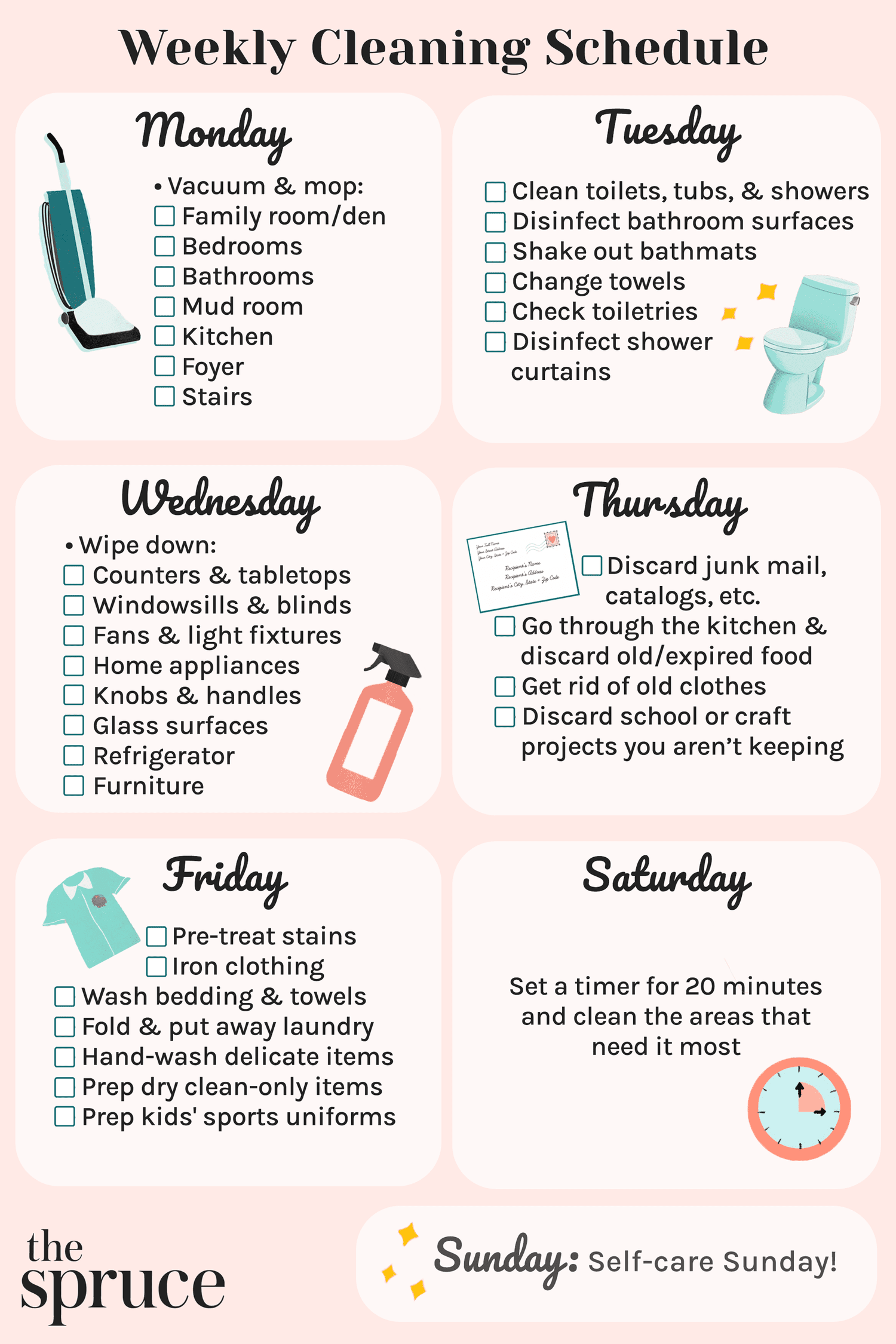
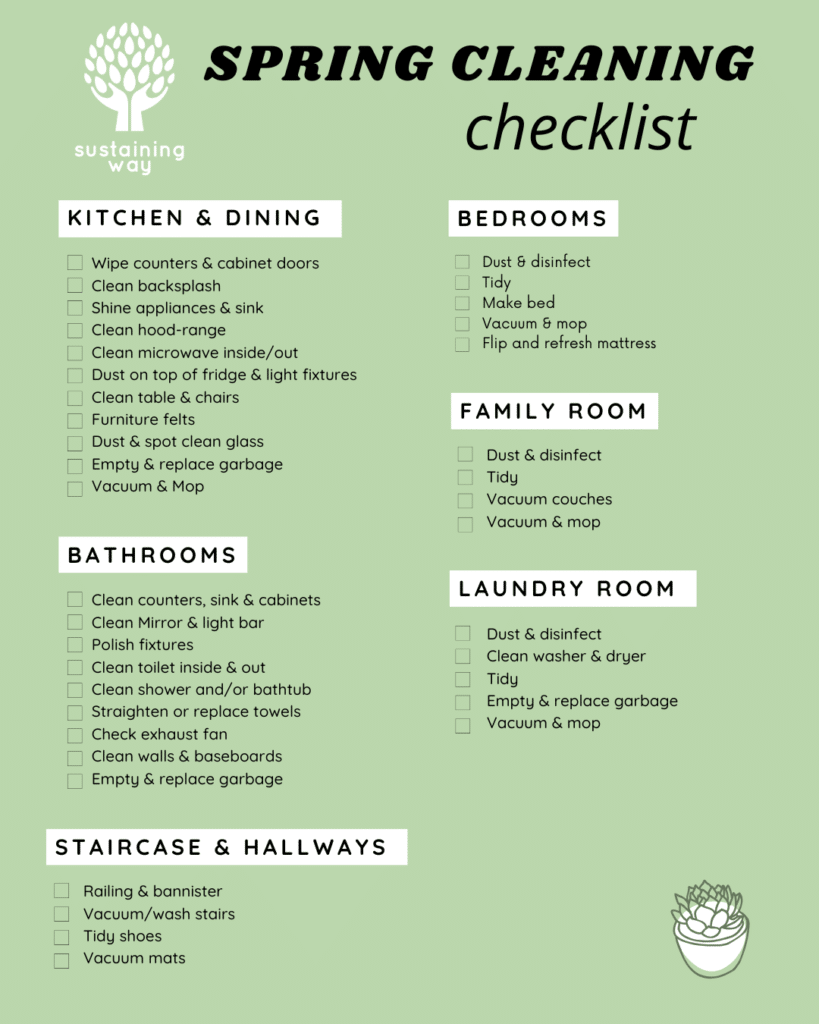
A deep clean is a great start, but it’s not a one-time fix. Establishing a regular cleaning routine is essential for preventing pollen and allergens from building up again. Create a cleaning schedule that includes dusting, vacuuming, and filter changes.
Regular dusting with a microfiber cloth, weekly vacuuming with a HEPA filter vacuum, and monthly filter changes are all important steps. Don’t forget to wash bedding frequently and clean surfaces regularly. By making cleaning a habit, you can create a healthier, more comfortable home environment. A little consistent effort goes a long way.
No comments yet. Be the first to share your thoughts!