

The Rise of the AI-Powered Home: Cleaning Beyond 'Set It and Forget It'
Home cleaning is undergoing a quiet revolution. For years, the promise of a truly automated home felt distant, with early robotic vacuums often proving more frustrating than helpful. Those first-generation robots essentially bumped around, hoping to cover ground, and requiring constant intervention. But 2026 is different. We're moving beyond simple automation into an era of intelligent cleaning, driven by advancements in artificial intelligence.
The main improvements are in computer vision, machine learning, and natural language processing. Computer vision lets devices 'see' and understand their surroundings, identifying objects. Machine learning helps them learn from experience and improve over time. Natural language processing allows for easier voice control. Robots aren't just cleaning; they're starting to understand what needs cleaning and how.
Appliances are becoming more connected, generating data about usage and performance. Analyzing this data can optimize cleaning cycles, predict maintenance, and personalize routines. This shifts home care from reactive to proactive. For example, Envy Cleanz in Oakland, California, offers services that complement these smart devices.
People want tools to simplify their lives, and cleaning is a big chore. AI-powered cleaning offers more than convenience; it gives back time and reduces mental load, making homes more relaxing.
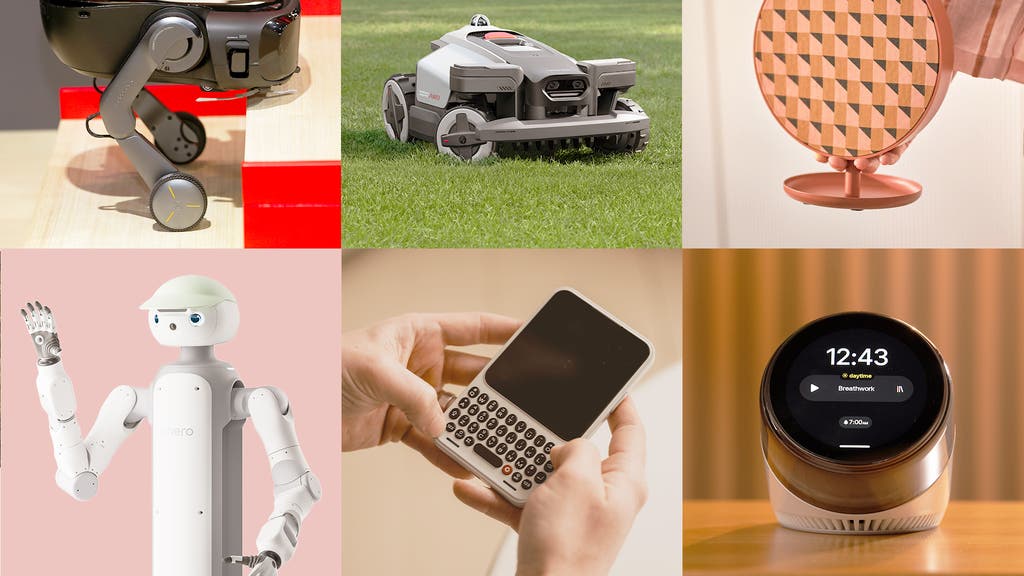
Robot Vacuum Evolution: From Bump-and-Go to Intelligent Navigation
The story of the robot vacuum is a story of continuous improvement. Early Roomba models, while innovative for their time, were limited by their reliance on random patterns. They’d bounce off walls and furniture, often missing spots or getting stuck under low-clearance objects. The introduction of basic mapping and zoned cleaning in the mid-2020s was a step forward, allowing users to define cleaning areas and schedule specific times.
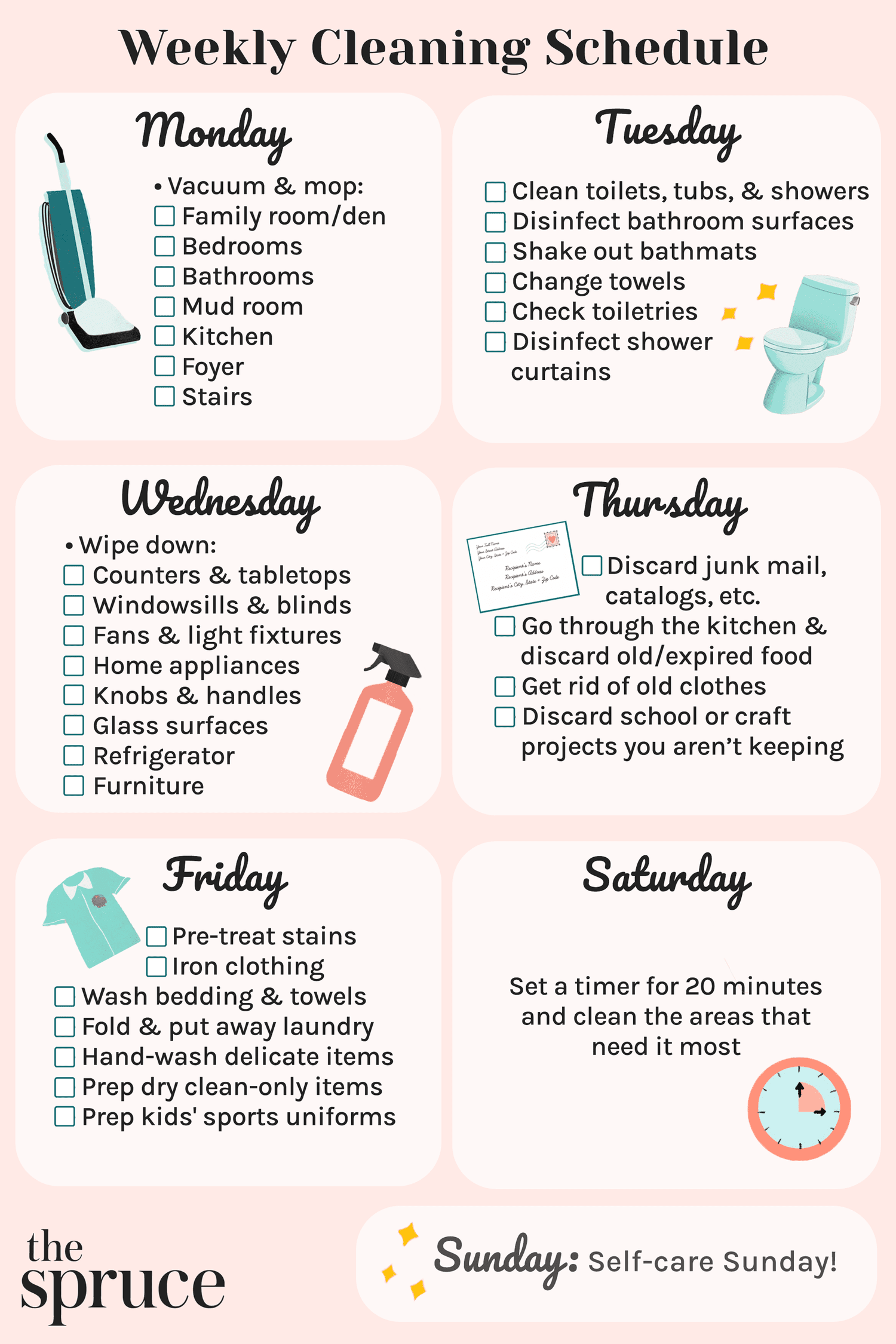
Advanced AI integration marks the real leap forward. Today's top robot vacuums can identify and avoid obstacles like shoes, cords, and pet waste, significantly reducing the need for pre-cleaning and preventing damage. Eufy's cleaning checklists show how much prep work consumers used to do, which robots now handle.
Room recognition is another major improvement. Robots learn your home's layout, identify rooms, and adapt cleaning strategies. Some models adjust suction for different floor types. This learning process is ongoing; the AI refines its understanding with each cycle, becoming more efficient.
The benefit is clear: less work for homeowners. You can set a schedule and let the robot handle cleaning without constant monitoring. Robots are better at navigating complex spaces, improving customer satisfaction and saving you from untangling them from cords.
Beyond Vacuuming: AI in Other Cleaning Appliances
The AI revolution isn’t limited to robot vacuums. It’s spreading to a wide range of cleaning appliances, transforming how we approach household chores. Dishwashers, for example, are now incorporating AI to optimize wash cycles based on the soil level of the dishes. Sensors can detect the amount of food residue and adjust water temperature and detergent dosage accordingly, leading to cleaner dishes and reduced water consumption.
Washing machines are also smarter. Fabric detection sensors identify fabric types and automatically adjust settings to prevent damage, which is useful for delicates like silk or wool. Some machines offer personalized wash recommendations based on your habits.
Even window cleaners benefit from AI. Robotic window cleaners navigate complex designs, avoid obstacles, and clean thoroughly. They can self-diagnose issues and alert you to maintenance needs. While professional cleaning is still popular, the convenience of robotic solutions is appealing.
This integration of AI across multiple appliances is creating a more holistic and efficient cleaning experience. It's not just about automating individual tasks; it’s about creating a connected ecosystem that works together to keep your home clean and tidy. The ability of these appliances to self-diagnose and schedule maintenance is a particularly valuable feature, potentially saving homeowners money on repairs in the long run.
AI-Powered Cleaning: Top Smart Home Appliances for 2026
AI-powered obstacle recognition and avoidance · Duo-Roller Brush system for enhanced debris pickup · Automatic dock with self-emptying, self-washing, and self-drying capabilities
This high-end robot vacuum offers unparalleled automation and cleaning performance, making it ideal for tech-savvy homeowners seeking a hands-off cleaning solution.
Smart navigation with integrated camera for room mapping · Quiet operation and effective dust collection · App control for scheduling and remote operation
For those who prioritize quiet operation and reliable navigation, the Miele Scout RX3 Vision provides a sophisticated and unobtrusive cleaning experience.
AI DD technology automatically selects the optimal wash cycle based on load type · QuadWash four-blade cánh tay for 360-degree cleaning coverage · SmartThinQ app for remote monitoring and control
This LG dishwasher uses AI to intelligently adapt its cleaning cycles, ensuring optimal results for various dishes while offering smart home connectivity.
i-DOS automatic detergent and softener dispensing system · Reload function to add forgotten items mid-cycle · EcoSilence Drive motor for quiet and efficient operation
The Bosch 800 Series with i-DOS offers precise, automated detergent dispensing, saving time and resources for a more efficient laundry routine.
AI technology optimizes wash cycles and fabric care · Super Speed 2.0 washes a full load in just 28 minutes · SmartThings app integration for remote control and diagnostics
Samsung's AI-powered washer simplifies laundry with intelligent cycle selection and rapid wash times, fitting seamlessly into a connected smart home.
As an Amazon Associate I earn from qualifying purchases. Prices may vary.
The Data Privacy Implications of a Connected Cleaning Home
With all these connected appliances generating data, it's crucial to address the privacy concerns. These devices are essentially collecting information about your cleaning habits, your home layout, and potentially even your lifestyle. What data are they collecting specifically? It could include things like floor plan maps, cleaning schedules, appliance usage patterns, and even images or videos captured by onboard cameras.
How is this data being used? Manufacturers claim it's used to improve product performance, personalize cleaning routines, and offer targeted marketing. However, there's always a risk that this data could be shared with third parties or used for purposes you haven't explicitly consented to. Security measures are in place to protect user privacy, such as data encryption and secure cloud storage, but these measures aren't foolproof.
It's important to be proactive about managing your privacy settings. Review the privacy policies of each appliance manufacturer and understand what data they're collecting and how they're using it. Disable any features you're uncomfortable with, such as remote monitoring or data sharing. Choose devices from reputable manufacturers with a strong track record of data security.
Consider your network security as well. A strong Wi-Fi password and a secure router are essential for protecting your connected home from unauthorized access. Regularly update your appliances’ firmware to patch any security vulnerabilities. While the convenience of a smart cleaning home is appealing, it's vital to be aware of the potential privacy risks and take steps to mitigate them.
Troubleshooting AI Cleaning: When Your Smart Home Gets It Wrong
AI isn't perfect, and even the most advanced cleaning appliances can encounter problems. A common issue with robot vacuums is getting stuck – under furniture, on rugs, or tangled in cords. Before you intervene, check the robot’s sensors for obstructions and ensure the area is properly illuminated. Some robots have anti-tangle technology, but it’s not always effective.
Inaccurate object recognition is another potential issue. If a robot vacuum consistently mistakes a dark rug for a cliff or fails to avoid pet waste, you may need to recalibrate its sensors or adjust its settings. Similarly, a dishwasher that doesn't properly clean dishes may have a faulty sensor or require a cleaning cycle.
What if an appliance simply refuses to start? First, check the power supply and ensure the device is properly connected. If the problem persists, consult the user manual for troubleshooting tips. Most manufacturers offer online support resources and customer service hotlines. Don’t hesitate to reach out for help.
It's important to remember that these are complex machines, and occasional glitches are to be expected. Approaching troubleshooting with patience and a methodical approach will often resolve the issue. However, be realistic about the limitations of the technology and don’t expect perfection.
The Cost of Convenience: Pricing Trends in 2026
The cost of entry for AI-powered cleaning varies widely depending on the appliance and its features. Basic robot vacuums with limited AI capabilities start around $300, while high-end models with advanced object recognition and room mapping can easily exceed $1,000. Smart dishwashers and washing machines with AI features typically range from $800 to $2,000, depending on the brand and capacity.
Some manufacturers offer subscription services for additional features, such as advanced cleaning modes or automatic detergent delivery. These subscriptions typically cost between $10 and $30 per month. While these costs can add up, they may be worthwhile for users who want the most advanced cleaning experience. The initial investment can be substantial, but it’s important to consider the potential long-term savings.
AI-powered appliances can reduce energy consumption by optimizing cleaning cycles and using water more efficiently. They can also minimize the need for professional cleaning services, saving you money over time. The convenience factor is also a significant benefit – freeing up your time and reducing the mental load associated with household chores.
Ultimately, the cost of convenience is a personal decision. Weigh the upfront costs against the potential savings and benefits to determine if AI-powered cleaning is a worthwhile investment for your home. The Eufy website provides a breakdown of cleaning checklists, which can help you assess the value of automating certain tasks.
Stock Price Comparison: AI and Smart Home Technology Leaders
Current market performance of companies driving smart home cleaning innovation - December 2024
| Asset | Current Price | 24h | 7d | 30d | Market Cap |
|---|---|---|---|---|---|
| Apple Inc AAPL | $196.94 | +0.8% | +2.1% | +4.7% | $2.98T |
| NVIDIA Corporation NVDA | $138.07 | +1.2% | +3.8% | +8.9% | $3.39T |
| Amazon.com Inc AMZN | $215.12 | +0.5% | +1.9% | +12.3% | $2.25T |
| Alphabet Inc GOOGL | $178.33 | -0.3% | +2.7% | +9.1% | $2.14T |
| Tesla Inc TSLA | $352.56 | +2.1% | +5.4% | +38.7% | $1.13T |
| iRobot Corporation IRBT | $8.42 | -1.8% | -3.2% | -12.4% | $228M |
Analysis Summary
The AI and smart home technology sector shows strong performance led by NVIDIA's AI chip dominance and Tesla's recent surge. While tech giants maintain trillion-dollar valuations, pure-play robotics company iRobot faces challenges with significantly lower market performance.
Key Insights
- NVIDIA leads with $3.39T market cap, benefiting from AI infrastructure demand driving smart home applications
- Tesla shows exceptional 30-day growth of +38.7%, reflecting investor confidence in AI-powered automation
- iRobot, the pure-play robot vacuum leader, trades at just $8.42 with negative momentum across all timeframes
Prices based on recent market data as of December 2024. Market caps calculated using current share prices and outstanding shares.
Disclaimer: Stock prices are highly volatile and subject to market fluctuations. Data is for informational purposes only and should not be considered investment advice. Always do your own research before making investment decisions.
Future Trends: What's Next for AI and Home Cleaning?
The future of AI and home cleaning is brimming with possibilities. We can expect to see even more advanced AI algorithms that enable appliances to learn and adapt to our cleaning needs with greater precision. Integration with other smart home systems will become more seamless, allowing for coordinated cleaning routines and automated responses to changing conditions.
One exciting development is the potential for self-cleaning surfaces. Imagine countertops and floors that automatically repel dirt and grime, reducing the need for manual cleaning. Robotic window washers that can handle complex designs and multi-story buildings are also on the horizon. These robots will leverage advanced sensors and AI to navigate challenging environments safely and effectively.
AI-powered cleaning solutions that adapt to different types of dirt and grime are another area of innovation. These solutions will use sensors to analyze the composition of the dirt and adjust the cleaning process accordingly, ensuring optimal results. We might even see personalized cleaning products formulated based on your home's specific needs.
The Reddit threads discussing smart home integration reveal a strong demand for interoperability. Users want their cleaning appliances to work seamlessly with their voice assistants, lighting systems, and security cameras. This level of integration will require open standards and collaboration between manufacturers. The tweets discussing the convenience of automated cleaning showcase the growing consumer appetite for these technologies. The key is continued innovation and a focus on making cleaning as effortless and efficient as possible.
Loving my RoboRock Smart Vacuum & Mop 🤖✨. This robot cleaner handles hardwood, carpet, and tile with powerful suction + smart app control. The ultimate smart home cleaning gadget! 🏡💦🧹#smartvacuum #robomop #robovac #smartcleaning #smarthome #housegadgets #robotvacuum… pic.twitter.com/BEovhJMQVz
— Brande Roderick (@BrandenRoderick) October 10, 2025

No comments yet. Be the first to share your thoughts!