

Appliance cleaning budget
The Eco-Conscious Clean works best when the purchase path is explicit. Verify the source, compare the offer against real alternatives, check the total cost, and confirm what happens after payment before you decide. After each comparison, write down the one risk that would change your mind. If the seller, condition, support, warranty, shipping, or upkeep still feels uncertain, resolve that question before moving to checkout.
The simplest way to use this section is to verify the seller, compare the total cost, and resolve the biggest risk before you commit.
Shortlist real options
Use this section to make the The Eco-Conscious Clean decision easier to compare in real life, not just on paper. Start with the reader's actual constraint, then separate must-have requirements from details that are merely nice to have. A practical choice should survive normal use, maintenance, timing, and budget. If a recommendation only works in an ideal situation, call that out plainly and give the reader a fallback path.
| Factor | What to check | Why it matters |
|---|---|---|
| Fit | Match the option to the primary use case. | A good deal still fails if it does not fit the job. |
| Condition | Verify age, wear, and service history. | Hidden condition issues erase upfront savings. |
| Cost | Compare purchase price with likely upkeep. | The cheapest option is not always the lowest-cost option. |
Inspect the expensive parts
Appliances are heavy investments, and their most expensive failures often start as small, overlooked issues. A clogged filter or a worn seal can cost hundreds in repairs or premature replacement. By inspecting these high-risk areas regularly, you can extend the life of your machines and keep your kitchen running efficiently without harsh chemicals.
Check the dishwasher filter and spray arms
Dishwashers trap food particles in a filter at the bottom. If this gets clogged, water pressure drops, cleaning suffers, and odors set in. Remove the filter according to your manual and rinse it under warm water. Check the spray arms for blockages; use a toothpick to clear any holes clogged with debris. This simple maintenance step ensures water circulates properly, which is the best way to clean appliances naturally.
Vacuum the condenser coils on your refrigerator
Your refrigerator works harder if its coils are dusty. Located either at the back or beneath the front grille, these coils release heat. When coated in lint and grime, the compressor overheats, leading to costly repairs. Use a brush attachment on your vacuum to gently remove dust. This improves energy efficiency and prevents the motor from burning out.
Inspect the washer door seal and dispenser
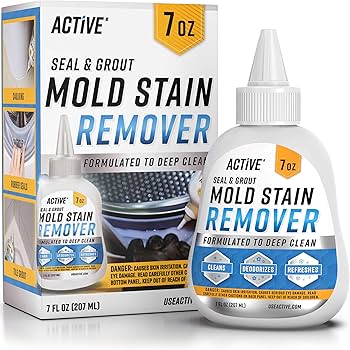
Front-loading washers are prone to mold in the rubber door gasket. Wipe the seal dry after every load and check for hidden debris or mildew. Also, remove the detergent drawer to scrub away residue buildup, which can clog hoses and reduce cleaning effectiveness. For deep cleaning, run a hot cycle with white vinegar to dissolve mineral deposits. If you notice persistent leaks or strange noises, it may be time to hire someone to clean your washer professionally.
Clean the oven vent and exhaust fan
Grease buildup in your oven vent and exhaust fan is a fire hazard and reduces airflow. Remove the vent cover and soak it in warm, soapy water. Wipe the fan blades with a degreasing solution. A clean exhaust system helps your oven heat evenly and prevents smoke from spreading during cooking. This is one of the most effective ways to deep clean your kitchen appliances safely.
Plan for ownership costs
A cheap appliance can become expensive quickly if maintenance is an afterthought. The initial price tag is only part of the equation; hidden costs like specialized cleaners, replacement filters, and professional servicing add up over time. Understanding these expenses helps you decide whether a low-cost model is truly a bargain or just a false economy.
Maintenance and cleaning supplies
Regular cleaning requires specific non-toxic solutions and tools that aren't always included with the purchase. For example, washing machine gaskets accumulate mold and require dedicated enzyme cleaners or vinegar runs every few months. Refrigerator seals need gentle disinfectants to prevent mildew without degrading the rubber. Budget for these recurring consumables, as skipping them leads to odors, bacteria, and eventual part failure.
When to hire a professional
Some cleaning tasks are best left to experts, especially for sealed units or those with complex drainage systems. Professional appliance cleaning services, such as those offered by Merry Maids or local specialists like Appliance Fixx, typically charge between $100 and $150 per visit. This cost is often justified for deep cleans that remove built-up grease, limescale, or biological growth that DIY methods can't reach. If your appliance is still under warranty, check if professional cleaning voids the terms before booking.
The total cost of ownership
A $500 dishwasher might seem like a steal compared to a $1,200 premium model, but if it requires professional descaling twice a year and has a shorter lifespan, the long-term cost is higher. Factor in the durability of materials, the availability of replacement parts, and the ease of self-maintenance. A higher upfront investment in a robust, easy-to-clean appliance often pays for itself in reduced repair bills and extended service life.
![True Fresh Washing Machine Cleaner Tablets 25 Pack for Front Load Top Load | & He Washers Helps Remove Odor-Causing Residue, Limescale & Grime, Deep Cleans Drum, Pump, Valve & Hoses, Septic Safe [Amazon-developed Certification] Compact by Design](https://m.media-amazon.com/images/I/81hjPUwkV1L._AC_UL960_QL65_.jpg)

As an Amazon Associate, we may earn from qualifying purchases.
Appliance cleaning: what to check next
You have the products and the non-toxic supplies, but the actual execution can still feel overwhelming. Here are the most common practical questions about keeping your kitchen appliances sparkling, answered with straightforward advice.
What is the best way to clean appliances?
The most effective method combines immediate maintenance with periodic deep cleaning. Wipe down surfaces daily with a damp cloth to prevent grime buildup. Once a month, tackle hidden areas like the dishwasher filter, the oven seal, and the refrigerator coils behind or below the unit. Using non-toxic solutions like vinegar, baking soda, or castile soap keeps the process safe for your family and the environment.
Can I hire someone to clean my washer?
Yes, you can hire professional service companies like Merry Maids or local appliance maintenance specialists to clean your washer. This is particularly useful for front-loaders that trap mold and mildew in the rubber gasket. Professionals have access to industrial-grade steam cleaners and enzymatic treatments that break down biofilm more effectively than standard household products.
How much does it cost to clean a refrigerator?
Professional refrigerator cleaning typically costs between $40 and $100 per unit, depending on your location and the appliance's size. This service usually includes removing shelves, discarding expired items, and sanitizing interior surfaces and seals. If you have multiple appliances cleaned at once, many companies offer a discounted package rate.
What's a really good way to deep clean a washer machine?
A highly effective deep clean involves running a hot water cycle with two cups of white vinegar to dissolve mineral deposits and soap scum. After the cycle finishes, wipe the door seal and detergent dispenser with a vinegar-water solution. For top-loaders, you can add half a cup of baking soda to the water during the wash cycle to boost deodorizing power without damaging the machine.
No comments yet. Be the first to share your thoughts!