

Cleaning hacks budget
's Top Eco-Friendly Cleaning Hacks works best when the purchase path is explicit. Verify the source, compare the offer against real alternatives, check the total cost, and confirm what happens after payment before you decide. After each comparison, write down the one risk that would change your mind. If the seller, condition, support, warranty, shipping, or upkeep still feels uncertain, resolve that question before moving to checkout.
The simplest way to use this section is to verify the seller, compare the total cost, and resolve the biggest risk before you commit.
Shortlist real options
Use this section to make the 's Top Eco-Friendly Cleaning Hacks decision easier to compare in real life, not just on paper. Start with the reader's actual constraint, then separate must-have requirements from details that are merely nice to have. A practical choice should survive normal use, maintenance, timing, and budget. If a recommendation only works in an ideal situation, call that out plainly and give the reader a fallback path.
| Factor | What to check | Why it matters |
|---|---|---|
| Fit | Match the option to the primary use case. | A good deal still fails if it does not fit the job. |
| Condition | Verify age, wear, and service history. | Hidden condition issues erase upfront savings. |
| Cost | Compare purchase price with likely upkeep. | The cheapest option is not always the lowest-cost option. |
Inspect the expensive parts
Use this section to make the 's Top Eco-Friendly Cleaning Hacks decision easier to compare in real life, not just on paper. Start with the reader's actual constraint, then separate must-have requirements from details that are merely nice to have. A practical choice should survive normal use, maintenance, timing, and budget. If a recommendation only works in an ideal situation, call that out plainly and give the reader a fallback path.
-
Verify the basicsConfirm the core specs, condition, and fit before comparing extras.
-
Price the downsideLook for the repair, maintenance, or replacement cost that would change the decision.
-
Compare alternativesCheck at least two comparable options before treating one listing as the benchmark.
Plan for ownership costs
The cheapest cleaning gadget often costs more over time. A $15 steam mop might look like a bargain, but if the water tank cracks after six months or the battery holds only twenty minutes of charge, you are paying for a replacement sooner than expected. Eco-friendly claims do not guarantee durability, so the real cost is measured in years of use, not the price tag on the shelf.
Maintenance surprises add up quickly. Filters in air-purifying vacuums need regular washing or replacement. Microfiber cloths degrade if washed in hot water or with fabric softener, losing their ability to trap dust and bacteria. If a tool requires specific proprietary pods, pads, or solutions, those recurring purchases can exceed the cost of the device itself within a year.
A cheap buy stops being cheap when it fails to perform the core task. A weak suction motor leaves behind the very dirt it was meant to remove, forcing you to clean again or switch to a harsher, more expensive chemical cleaner. Before committing, check the warranty length and the availability of replacement parts. If the manufacturer discontinues a model after two years, the initial savings vanish when you are forced to buy a new unit entirely.
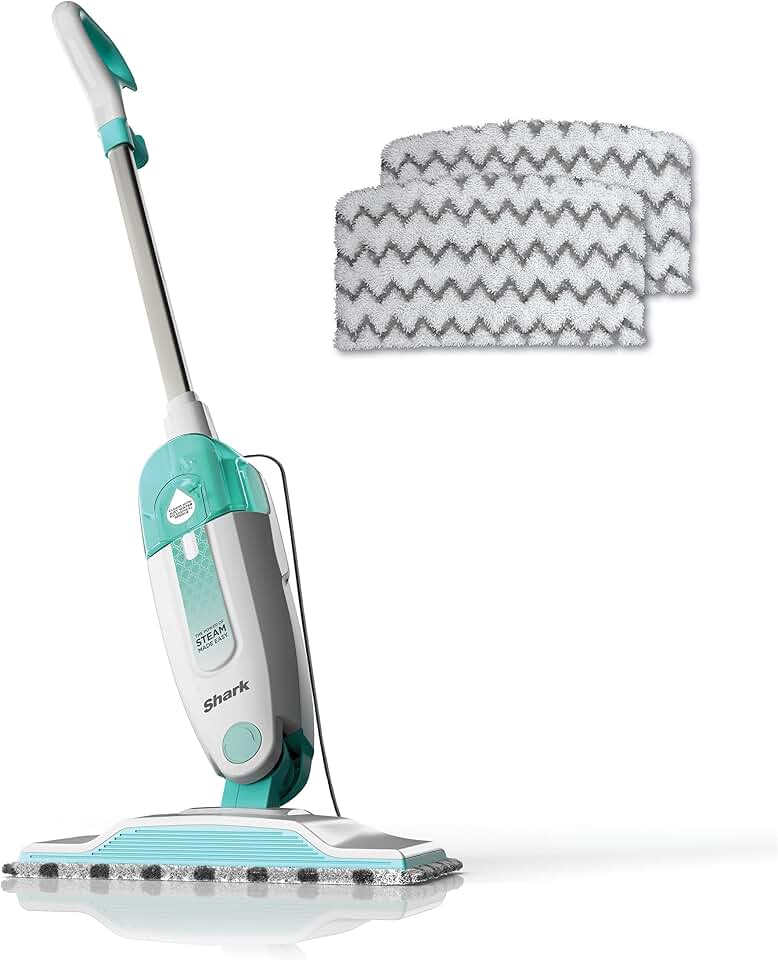


As an Amazon Associate, we may earn from qualifying purchases.
Cleaning hacks: what to check next
We know switching to eco-friendly methods often raises practical concerns. Will vinegar ruin your appliances? Does baking soda actually scrub away baked-on grease? Here are the answers to the most common objections before you start your deep clean.
These methods rely on simple chemistry rather than harsh synthetics. By choosing the right tool for each surface, you keep your kitchen clean without compromising safety or appliance longevity.
No comments yet. Be the first to share your thoughts!