

Narrow down the problem
Before you grab any chemicals, identify what you are actually dealing with. Eco-conscious deep cleaning relies on matching the right method to the specific type of buildup. Using a heavy-duty degreaser on a delicate surface can cause irreversible damage, while a gentle vinegar spray won't cut through years of baked-on grease. Start by isolating the issue.
Kitchen Appliance Symptoms
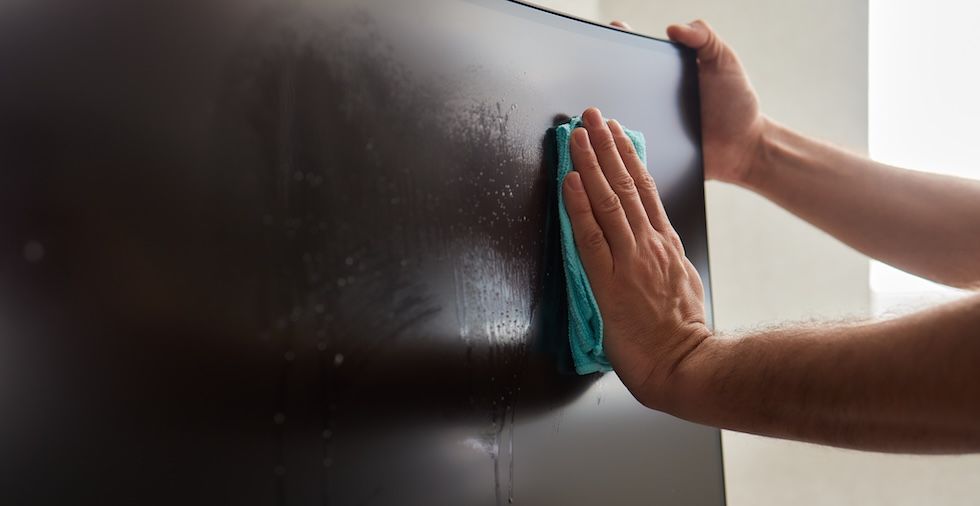
Look for the telltale signs on your appliances. A stainless steel fridge with smudges needs a different approach than a microwave with splattered food. If your oven door has dark, carbonized rings, that is grease and heat polymerization. If your dishwasher leaves film on glasses, it is likely hard water mineral buildup, not dirt. Distinguishing between surface grime and baked-on residue determines whether you need an enzymatic cleaner or a mechanical scrub.

Exterior and Outdoor Signs
Exterior care begins with observation. Brickwork that has turned black is dealing with algae or mildew, which organic cleaners can handle. Concrete patios with white, chalky patches are suffering from efflorescence, a salt migration issue that acid rinses address. Wood decks that feel rough or gray are oxidizing from UV exposure, requiring a gentle brightener rather than a pressure washer blast. Misidentifying the material or the stain type is the most common mistake in exterior cleaning.

Run these checks
Use this section to make the Eco-Conscious Deep Clean decision easier to compare in real life, not just on paper. Start with the reader's actual constraint, then separate must-have requirements from details that are merely nice to have. A practical choice should survive normal use, maintenance, timing, and budget. If a recommendation only works in an ideal situation, call that out plainly and give the reader a fallback path.
-
Verify the basicsConfirm the core specs, condition, and fit before comparing extras.
-
Price the downsideLook for the repair, maintenance, or replacement cost that would change the decision.
-
Compare alternativesCheck at least two comparable options before treating one listing as the benchmark.
What usually fixes it
Most stubborn grime on kitchen appliances and exterior surfaces comes from a predictable mix of grease, mineral deposits, and environmental buildup. The right fix depends on identifying which layer of dirt is holding on tight. A quick visual check usually tells the story: chalky white streaks signal hard water minerals, while sticky, yellow-brown residues point to cooking oils or organic decay.
Start with the least aggressive method. For stainless steel fridges and ovens, a simple mix of warm water and mild dish soap often lifts fresh grease without damaging protective coatings. If that fails, switch to a diluted white vinegar solution to tackle mineral deposits. This approach respects the material’s integrity while avoiding the harsh chemicals that often lead to long-term discoloration or pitting. Save abrasive scrubbing for last, as it can leave micro-scratches that trap more dirt over time.
When dealing with exterior surfaces like siding or deck railings, pressure washing is tempting but risky. High pressure can force water behind siding or strip away protective sealants. Instead, start with a soft-bristle brush and a biodegradable cleaner designed for exterior use. Let the solution dwell for ten minutes to break down algae and mold before rinsing gently. This method protects the surface while ensuring the eco-conscious goal of minimizing chemical runoff and water waste remains intact.
Always test any cleaning solution on a small, inconspicuous area first. Materials react differently to acids, alkalis, and surfactants. A patch test prevents accidental damage and saves time on repairs. If a stain persists after two attempts, it may be embedded deep in the material’s pores, requiring a specialized treatment or professional intervention rather than more scrubbing.
Cleaning: what to check next
Helpful gear
Use these product recommendations as a starting point, then choose the size, material, and price point that fit how you actually use the gear.



As an Amazon Associate, we may earn from qualifying purchases.
No comments yet. Be the first to share your thoughts!