

spotting winter damage
Winter weather beats up a house. Between the freeze-thaw cycles and the wind, things break. You should walk the perimeter in spring to find cracks or leaks before they turn into five-figure repair bills.
What should you be looking for? Cracked siding is a common issue, especially with vinyl or wood. Inspect your roofing for missing or damaged shingles – even seemingly minor damage can lead to leaks. Don’t forget the gutters; they’re prime candidates for clogs from fallen leaves and ice dams, impacting drainage. Peeling paint or blistering on wood surfaces is another sign of winter’s impact.
The type of winter your home experiences matters. A harsh New England winter, with heavy snowfall and prolonged freezing temperatures, will present different challenges than a milder Pacific Northwest winter with more rain. Homes in snowy regions are particularly susceptible to roof damage and ice dam formation, while those in rainy climates may experience more moisture-related issues like mold and mildew growth. Knowing your regional climate helps you prioritize your inspection.
Early detection is key. Small cracks or minor damage are much easier and cheaper to fix than larger, more extensive problems. A thorough walk-around after the last freeze is a good starting point. Look for subtle changes, and don't hesitate to call in a professional inspector if you're unsure about anything.

how to use a pressure washer
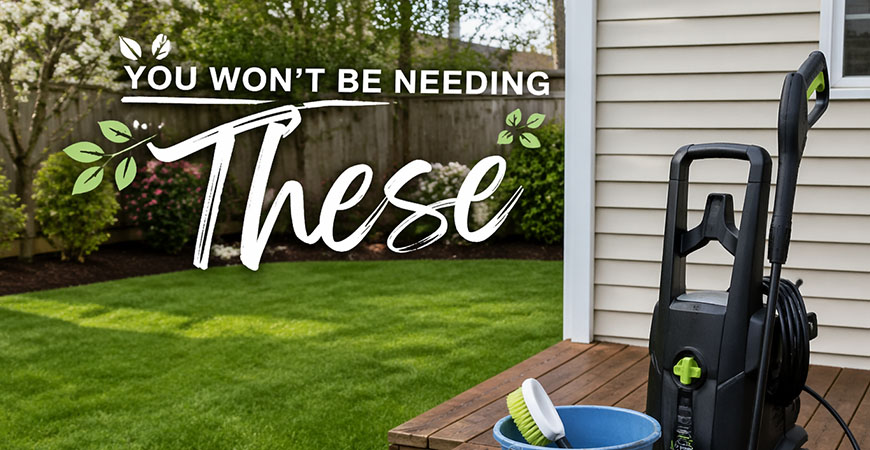
Pressure washing is an effective way to remove dirt, grime, and mildew from your home’s exterior, but it needs to be done correctly. First, consider the type of machine. Electric pressure washers are generally lighter, quieter, and better for smaller jobs – think decks and patios. Gas-powered pressure washers deliver more power and are ideal for larger surfaces like driveways and siding, but they are heavier and louder.
Nozzle selection is important. A wider spray angle (40-degree) is best for general cleaning, while a narrower angle (25-degree) provides more concentrated power for stubborn stains. Never use a 0-degree nozzle on siding or painted surfaces, as it can easily cause damage. Always start with the widest angle and gradually decrease it if needed. Safety is paramount; always wear eye protection, closed-toe shoes, and be mindful of electrical hazards when using an electric washer.
The washing process itself varies by surface. For siding, work from top to bottom, holding the nozzle at a consistent distance (about 6-12 inches). Overlap each pass slightly to avoid streaking. Decks and patios can be cleaned using a similar technique, but be careful not to damage the wood fibers. Driveways and concrete surfaces can handle higher pressure, but test a small area first.
Detergent use should be approached cautiously. Many pressure washers have a detergent tank for adding cleaning solutions. Avoid using bleach, as it can damage plants and siding. Sunnyside's Green Envy House Wash is a good environmentally friendly option, designed for exterior surfaces. Always follow the manufacturer’s instructions for dilution and application. Rinse thoroughly after washing.
cleaning vinyl, wood, and brick
Different siding materials require different cleaning approaches. Vinyl siding is the most forgiving; it can generally withstand higher pressure and a wider range of cleaning solutions. A mild detergent and a 25-degree nozzle usually do the trick. Wood siding, however, is more delicate. Lower pressure and a wider nozzle angle (40-degree) are essential to avoid damaging the wood fibers.
Brick siding presents its own challenges. It’s porous, meaning it can absorb water and cleaning solutions. Using too much pressure can force water behind the brick, leading to moisture problems. A gentle cleaning with a mild detergent and a soft-bristled brush is often the best approach. Sunnyside’s Green Envy House Wash is suitable for brick, but always test a small, inconspicuous area first.
A common mistake is using too much pressure on any siding type. It’s better to start with lower pressure and gradually increase it if needed. Another mistake is using harsh chemicals that can damage the siding or harm the surrounding plants. Always read the label and follow the manufacturer’s instructions. If the siding is heavily stained or damaged, repainting or restaining may be necessary.
Consider the age of your siding. Older siding may be more fragile and require even more gentle cleaning methods. If you're unsure, it's always best to consult with a professional.
Siding Material & Cleaning Method Recommendations
| Siding Type | Best Cleaning Solution | Recommended Pressure | Special Considerations |
|---|---|---|---|
| Vinyl | Mild detergent and water mix (e.g., dish soap) | Low to Medium | Avoid excessive pressure which can damage the surface. Test in an inconspicuous area first. |
| Wood | Wood-specific cleaner or mild detergent | Low | Always clean *with* the grain of the wood to prevent damage. Be cautious of water penetration and potential for mold/mildew. |
| Brick | Brick cleaner or trisodium phosphate (TSP) solution (follow safety guidelines) | Medium to High | Be aware of potential efflorescence (salt deposits) and address with appropriate brick cleaner. Rinse thoroughly. |
| Aluminum | Mild detergent and water mix | Low to Medium | Avoid abrasive cleaners that can dull the finish. Inspect for any loose or damaged areas before cleaning. |
| Stucco | Stucco cleaner or mild detergent | Low | Stucco is porous and can be easily damaged by high pressure. Pre-wet the surface before applying cleaner. |
| Fiber Cement | Mild detergent and water mix | Medium | While durable, avoid direct, prolonged high pressure as it can erode the surface over time. Inspect for cracks before cleaning. |
Illustrative comparison based on the article research brief. Verify current pricing, limits, and product details in the official docs before relying on it.
roofs and gutters
Your roof and gutters are your home's first line of defense against water damage, but they’re often neglected. Clogged gutters can cause water to overflow, leading to foundation issues, siding damage, and even interior leaks. Safe gutter cleaning is crucial. Avoid using ladders if possible; consider using a gutter cleaning tool with an extension pole. If you must use a ladder, ensure it’s securely positioned and follow all safety precautions.
Inspect your roof for damaged or missing shingles. Moss or algae growth can also indicate moisture problems. According to HUD guidelines, regular cleaning can help prevent mold and mildew growth, contributing to a healthier home environment. Remove any debris carefully, avoiding harsh scrubbing that could damage the shingles. A soft brush and a mild cleaning solution are usually sufficient.
The consequences of clogged gutters are significant. Water backing up can damage your fascia boards, soffits, and even the roof itself. It can also create breeding grounds for mosquitoes and other pests. Regular gutter cleaning – at least twice a year – is essential for preventing these problems. Consider installing gutter guards to reduce the amount of debris that accumulates.
If you notice significant roof damage or are uncomfortable working at heights, it’s best to call a professional roofing contractor. They can identify and address potential problems before they become major expenses.
fixing up the driveway
Concrete driveways, walkways, and patios often bear the brunt of winter weather and can become stained and damaged. Removing oil stains, rust, and mildew requires a targeted approach. Start with a simple solution of soap and water, scrubbing with a stiff-bristled brush. For stubborn stains, you may need to use a degreaser specifically designed for concrete.
Different cleaning methods can be employed. Pressure washing is effective for removing dirt and grime, but be careful not to damage the concrete surface with excessive pressure. Chemical cleaners can also be used, but always follow the manufacturer’s instructions and wear appropriate safety gear. Rinse thoroughly after cleaning.
Sealant keeps water and oil from sinking into the pores. Acrylic sealers work for most driveways, while epoxy is better for high-traffic areas like garage floors. You have to clean the surface thoroughly first or the sealer won't stick.
Regular cleaning and sealing can significantly extend the life of your concrete surfaces, saving you money on repairs and replacements in the long run.
Repairing Minor Exterior Damage
Once your home’s exterior is clean, it’s time to address any minor damage. Patching small cracks in siding is a relatively easy DIY project. Use an exterior-grade caulk or patching compound to fill the cracks, then sand and paint to match the surrounding surface. Loose gutters can be resecured with screws or brackets.
Minor paint damage can be repaired by scraping off the loose paint, sanding the area smooth, and applying a fresh coat of primer and paint. Choosing the right exterior paint is important. Look for a paint that’s specifically designed for exterior use and that’s resistant to fading, cracking, and mildew. A quality primer will help the paint adhere better and provide a more durable finish.
However, there are limits to what you can DIY. Significant structural damage, such as large cracks in the foundation or severely damaged roofing, requires professional attention. Don’t attempt repairs that are beyond your skill level or that could compromise the safety of your home.
Before starting any repair project, check your local building codes to ensure you’re in compliance. Some repairs may require permits.

What's the biggest exterior maintenance challenge you face?
Vote below. If you select Other, use the free text field to share your specific exterior cleaning or repair challenge.



No comments yet. Be the first to share your thoughts!