

Beyond the forecast: smart cleaning in 2026
Exterior home cleaning has always been a bit of a guessing game. Hoping for a dry weekend, squinting at the sky, and often getting caught in an unexpected shower. But by 2026, that’s starting to feel… outdated. We’re moving beyond simply checking the weather to actively using weather data, combined with emerging sensor technology, to optimize when and how we clean our homes’ exteriors.
Convenience is great, but the real goal is avoiding damage. Sunlight ruins specific cleaning solutions, while freezing temperatures crack vinyl siding. High winds just blow the dirt back onto the house before it dries. Using data helps you avoid these mistakes.
The sophistication of both weather forecasting and sensor technology is increasing rapidly. We’ve gone from general forecasts to hyperlocal, minute-by-minute updates. And affordable sensors are giving homeowners access to data previously only available to professionals. It’s a natural evolution – people already rely on weather apps for planning leisure activities, extending that to home maintenance just makes sense.
I believe that the convergence of these technologies will redefine how we approach exterior cleaning, making it more efficient, effective, and ultimately, less stressful. It’s about working with the environment, not against it.
Weather apps as your cleaning scheduler
Rain is the obvious starting point. No one wants to spend hours scrubbing siding only to have it rinsed away by an afternoon downpour. But the impact of weather extends far beyond just precipitation. Temperature, wind, and humidity all play a significant role in how effectively you can clean your home’s exterior.
Consider temperature: freezing temperatures can damage siding, especially vinyl, and can render some cleaning solutions ineffective. Wind is another factor – a breezy day can quickly spread dirt and debris onto freshly cleaned surfaces, forcing you to redo your work. And humidity affects drying time; high humidity can lead to streaking and mildew growth if surfaces don’t dry quickly enough.
Apps like AccuWeather and The Weather Channel are already accurate enough for this. By 2026, these tools will likely include surface temperature estimates and wind direction alerts. You can use this data to pick a four-hour window where the siding won't freeze or bake.
Look for apps that offer customizable alerts. You can set notifications for periods of low precipitation, moderate temperatures, and low wind speeds – ideal conditions for tackling specific cleaning tasks. Some apps may even begin offering a "cleaning index" score, combining these factors into a single, easy-to-understand metric. Dark Sky, while acquired by Apple, pioneered hyperlocal forecasting; its influence will likely be felt in other apps.
Don't just look at the forecast for the next few hours, but the entire day. A morning cleaning session might seem appealing, but if thunderstorms are predicted for the afternoon, you’ll want to adjust your plans accordingly. Planning ahead is key to maximizing your efforts.
- Rain: Skip cleaning if the forecast shows more than a 20% chance of rain within six hours.
- Temperature: Ensure temperatures are within the recommended range for your cleaning solutions and surfaces.
- Wind: Choose calm days to prevent dirt and debris from resettling on cleaned areas.
- Humidity: Opt for lower humidity levels to facilitate faster drying and minimize streaking.
UV index and surface disinfection
The UV index measures the strength of the sun's ultraviolet radiation. This is relevant to exterior cleaning because some cleaning agents, particularly those with disinfecting properties, are UV-activated. Higher UV levels can enhance their effectiveness, breaking down dirt and killing bacteria more efficiently.
However, cleaning in direct sunlight isn't always ideal. Rapid drying can cause streaking, especially on windows and glossy surfaces. The sun can also break down certain cleaning solutions before they have a chance to work properly. It’s a balancing act.
Knowing the UV index allows you to time your cleaning for optimal results. For example, if you’re using a UV-activated disinfectant, cleaning during peak sunlight hours might be beneficial. But if you’re washing windows, a cloudy day might be preferable. The HUD guidelines for cleaning emphasize proper surface preparation, and UV exposure can impact that.
Protecting yourself from UV exposure is also crucial. Wear sunscreen, a hat, and protective clothing when cleaning outdoors, even on cloudy days. Prolonged exposure to UV radiation can be harmful to your skin and eyes. It's easy to get caught up in the cleaning process and forget about sun safety.
Sensor integration beyond the app
While weather apps provide valuable data, dedicated UV sensors and smart weather stations offer more accurate and localized information. These devices can be placed directly on your property, providing real-time readings specific to your microclimate.
A dedicated UV sensor can tell you the exact UV index at your location, accounting for factors like altitude and cloud cover. A smart weather station can measure temperature, humidity, wind speed, and rainfall with greater precision than a general weather app. This level of detail allows for even more targeted cleaning scheduling.
The real power comes with integration into smart home systems. Devices like IFTTT (If This Then That), Apple HomeKit, and Google Home allow you to create automated routines. For example, you could set up a routine that sends you a notification when the UV index reaches a certain level and the temperature is within the optimal range for cleaning.
I’m not sure how affordable these sensors will be in 2026, but the cost is coming down rapidly. And the convenience of automated, data-driven cleaning scheduling might be worth the investment for many homeowners. The trend is definitely towards more accessible and integrated smart home technology.
Timing specific cleaning tasks
Different exterior cleaning tasks benefit from different weather conditions. A one-size-fits-all approach simply won’t deliver the best results. Here’s a breakdown of how to time your cleaning for optimal outcomes:
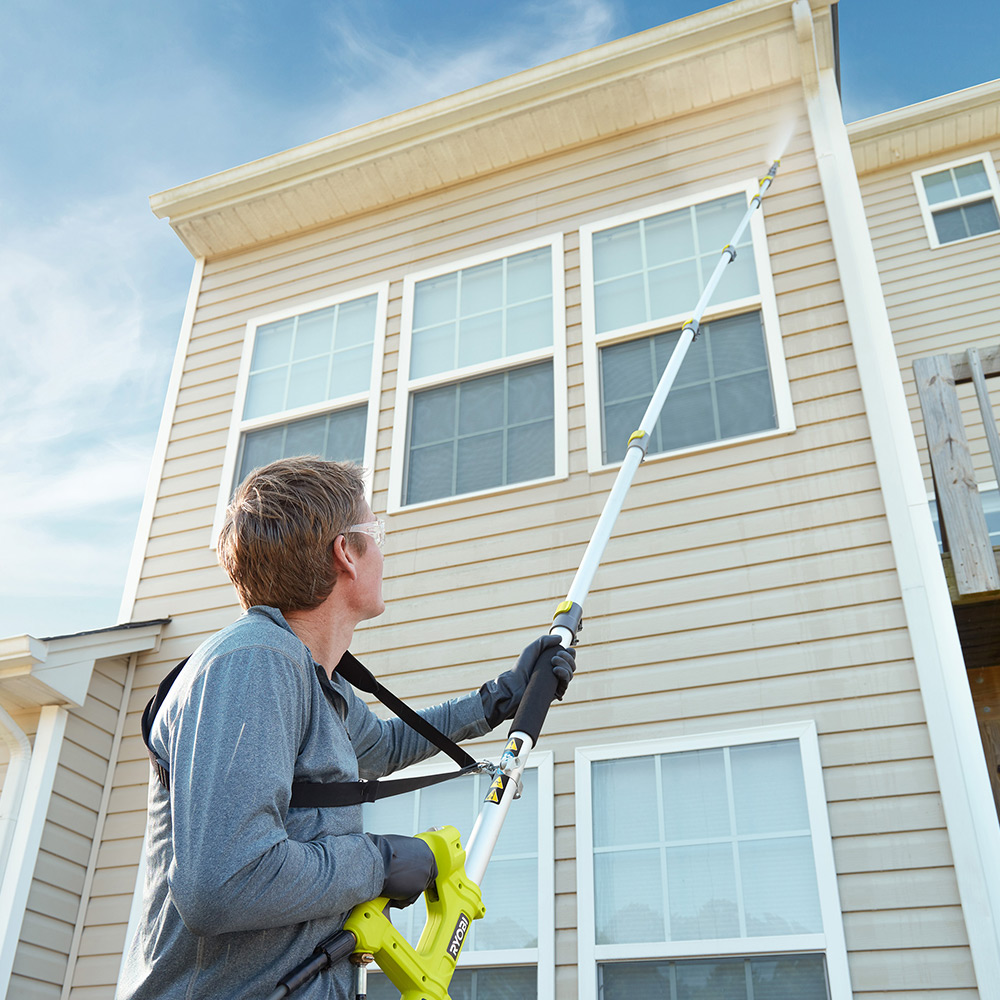
Siding: Cloudy, mild days are ideal for cleaning siding. Direct sunlight can cause cleaning solutions to dry too quickly, leaving streaks. Moderate temperatures prevent damage to the siding material. A gentle breeze can help with drying.
Windows: Moderate temperatures are key for cleaning windows. Extreme heat or cold can cause streaking. Avoid cleaning in direct sunlight, as this will also lead to rapid drying and streaks. A slightly overcast day is perfect.
Decks: Dry conditions are essential for applying sealant or stain to a deck. Moisture can interfere with the adhesion process. Allow the deck to dry completely after rain before starting any cleaning or sealing work.
Driveways: A light rain can actually be helpful for cleaning driveways, as it loosens dirt and grime. However, avoid cleaning during heavy rain or immediately after a downpour. Allow the driveway to dry before using a pressure washer or applying a cleaning solution.
- Siding: Cloudy, mild days
- Windows: Moderate temperatures, overcast
- Decks: Dry conditions
- Driveways: Light rain followed by dry period
Optimal Cleaning Conditions by Task
| Task | Ideal Temperature | Ideal Weather | Notes |
|---|---|---|---|
| Siding | 60°F - 80°F (15°C - 27°C) | Sunny | Avoid direct sunlight during application of cleaning solutions to prevent rapid drying and streaking. |
| Windows | 50°F - 75°F (10°C - 24°C) | Cloudy | Cloudy days minimize glare and allow for better visibility of dirt and streaks. Avoid cleaning in windy conditions. |
| Deck | 55°F - 70°F (13°C - 21°C) | Sunny, with low humidity | Ensure the deck surface is dry before applying any cleaning or sealing products. Avoid cleaning during periods of high humidity as it can hinder drying. |
| Driveway | 45°F - 90°F (7°C - 32°C) | Sunny or Cloudy | Higher temperatures can aid in the effectiveness of cleaning solutions, but avoid cleaning in direct, intense sunlight which can cause solutions to dry too quickly. |
| Patio Furniture | 65°F - 85°F (18°C - 29°C) | Sunny, with a gentle breeze | A gentle breeze helps with drying. Avoid cleaning during pollen season if possible. |
| Gutters | 50°F - 70°F (10°C - 21°C) | Dry | Cleaning gutters is best done when it is dry to safely remove debris. Avoid cleaning during or immediately before anticipated rainfall. |
Illustrative comparison based on the article research brief. Verify current pricing, limits, and product details in the official docs before relying on it.
Preventing surface damage
Smart cleaning isn’t just about maximizing effectiveness; it’s also about preventing damage. Avoiding certain weather conditions can save you costly repairs down the line.
Cleaning during a freeze can crack siding, especially vinyl or aluminum. Water expands when it freezes, and this expansion can cause structural damage. Similarly, power washing in direct sunlight can leave unsightly spots and streaks. The rapid drying can cause minerals in the water to deposit on the surface.
High winds can blow debris onto freshly cleaned surfaces, undoing your hard work. And cleaning during a thunderstorm poses a safety hazard. Lightning strikes are a real risk, and wet surfaces can create electrical hazards.
If you’re unsure about the best way to clean your home’s exterior, or if you’re concerned about potential damage, don’t hesitate to contact Clean Envy. Our professional exterior cleaning services can provide a safe and effective solution for all your cleaning needs. We can assess your home’s specific needs and recommend the best course of action.
No comments yet. Be the first to share your thoughts!