

Robots Arrive: Cleaning in 2026
Cleaning tech used to mean a new sponge. Now, in 2026, artificial intelligence is revolutionizing home cleaning. We've moved past early robotic vacuums to intelligent systems that learn and adapt to your home.
Robot adoption is climbing. The Consumer Technology Association reported a 27% increase in robotic vacuum sales in 2025. This trend is driven by busy lifestyles, the desire for convenience, and the benefits of a consistently clean home.
AI integration is a key advancement. Robots now use sensors and algorithms to map homes, identify obstacles, and learn cleaning preferences, moving beyond simple programmed routes to proactively anticipate cleaning needs.
The market is responding to the potential of AI cleaning. Investment is pouring into this space as companies innovate. This represents a fundamental shift in home cleaning.
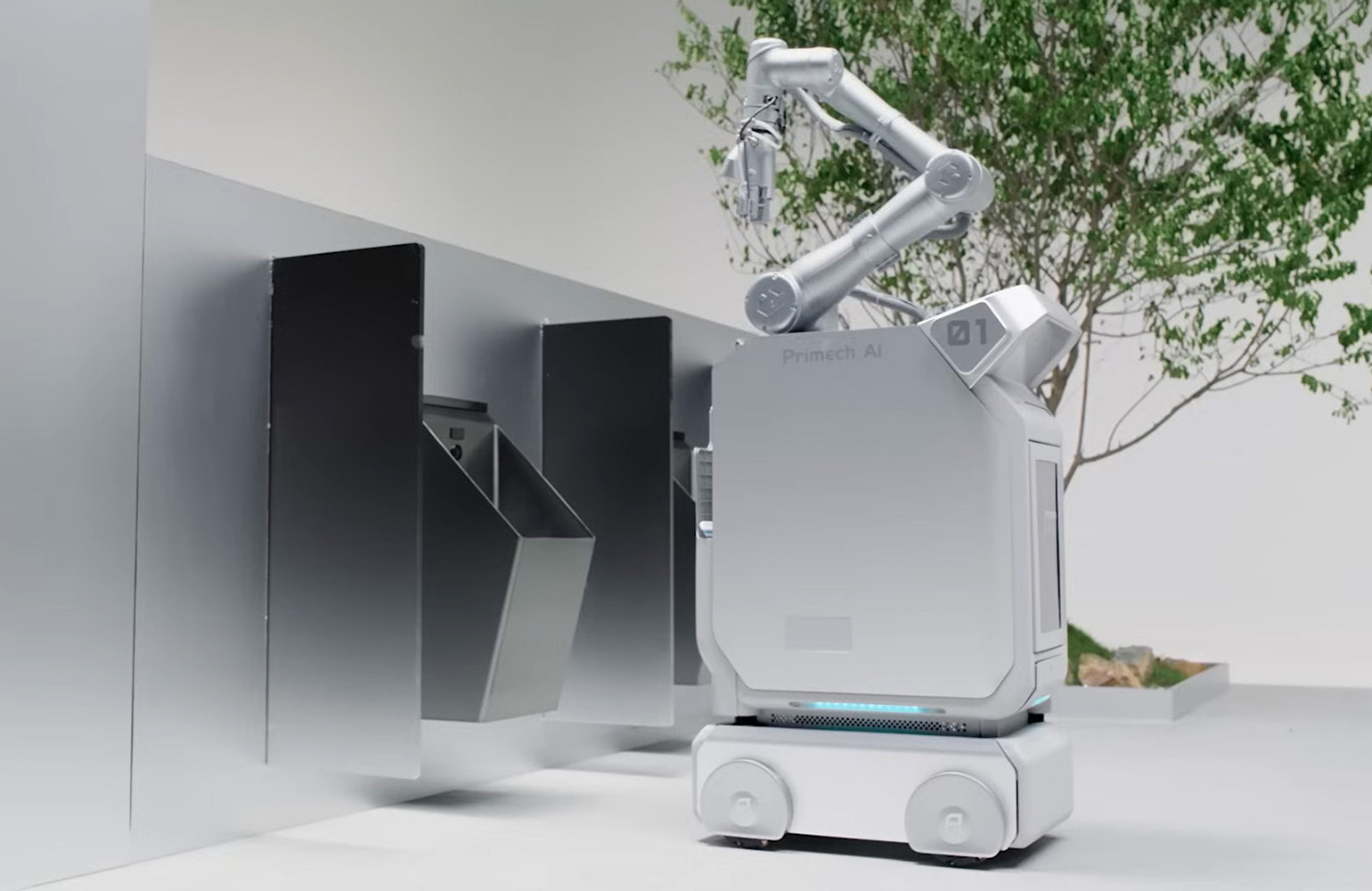
Traditional Cleaning: Still Relevant?
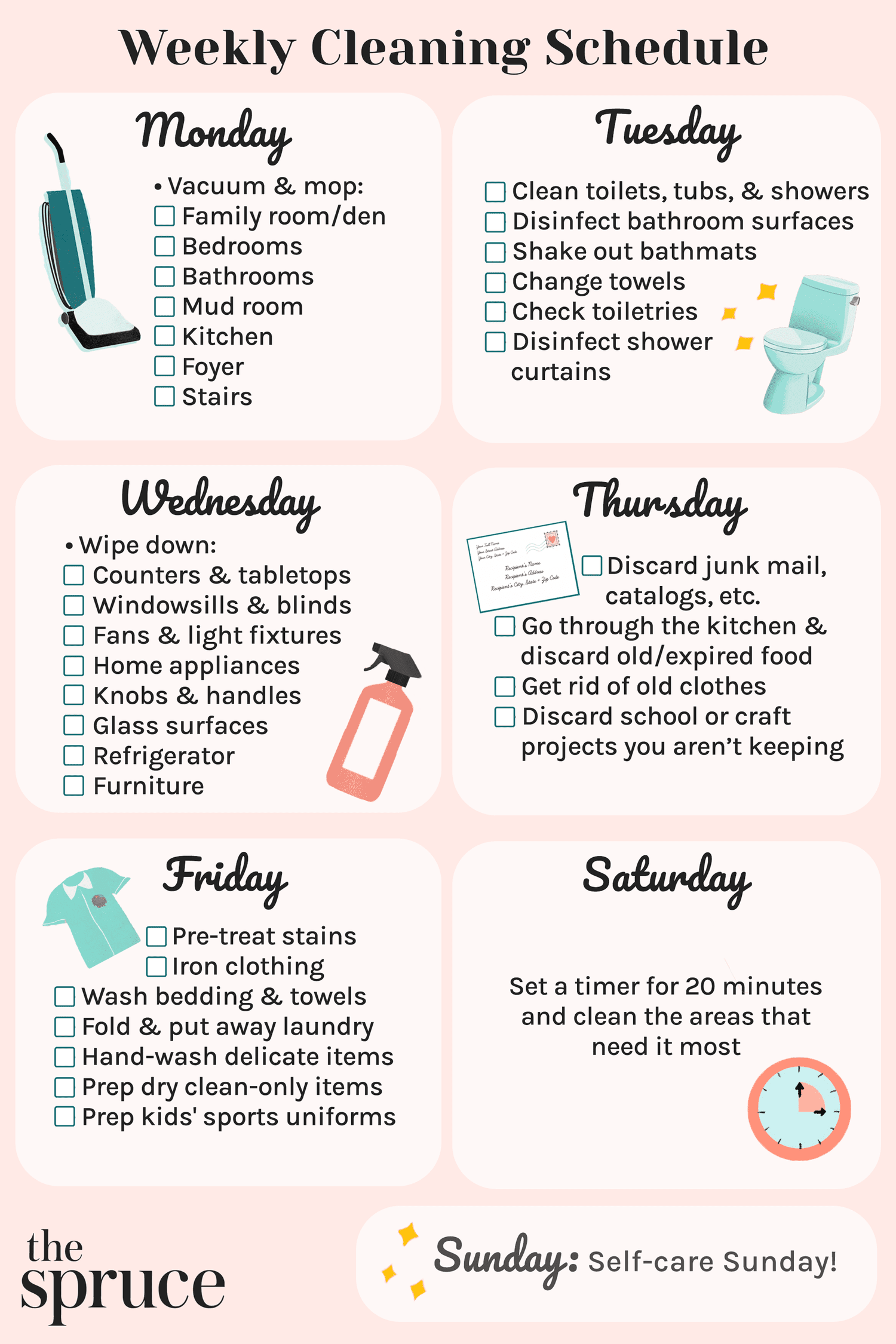
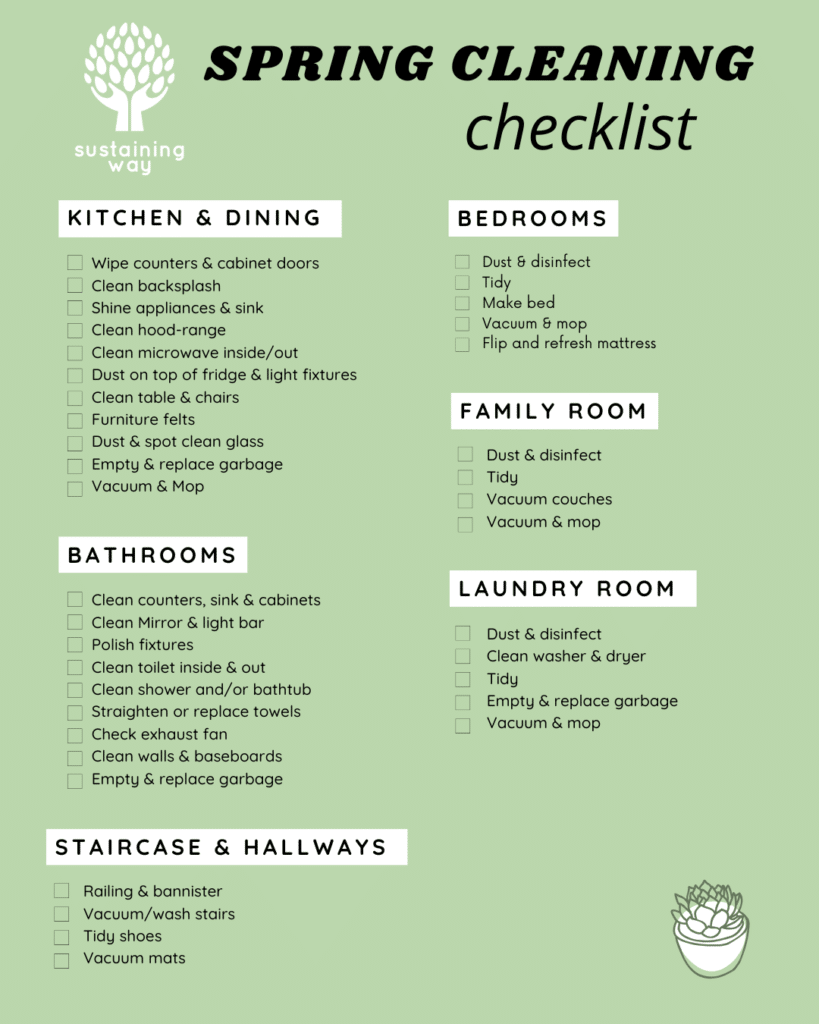
Traditional cleaning methods are still relevant. Despite the rise of robots, tried-and-true methods offer a level of control and satisfaction that robots can't replicate.
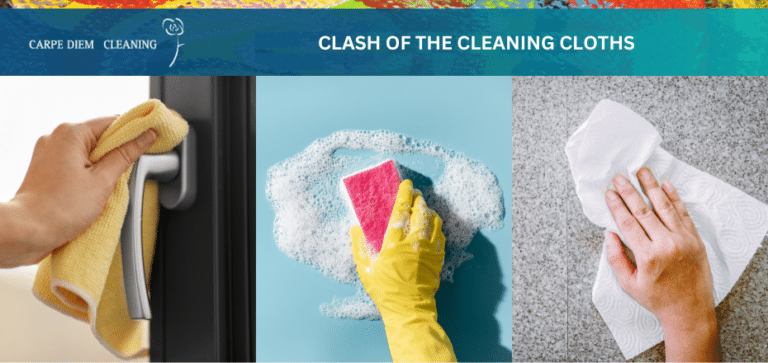
Traditional cleaning is cost-effective. A mop, vacuum, and cleaning solutions are cheaper than a high-end robotic system. Traditional tools also have a longer lifespan with minimal maintenance compared to robots' ongoing expenses for filters and parts.
A deep clean done by hand offers satisfaction. You can focus on specific areas, tackle stubborn stains, and ensure every spot is clean, without worrying about a robot getting stuck or missing areas.
Traditional cleaning requires significant time and physical effort. A vacuum can cost $200-$500, a mop $50-$100, and cleaning solutions $20-$50 per month. The choice depends on priorities and lifestyle.
- Vacuum Cleaner: $200 - $500 (initial cost)
- Mop & Bucket: $50 - $100 (initial cost)
- Cleaning Solutions: $20 - $50/month (ongoing cost)
- Brushes & Sponges: $10 - $20/month (ongoing cost)
Traditional Cleaning Methods vs. AI-Powered Cleaning Robots: A Comparative Overview
| Cleaning Method | Cost | Time Commitment | Physical Effort | Thoroughness | Environmental Impact |
|---|---|---|---|---|---|
| Manual Vacuuming | Medium | Medium to High | Medium to High | Good | Moderate |
| Mopping (Traditional) | Low | Medium to High | Medium to High | Variable | Moderate |
| Surface Disinfecting (Sprays/Wipes) | Low to Medium | Medium | Low to Medium | Good | Moderate to High (depending on product) |
| Dusting (Cloth/Duster) | Low | Medium | Low | Variable | Low |
| Robot Vacuum | Medium to High | Low to Medium | Low | Good | Moderate |
| Robot Mop | Medium to High | Low to Medium | Low | Good | Moderate |
| Automated Window Cleaning Robot | High | Low | Low | Good | Moderate |
| UV Sanitizing Robot | High | Low | Low | Variable (dependent on use case) | Low |
Qualitative comparison based on the article research brief. Confirm current product details in the official docs before making implementation choices.
AI Cleaning Robots: What Can They Do?
AI cleaning robots now do more than vacuum floors. While robotic vacuums remain popular, robotic mops, window cleaners, and bathroom scrubbers are also emerging.
Robots use sensors for navigation. LiDAR maps surroundings for obstacle avoidance and route planning. Cameras identify surfaces and objects, while infrared sensors detect furniture legs and hazards.
Features include zone cleaning for specific areas and no-go zones. Voice control via smart home systems like Alexa and Google Assistant is common, as is multi-floor mapping.
Robots excel at maintaining cleanliness but aren't a substitute for deep cleaning. They can struggle with thick carpets, large debris, or complex floor plans and require human intervention for tasks like emptying dustbins and troubleshooting.
- LiDAR: Creates detailed maps of your home.
- Cameras: Identify surfaces and objects.
- Infrared Sensors: Detect obstacles.
- Zone Cleaning: Focuses cleaning on specific areas.
- No-Go Zones: Prevents access to certain areas.
The Cleaning Product Equation
Cleaning products are essential for both traditional and robotic cleaning, but usage varies. Robots require solutions designed for them; harsh chemicals can damage internal components.
Manufacturers often recommend their own cleaning solutions, but third-party options exist. Always check the robot's manual for compatibility to avoid voiding the warranty. Dilution ratios are also important.
The demand for eco-friendly and non-toxic cleaning products aligns with both traditional and robotic cleaning. The Washington State Department of Health offers resources on safe cleaning practices. Plant-based cleaners reduce exposure to toxins and protect the environment.
For traditional cleaning, concentrated solutions and reusable bottles minimize waste. For robots, consider the environmental impact of disposable pads; reusable pads are a more sustainable option. Evaluate the entire lifecycle of your cleaning routine.
Robot Cleaning: Do's & Don'ts
- Do: Dilute cleaning solutions as recommended by both the robot manufacturer (e.g., iRobot Roomba, Roborock) *and* the solution’s label. Overly concentrated solutions can damage sensors or leave residue.
- Do: Use robot-friendly floor cleaners. Brands like Bona offer specific formulations designed for use with robotic mops, minimizing the risk of damage or streaking.
- Don't: Use abrasive cleaners like scouring powders (e.g., Comet, Bar Keepers Friend) near your robot. These can scratch the robot’s exterior and potentially damage internal components if tracked inside.
- Don't: Employ oil-based cleaners, waxes (e.g., Pledge), or polishes. These leave a residue that can interfere with the robot’s navigation sensors and wheel traction.
- Do: Regularly clean your robot’s sensors, brushes, and dustbins as outlined in the user manual. A clean robot performs more efficiently.
- Don't: Use bleach or ammonia-based cleaners. These harsh chemicals can corrode the robot’s materials and release harmful fumes.
- Do: Consider enzyme-based cleaners (e.g., Nature's Miracle) for pet messes. These break down organic matter and are generally safe for robot use when diluted.
Robot Maintenance & Troubleshooting
Robots require regular maintenance. Common issues include brushroll tangles, sensor errors, and battery problems. Proactive upkeep can prevent many of these problems.
Basic maintenance includes cleaning brushes, emptying the dustbin after each use, and replacing filters as recommended. Regularly checking sensors for obstructions is also important.
For complex issues, consult the robot's manual or manufacturer's website for troubleshooting tips. Online support resources like FAQs, video tutorials, and live chat are often available. Robots often have diagnostic routines.
Robot components have a limited lifespan; batteries and brushes will need replacement. Budget for these costs. Address problems promptly to avoid more significant repairs.
Cost Breakdown: Long-Term Value
The initial investment for an AI cleaning robot ranges from $300 to $1500+. Ongoing expenses include replacement filters ($20-$50/year), brushes ($30-$80/year), and electricity.
Traditional cleaning has a lower initial investment, but ongoing supply costs add up. Consider the value of your time; robots can free up hours spent cleaning each week.
undefinedmaintained robot can potentially save you money in the long run, especially if you value your time and are willing to invest in a high-quality model. Consider the cost of professional cleaning services as well – a robot could be a more cost-effective alternative.
Ultimately, the decision comes down to your budget, your lifestyle, and your priorities. A detailed cost analysis, considering both initial and ongoing expenses, is essential before making a purchase. Don't forget to factor in the potential for time savings and the convenience of automated cleaning.
Top Robot Vacuums & Mops for 2026
Predicting the "best" robots for 2026 is tricky, but based on current trends and upcoming releases, here are a few models that are likely to be popular. These represent a range of price points and features.
iRobot Roomba j7+: (Estimated $600 - $800) This model continues to be a strong contender, known for its advanced object recognition and self-emptying base. It’s particularly good at avoiding obstacles and navigating complex floor plans. Its learning capabilities are impressive.
Roborock S8 Pro Ultra: (Estimated $1200 - $1500) A premium option with exceptional suction power and advanced mopping capabilities. It features a self-emptying dock that also washes and dries the mop. It’s a comprehensive cleaning solution.
Ecovacs Deebot X2 Omni: (Estimated $1000 - $1300) This robot stands out for its all-in-one cleaning station, which automatically empties the dustbin, washes the mop, and refills the water tank. It also boasts impressive navigation and obstacle avoidance.
Shark AI Ultra Robot Vacuum: (Estimated $400 - $600) A more affordable option that still delivers excellent cleaning performance. It features AI-powered navigation and a self-emptying base. A great choice for those on a budget.
Narwal Freo: (Estimated $800 - $1000) Focused heavily on mopping, the Freo utilizes a unique cleaning system that effectively removes dirt and grime. It's a standout for hard floor cleaning, and the self-cleaning base is a major plus.
Samsung Jet Bot AI+: (Estimated $900 - $1200) Samsung's entry into the high-end robot market. Features a built-in camera for remote monitoring and a powerful suction system. Integration with Samsung's smart home ecosystem is seamless.
Featured Products

Self-emptying base for hands-free disposal · Smart navigation for efficient cleaning paths · Renewed Premium condition
This AI-powered robot vacuum offers advanced navigation and automated features to streamline your cleaning routine, providing a modern alternative to traditional methods.

Combines vacuuming and mopping with auto-drying and self-washing · Powerful 6000Pa suction and sonic mopping technology · Advanced obstacle avoidance and self-refilling/emptying capabilities
This AI-powered robot vacuum and mop offers advanced navigation, intelligent obstacle avoidance, and automated features to streamline your cleaning routine, providing a modern alternative to traditional methods.

2-in-1 robot vacuum and mop for carpets and hard floors · Sonic mopping and powerful suction for pet hair · Self-empty base with 60-day capacity and LiDAR navigation
This AI-powered robot vacuum and mop offers advanced navigation, intelligent obstacle avoidance, and automated features to streamline your cleaning routine, providing a modern alternative to traditional methods.

8,000 Pa suction power with dual auto-lifting mops · AI obstacle avoidance and automatic mop washing/drying · Self-emptying and self-refilling capabilities
This AI-powered robot vacuum and mop offers advanced navigation, intelligent obstacle avoidance, and automated features to streamline your cleaning routine, providing a modern alternative to traditional methods.

Automatic emptying with a Clean Station · Precision cleaning with intelligent power control · 5-layer filtration system for cleaner air
This AI-powered robot vacuum offers advanced navigation, intelligent obstacle avoidance, and automated features to streamline your cleaning routine, providing a modern alternative to traditional methods.
As an Amazon Associate I earn from qualifying purchases. Prices may vary.
Future Trends: What’s Next?
The future of AI-powered cleaning is bright. We can expect to see continued advancements in robot technology, with a focus on more sophisticated sensors, improved navigation, and specialized cleaning tasks. Imagine robots that can not only vacuum and mop but also dust furniture, clean windows, and even scrub bathrooms.
One area of development is multi-functional robots. We’re likely to see robots that can seamlessly switch between vacuuming, mopping, and other cleaning tasks. This would eliminate the need for multiple robots and simplify the cleaning process. Another trend is the development of more personalized cleaning routines, with robots learning your specific preferences and adapting to your lifestyle.
The possibility of fully automated cleaning systems is also on the horizon. Imagine a network of robots working together to handle all aspects of home cleaning, from vacuuming and mopping to dusting and scrubbing. This would free up even more of your time and allow you to focus on other things.
However, it’s important to remain realistic. While these advancements are promising, they’re still several years away. The biggest challenges include improving robot dexterity, reducing costs, and ensuring data privacy. But the momentum is building, and the future of home cleaning is undoubtedly automated.

No comments yet. Be the first to share your thoughts!