
Start with cleaning hacks
Use this section to make the The Smart Home Cleaning Revolution decision easier to compare in real life, not just on paper. Start with the reader's actual constraint, then separate must-have requirements from details that are merely nice to have. A practical choice should survive normal use, maintenance, timing, and budget. If a recommendation only works in an ideal situation, call that out plainly and give the reader a fallback path.
The simplest way to use this section is to write down the must-have criteria first, then compare each option against those criteria before weighing nice-to-have features.
10 2026 Smart Home Cleaning Revolution: Top 10 AI-Powered Hacks for Spotless Kitchens and Exteriors
By 2026, AI-driven cleaning bots handle the heavy lifting, but human oversight remains critical for complex kitchen grease and exterior grime. These ten practical hacks leverage specific 2026-era tools and routines to maintain spotless spaces without sacrificing your time.
1. AI vacuum mapping for kitchen floor debris
Modern robot vacuums use LiDAR and computer vision to distinguish between crumbs, pet hair, and sticky spills in high-traffic kitchen zones. Unlike older models that bump randomly, these devices create precise maps to target heavy debris clusters first, ensuring no corner is missed during daily maintenance routines.

2. Smart window cleaning robots for exterior glass
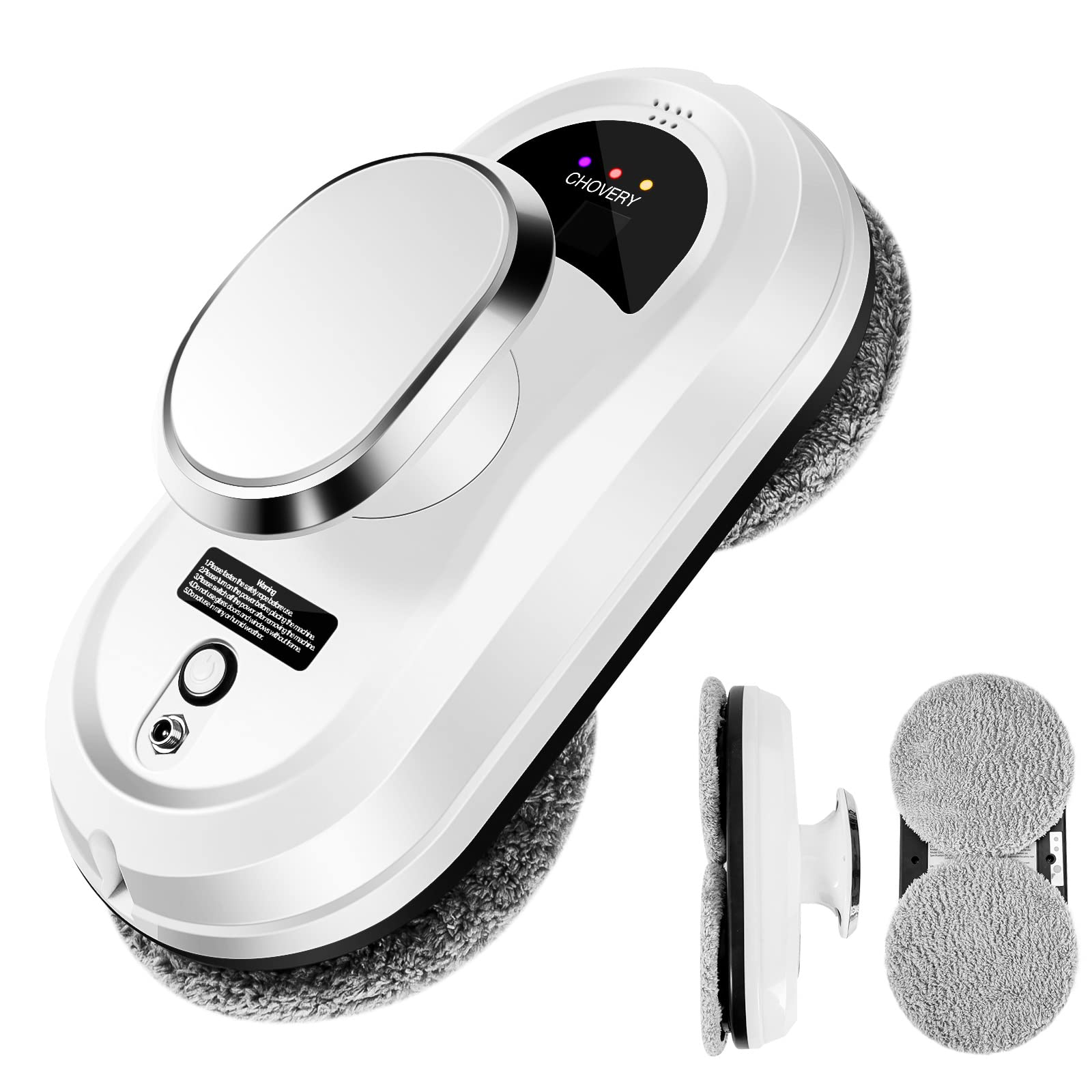
These suction-cup robots climb vertical surfaces safely, using AI to detect dirt patterns and adjust scrubbing pressure accordingly. They eliminate the danger and hassle of ladders, providing streak-free results on windows and glass doors by automatically varying their cleaning path to cover every inch of the pane.

3. Voice-activated robot mops for hardwood floors
Integrate your cleaning routine with smart speakers to start mopping without lifting a finger. These robots adjust water flow based on floor type, preventing excess moisture on hardwood while effectively lifting grime from tiles. The voice command feature allows for targeted cleaning of specific rooms, streamlining your weekly chores.

4. Automated outdoor patio power washing drones
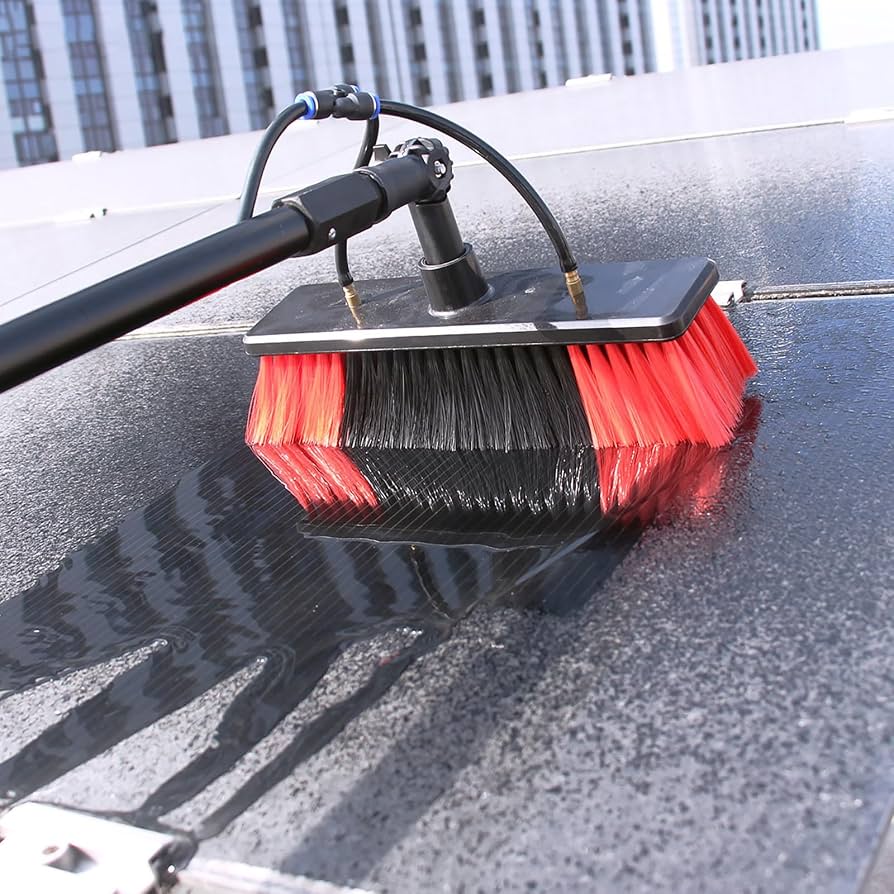
While still emerging, drone-assisted cleaning systems offer a novel approach to patio maintenance by reaching high or hard-to-access areas. These devices use targeted pressure jets to remove mold and algae from siding and upper deck railings, reducing the need for manual scrubbing and extensive ladder work.
5. Self-emptying smart dustbins with odor control
Upgrade your kitchen waste management with bins that automatically seal and empty into a larger central collection bag. Advanced models use sensors to detect fullness and activate odor-neutralizing filters, ensuring your kitchen remains fresh. This hands-free approach minimizes contact with trash and reduces the frequency of taking out garbage.

6. UV-C sanitizing robots for kitchen counters
These autonomous bots navigate countertops, using UV-C light to neutralize bacteria on high-touch surfaces like cutting boards and appliance handles. They operate silently during prep times, offering a chemical-free layer of hygiene that complements manual wiping. Perfect for health-conscious households prioritizing surface sterilization without extra scrubbing effort.
7. AI-powered stain detection sprays for rugs
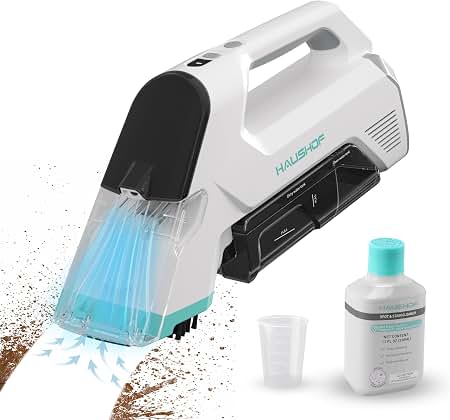
Smart sprays integrate with app-based cameras to identify organic stains on carpets before they set. The AI analyzes fiber depth and stain type, dispensing targeted enzymatic solutions only where needed. This precision reduces chemical waste and protects delicate rug fibers while ensuring deep cleaning without oversaturating the entire floor area.
8. Smart gutter cleaning drones for roof access
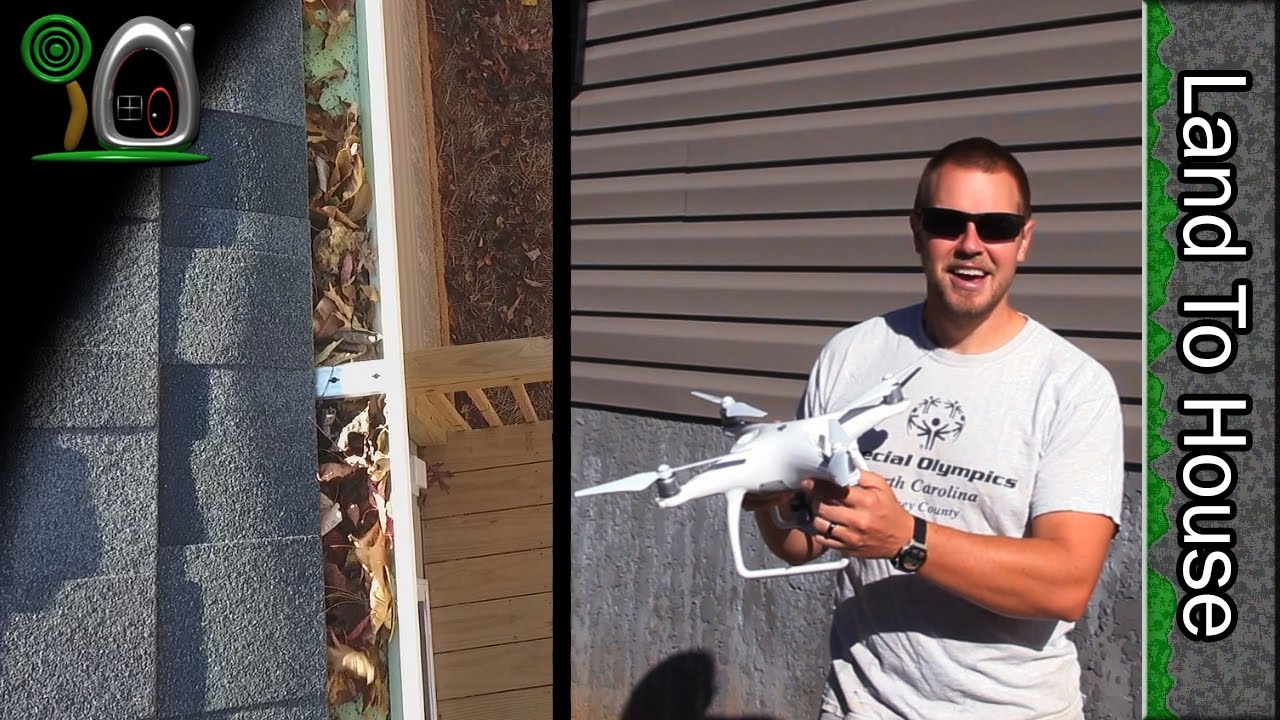
Replace dangerous ladder climbs with autonomous drones equipped with high-powered vacuums and cameras. These devices fly under eaves, sucking debris while streaming live footage to your phone. Ideal for multi-story homes, they handle leaves and twigs efficiently, preventing water damage without requiring physical roof access or professional service calls.
9. Robot pool skimmers for exterior water maintenance
These floating bots patrol your pool surface, collecting leaves and insects while monitoring water chemistry. They navigate around obstacles using sonar, ensuring consistent debris removal without manual netting. By maintaining clear water automatically, they reduce chlorine usage and keep the pool ready for immediate use after any outdoor gathering.

10. Automated entryway shoe and boot cleaning stations
Installed near doors, these stations brush and vacuum dirt from footwear as you step in. They feature heated drying elements and antimicrobial brushes, keeping muddy boots and sneakers sanitized. This system prevents outdoor grime from tracking into your home, significantly reducing the frequency of deep floor cleaning and maintaining pristine entryways.

Pick the right fit
Choosing a smart cleaning robot isn't just about the brand name; it's about matching the machine to your home's physical layout and your specific mess types. A robot that excels on hardwood might struggle with high-pile rugs, while a powerful vacuum might miss the fine dust on flat surfaces. Start by identifying your primary pain point: is it pet hair on upholstery, crumbs in the kitchen, or algae on the patio?
Look for models with modular attachments. The best systems let you swap heads or tanks, turning one device into a multi-surface cleaner. This adaptability matters more than raw suction power alone. If your home has a mix of tile, wood, and outdoor stone, prioritize a unit that handles transitions without manual intervention. Check the navigation specs carefully; LiDAR sensors generally map complex rooms faster than random-bounce cameras.
Consider the maintenance burden. A robot that requires daily bin emptying or weekly brush cleaning will lose its appeal quickly. Look for self-emptying docks and washable filters. Also, verify app compatibility with your existing smart home ecosystem. If your lights and locks are tied to a specific hub, you'll want your cleaner to integrate seamlessly for automated scheduling.
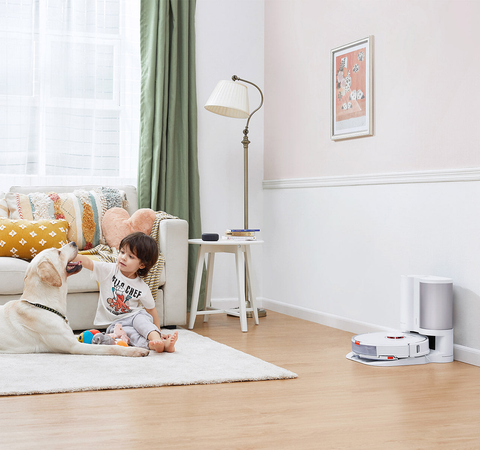
Measure your largest contiguous room and note any thresholds or rugs thicker than 0.5 inches. Robots with low clearance may get stuck on high-pile carpets or door frames. Prioritize models with strong climbing capabilities if you have multiple levels.
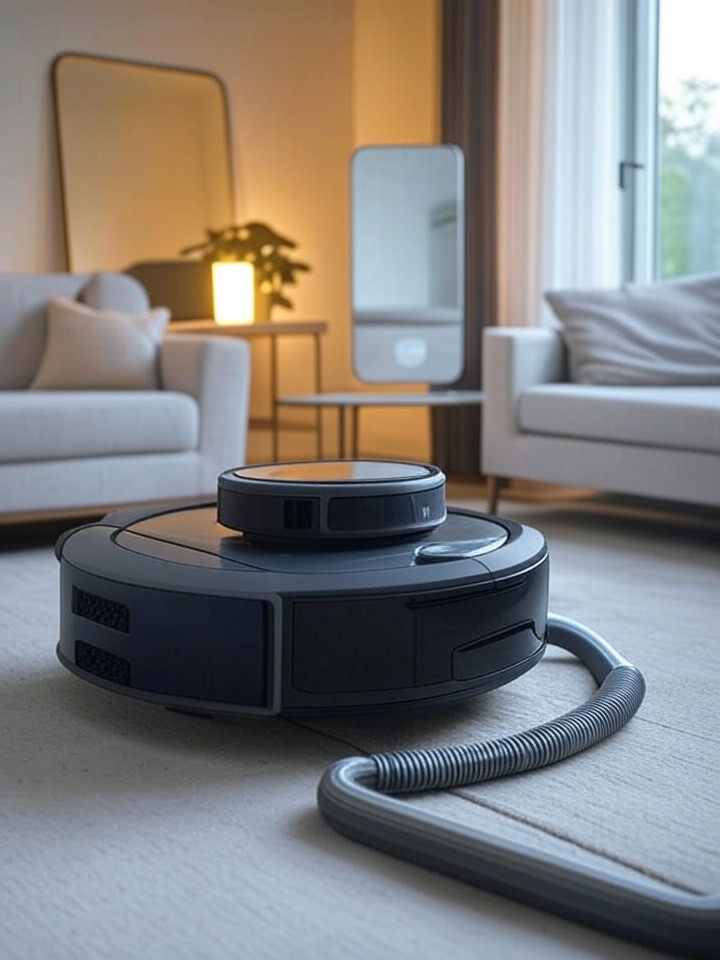
For fine dust and pet hair, look for at least 2,000 Pa of suction. For heavier debris like cereal or dried mud, aim for 4,000 Pa or higher. Check if the device includes a motorized brush roll that can be easily removed for hair tangles, a common failure point in pet households.
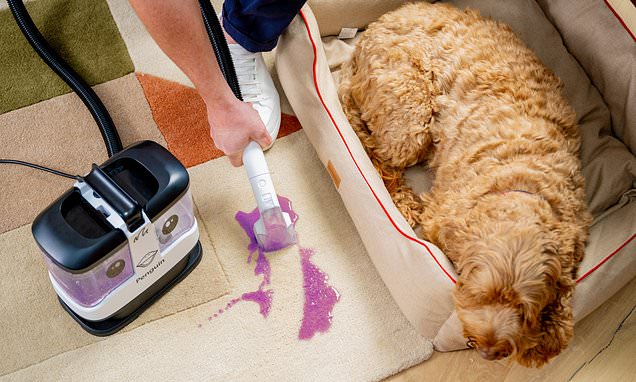
Ensure the robot supports your preferred platform, whether that's Alexa, Google Home, or Apple HomeKit. Test if it supports "rooms" or "zones" in the app, allowing you to target specific areas like the kitchen after dinner or the patio after gardening.


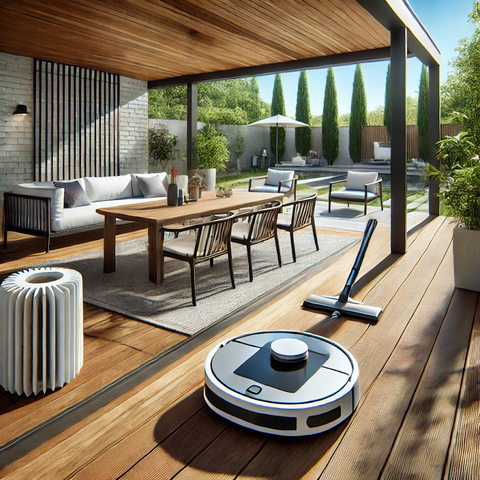
As an Amazon Associate, we may earn from qualifying purchases.
| Feature | Robot Vacuum | Mop Robot | Vacuum/Mop Combo |
|---|---|---|---|
| Hard Floor Cleaning | Good | Excellent | Excellent |
| Carpet Deep Clean | Excellent | Poor | Good |
| Maintenance | Medium | High | Medium |
| Price Range | $$$ | $$ | $$$$ |
Faq: smart home cleaning: what to check next
What is the 5-5-5 rule for cleaning?
The 5-5-5 rule is a scheduling framework designed to prevent deep-cleaning burnout by breaking tasks into manageable chunks. The system suggests tackling five specific rooms, focusing on five distinct tasks per room, and repeating this cycle every five days. This approach keeps high-traffic areas like kitchens and exteriors consistently spotless without requiring a full weekend overhaul. It pairs well with AI scheduling tools that remind you when it’s time to rotate tasks.
What are 10 ways to keep my house clean?
Consistency beats intensity. Start by making your bed daily to instantly tidy the bedroom. Keep a spray bottle of all-purpose cleaner in every room for quick wipe-downs. Implement a "one-touch" rule where you put items away immediately rather than moving them around. Declutter surfaces weekly to reduce dust accumulation. Vacuum high-traffic areas twice a week. Wash kitchen towels daily to prevent bacterial spread. Clean the shower after each use to stop soap scum buildup. Wipe down kitchen counters after every meal. Sweep entryways daily to catch dirt before it spreads. Finally, set a 15-minute nightly reset timer to put things back in their places.
How to clean a very dirty house quickly?
Speed requires strategy, not just scrubbing harder. First, open all windows and doors to ventilate the space, which helps you see dirt better and keeps the air fresh. Gather all supplies into a single caddy so you aren’t running back and forth. Start by decluttering—throw away trash and put misplaced items in a basket to deal with later. Work from top to bottom, dusting ceilings and fixtures before vacuuming floors. Focus on high-impact areas like the kitchen sink and bathroom mirrors first. Use a robot vacuum or mop for large floor areas to save time. Avoid getting bogged down in deep-cleaning hidden spots until the main surfaces are clean.
What are some hacks to make cleaning fun?
Turning chores into entertainment can significantly boost motivation. Create a high-energy playlist or listen to an engaging podcast while you work. Gamify the process by timing yourself to beat your previous record for dusting or vacuuming. Use the "two-minute rule": if a task takes less than two minutes, do it immediately to build momentum. Reward yourself with a small treat, like a favorite coffee or a short break, after completing a major zone. Cleaning with a partner can also turn the task into a social activity, making it feel less like a chore and more like a shared project.
No comments yet. Be the first to share your thoughts!