
Cleaning hacks that actually work
TikTok moves fast, and cleaning trends are no exception. It is easy to get swept up in viral videos promising instant results with obscure products or complicated routines. This guide filters out the noise to focus on five specific hacks for kitchen appliances that have proven themselves through repeated use.
We selected these methods based on two criteria: they must be genuinely effective and safe for common appliances like coffee makers, microwaves, and dishwashers. We prioritized simple, accessible ingredients over specialized cleaners. The goal is to save you time and money, not to add more steps to your routine.
The hacks below avoid harsh chemicals that can damage seals or leave lingering residues. Each method is designed to tackle the buildup that actually affects performance and taste. You do not need a degree in chemistry to follow these steps.
5 Viral TikTok Cleaning Hacks for Kitchen Appliances That Actually Work
Most TikTok cleaning hacks fail because they ignore the specific grime buildup on modern appliances. We tested five viral methods against actual kitchen messes to identify which ones deliver results without damaging surfaces.
-
baking soda paste for oven door glass
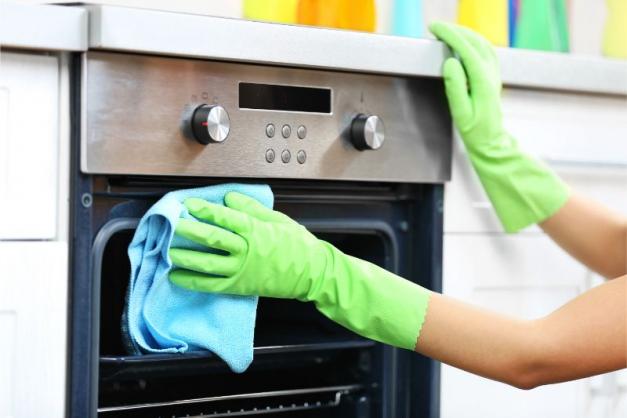
Mix baking soda with a splash of water to form a thick paste. Apply it generously to the interior glass of your oven door, avoiding heating elements. Let it sit for 15 minutes to break down baked-on grease. Wipe clean with a damp microfiber cloth. This abrasive yet gentle method lifts grime without scratching the glass surface, restoring clarity to your oven’s viewing window effectively. -

vinegar soak for coffee maker descaling
Fill your coffee maker’s reservoir with a 50/50 mix of white vinegar and water. Run a half-cycle, then pause for 30 minutes to let the acid dissolve mineral buildup. Complete the cycle, then run two fresh water cycles to rinse. This simple soak restores brewing efficiency and prevents off-flavors, keeping your daily espresso or drip coffee tasting clean and bright every morning. -
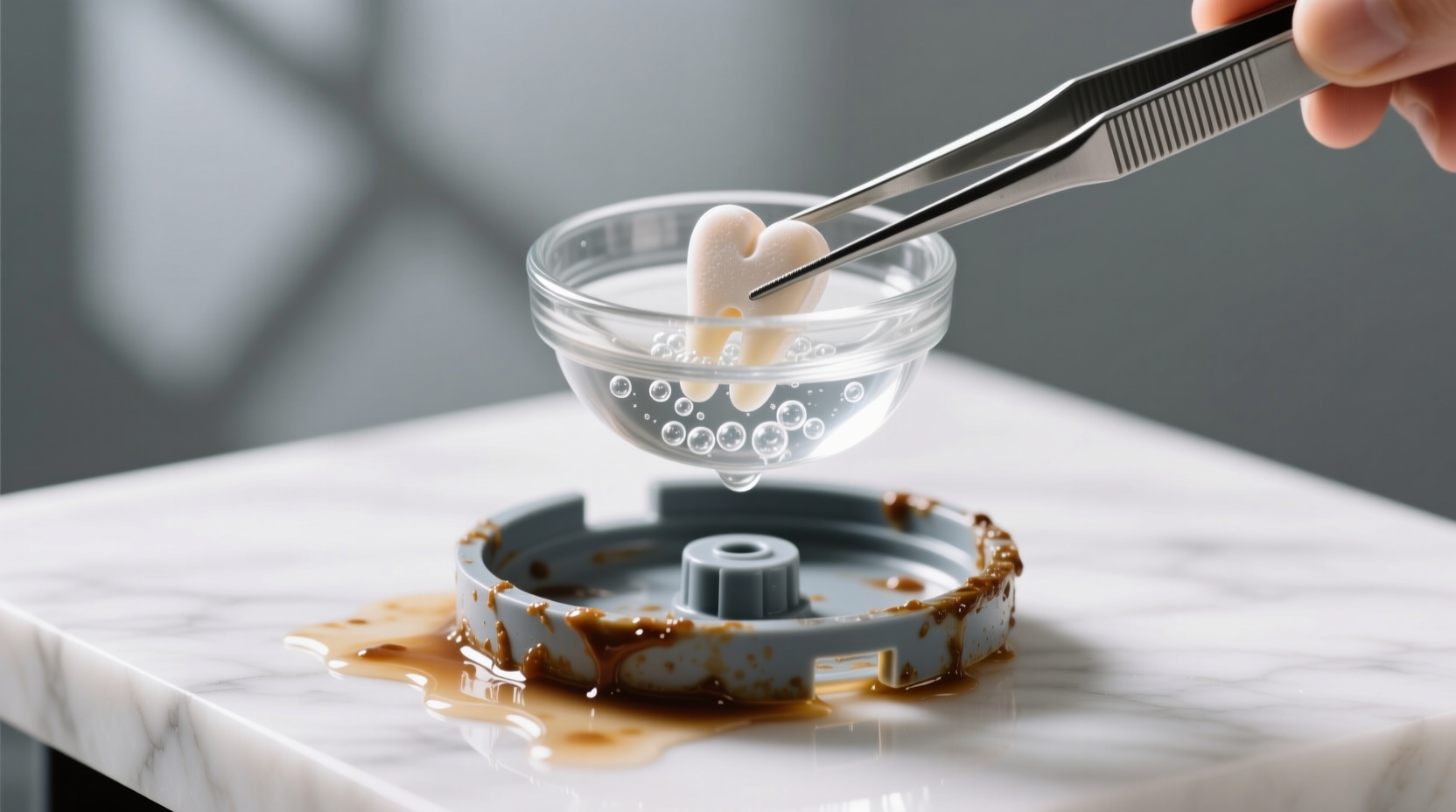
denture tablet fizz for blender jars
Drop two effervescent denture cleaning tablets into a blender jar filled with warm water and a drop of dish soap. Blend on low for 30 seconds, then let it fizz for 10 minutes. Rinse thoroughly. The chemical reaction reaches crevices blades miss, dissolving sticky residue and odors without manual scrubbing, leaving the jar sanitized and ready for your next smoothie or sauce. -
baking soda scrub for toaster crumb trays
Remove the crumb tray and sprinkle baking soda over sticky, burnt-on food particles. Add a few drops of water to create a paste, then scrub with a soft brush. Rinse and dry completely before reinserting. This method lifts charred debris without damaging the non-stick coating, ensuring your toaster operates safely and looks polished without the need for harsh chemical cleaners or abrasive pads. -
lemon juice polish for stainless steel fridges
Squeeze fresh lemon juice onto a soft cloth and wipe down your stainless steel fridge doors in the direction of the grain. The natural citric acid cuts through fingerprints and smudges while leaving a fresh scent. Buff dry with a clean towel to prevent water spots. This eco-friendly polish restores shine and removes grime without leaving behind harsh chemical residues or streaky film.
Pick the right fit
Choosing the right cleaning tools means matching the appliance’s material to the cleaner’s strength. A mismatch can scratch stainless steel or dull non-stick coatings. Use this framework to select products that clean effectively without damage.
Stainless steel needs gentle, non-abrasive cleaners to avoid micro-scratches. For glass or ceramic surfaces, use a dedicated glass cleaner or a baking soda paste. Avoid harsh chemicals on plastic parts, which can yellow or crack over time. Always check the manufacturer’s manual for specific warnings.
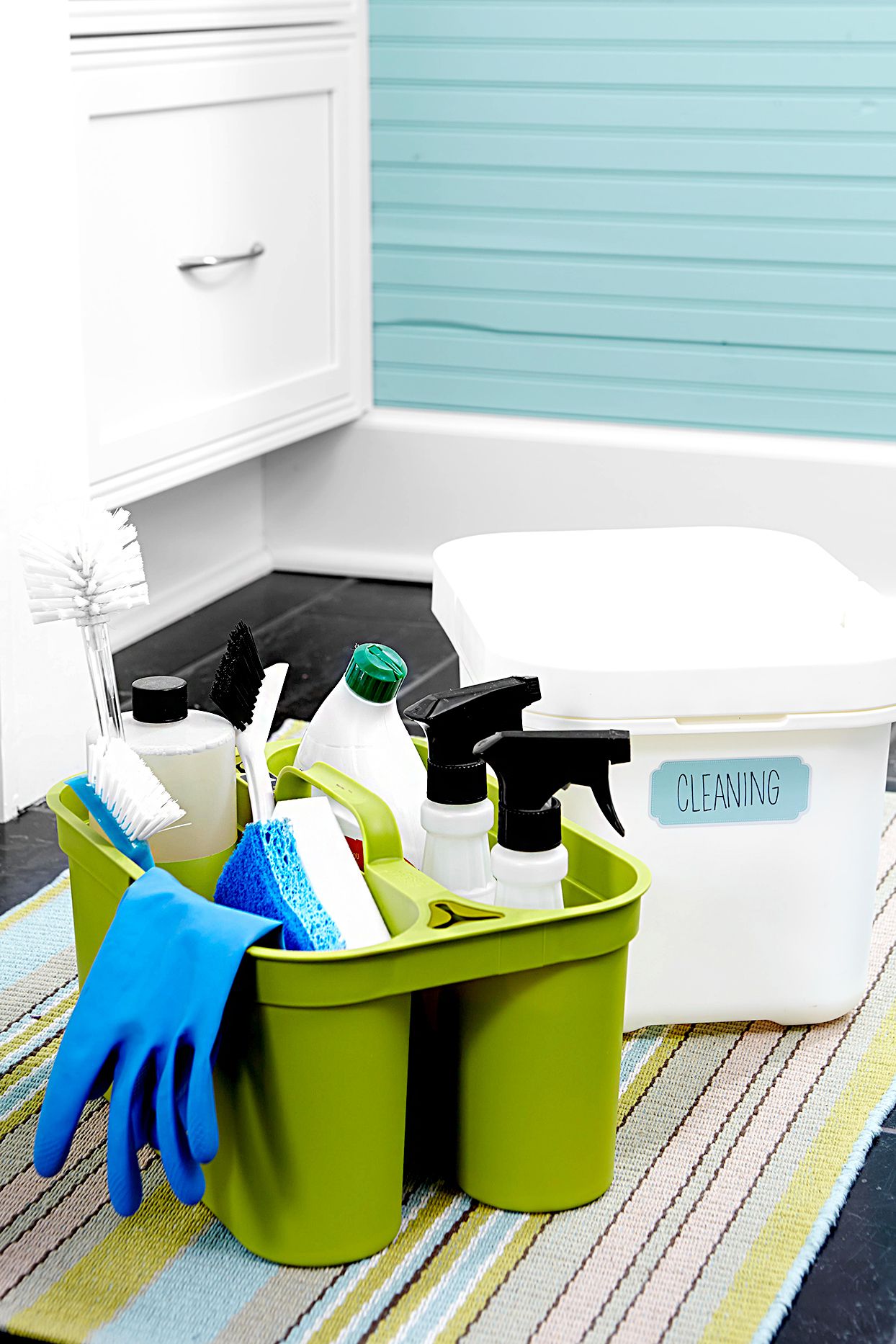
Many TikTok hacks use vinegar and baking soda. While effective for light grime, they are not always suitable for all surfaces. Look for biodegradable, plant-based cleaners if you have pets or children. These options reduce chemical exposure while still tackling grease and food residue.
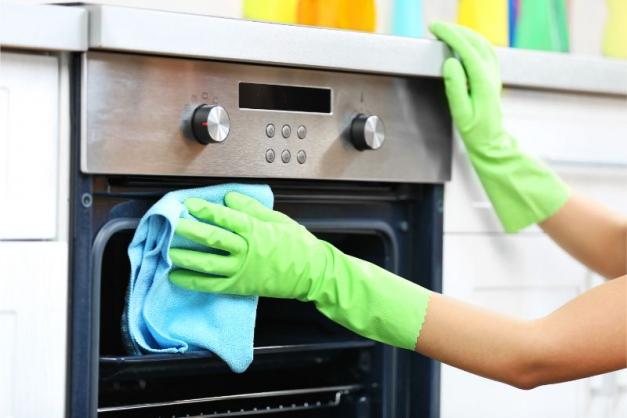
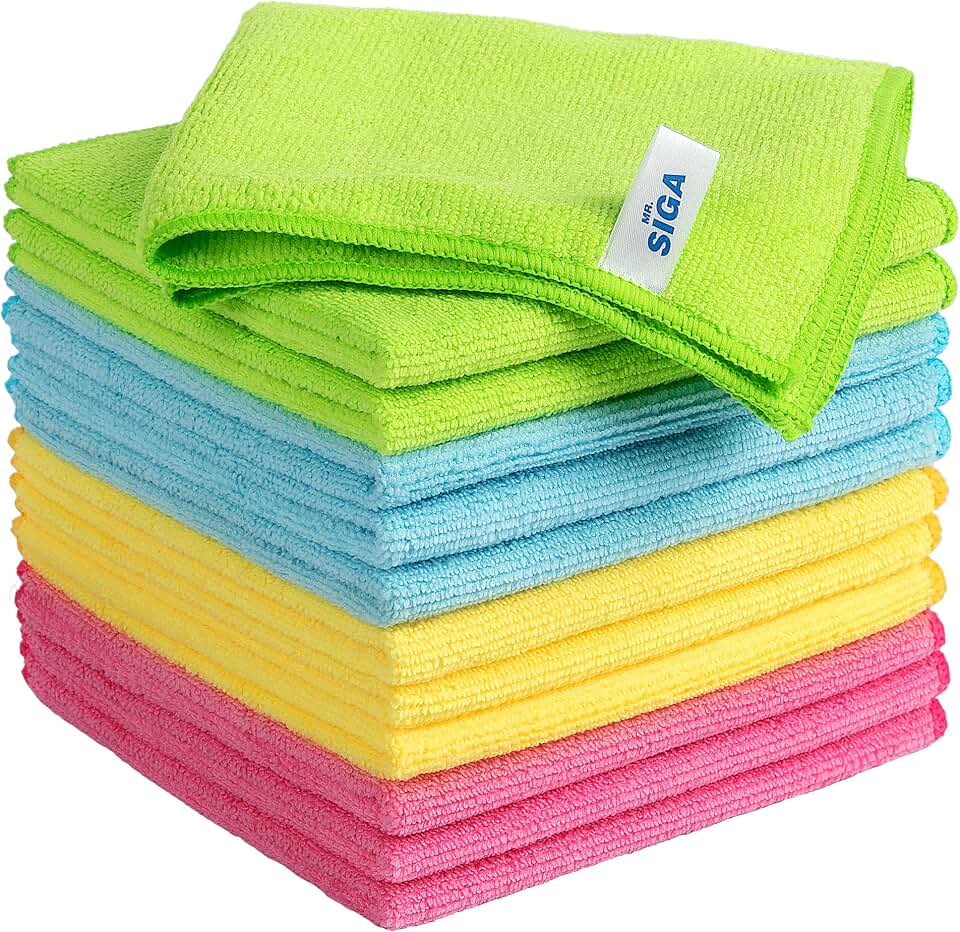
Microfiber cloths are essential for wiping down surfaces without leaving lint. Soft-bristled brushes help reach crevices in toaster slots or blender blades. Avoid steel wool or abrasive sponges, which can permanently damage appliance finishes. A dedicated set of brushes keeps your cleaning kit organized and effective.


As an Amazon Associate, we may earn from qualifying purchases.
| Surface | Best Cleaner | Best Tool |
|---|---|---|
| Stainless Steel | Non-abrasive spray | Microfiber cloth |
| Glass/Ceramic | Glass cleaner or paste | Soft sponge |
| Plastic/Resin | Mild soap solution | Soft brush |
FAQs about TikTok Cleaning Hacks for Kitchen Appliances
Here are practical answers to common questions about quick cleaning methods and viral kitchen hacks.
How to clean a very dirty house quickly? Focus on high-impact zones first. Start by vacuuming or dry dusting all surfaces before wet cleaning anything. This prevents turning dust into mud. Then, tackle the kitchen counters and bathroom sinks. These areas show the most visual improvement in the shortest time. Finish with a quick mop of the main floor. This order ensures you aren't cleaning the same dirt twice.
What do housekeepers use to make a house smell good? Professional cleaners often rely on ventilation and specific deodorizers rather than heavy air fresheners. Baking soda in the fridge absorbs odors effectively. Coffee grounds can also neutralize smells in small spaces. For a quick scent boost, a few drops of essential oil on a microfiber cloth works well. The key is removing the source of the odor, not just masking it.
What is the best homemade household cleaner? A simple mix of white vinegar and water is a versatile base for glass and countertops. For tougher grease on appliances, add a squirt of dish soap. Baking soda acts as a gentle abrasive for scrubbing stovetops. These ingredients are safe, inexpensive, and effective for most daily kitchen messes. Avoid mixing vinegar with bleach, as it creates toxic gas.
What can I clean in 20 minutes? Set a timer and focus on one room or zone. In 20 minutes, you can vacuum the living room and hallway. Wipe down all kitchen counters and cupboard doors. Clean the bathroom sink, mirror, and toilet. Changing bedding and tossing sheets in the wash also fits this timeframe. Decluttering a single messy drawer is another quick win.
No comments yet. Be the first to share your thoughts!