

Start with cleaning hacks
This list focuses on practical, eco-friendly methods for maintaining kitchen appliances without relying on harsh chemicals. The seven hacks below were selected based on homeowner feedback and community-tested techniques that balance effectiveness with safety. We prioritized methods that use common household ingredients—like vinegar, baking soda, and lemon—over specialized commercial products. Each hack targets a specific appliance or surface, ensuring you can tackle grime, odors, and buildup where they matter most.
The selection process favored solutions that are accessible, low-cost, and safe for regular use. We avoided overly complex procedures or ingredients that require special handling. Instead, we looked for straightforward routines that fit into a typical cleaning schedule. Whether you are dealing with a stained coffee maker or a grimy toaster, these tips offer reliable results without the need for toxic cleaners.
7 Eco-Friendly Hacks for Spotless Kitchen Appliances
These seven eco-friendly hacks cut down on harsh chemicals while keeping your appliances looking brand new. From baking soda pastes to vinegar solutions, each method offers a practical, low-waste alternative to traditional cleaners.
1. Olive oil and lemon polish for stainless steel
Mix equal parts extra virgin olive oil and fresh lemon juice in a small bowl. Apply the blend to your stainless steel fridge or dishwasher with a soft microfiber cloth, rubbing gently in the direction of the metal’s grain. The oil nourishes the surface while the citric acid cuts through light fingerprints and smudges without leaving harsh chemical residues. Buff with a dry cloth for a streak-free shine that protects against future spotting.
2. Enzyme cleaner for garbage disposal deodorizing
Pour a packet of enzyme-based disposal cleaner into your drain and let it sit overnight. Unlike bleach, which only masks odors, enzymes biologically digest the organic sludge and food particles clinging to the disposal blades and pipes. This natural breakdown eliminates the source of the smell rather than covering it up. Rinse with cold water in the morning to flush away the dissolved debris, leaving your kitchen smelling fresh without toxic fumes.
3. Citric acid descaling for coffee makers
Dissolve two tablespoons of food-grade citric acid in four cups of water. Run a brew cycle with this solution, letting it pause halfway through to soak the internal tubes. Citric acid is gentler on rubber seals than vinegar and effectively dissolves mineral buildup without leaving a sour aftertaste. Run two cycles of plain water afterward to rinse completely.
4. Baking soda paste for oven interiors
Make a thick paste using baking soda and a small amount of water. Spread it generously over the interior surfaces of your cold oven, avoiding heating elements. Let it sit for at least 12 hours to break down baked-on grease. Wipe away the paste with a damp cloth; stubborn spots can be gently scrubbed with a non-abrasive sponge. The residual baking soda helps neutralize any lingering odors.
5. Vinegar soak for kettle limescale
Fill your electric kettle with equal parts white vinegar and water. Bring the mixture to a boil and let it sit for 15–20 minutes. The acetic acid dissolves calcium carbonate deposits (limescale) that reduce heating efficiency. Pour out the solution and rinse the kettle thoroughly with fresh water before boiling a fresh batch to ensure no vinegar taste remains.
6. Lemon steam for microwave cleaning
Place a microwave-safe bowl filled with water and several lemon slices inside. Microwave on high for 3–5 minutes until the water boils and the window is steamed up. Let it sit for another 5 minutes to loosen dried food splatters. The steam softens the grime, and the lemon scent neutralizes odors. Simply wipe the interior with a clean cloth; most debris should come off easily.
7. Hydrogen peroxide for cutting board sanitizing
Spray hydrogen peroxide (3%) generously over wooden or plastic cutting boards after use. Let it bubble for a few minutes to kill bacteria and remove stains. Rinse with warm water and stand the board upright to dry completely. This method is particularly effective for removing color from berries or turmeric without the need for harsh bleach solutions.
Pick the right fit
Choosing eco-friendly cleaning tools means balancing effectiveness with environmental impact. The best products remove grease and grime without leaving behind persistent chemical residues or single-use waste. Use this framework to evaluate options before buying.

Look for third-party labels like EPA Safer Choice, Green Seal, or USDA Certified Biobased. These certifications verify that ingredients meet strict safety and sustainability standards, preventing greenwashing claims.

Prioritize products in refillable glass, aluminum, or post-consumer recycled plastic. Avoid single-use plastics whenever possible. Concentrated tablets or powders that you mix with water in your own bottle significantly reduce shipping weight and plastic waste.
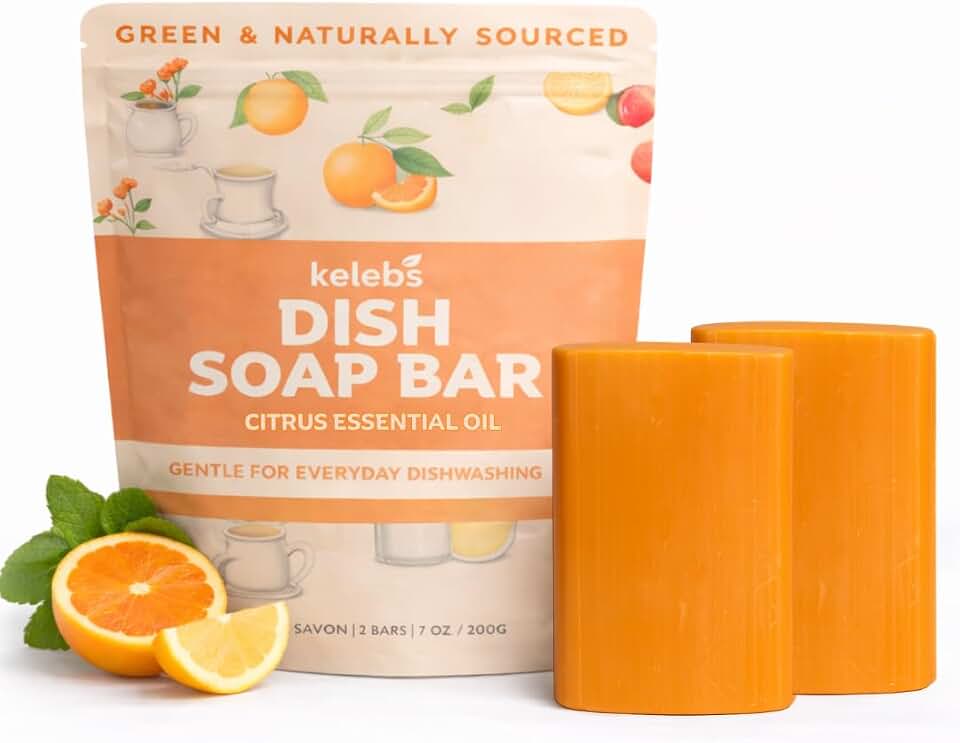
Choose brands that list all ingredients, including fragrances. Synthetic fragrances often contain phthalates, which can linger in indoor air. Plant-based essential oils or unscented options are safer for households with pets or allergies.


As an Amazon Associate, we may earn from qualifying purchases.
No comments yet. Be the first to share your thoughts!