
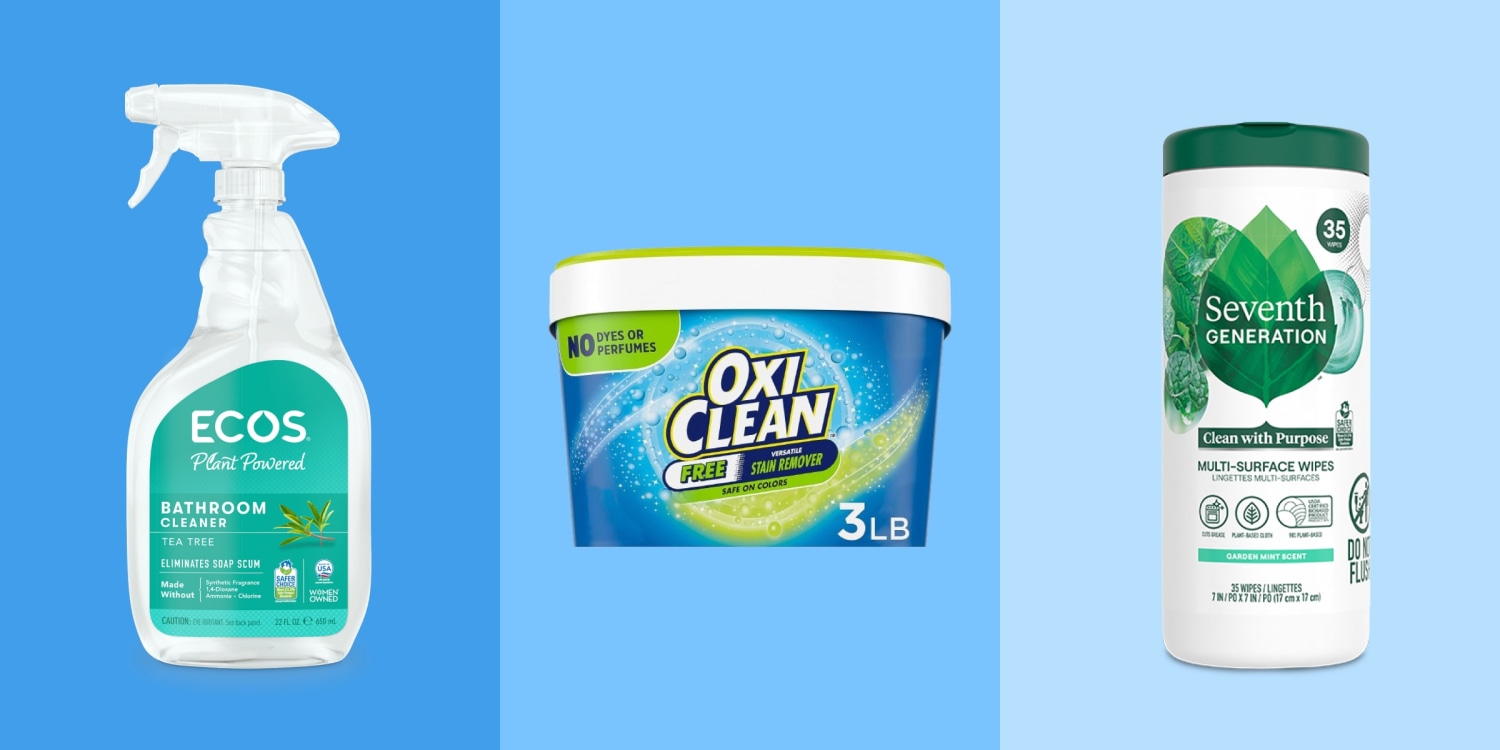

Why green cleaning matters now
The shift toward non-toxic, eco-friendly cleaning solutions for kitchens and exteriors is no longer just a niche preference; it is a practical response to health and environmental concerns. Traditional cleaners often rely on harsh chemicals like ammonia and bleach, which can linger in the air and on surfaces. Green alternatives use plant-based ingredients that break down safely, reducing the risk of respiratory irritation and skin contact issues without sacrificing cleaning power.
For kitchens, where food preparation happens daily, this distinction is critical. Residual chemicals from conventional sprays can transfer to dishes, utensils, and countertops. Eco-friendly options ensure that the surfaces where you eat are free from synthetic residues. Similarly, exterior cleaning products that run off into soil and waterways can harm local ecosystems. Biodegradable formulas minimize this impact, protecting gardens and local water sources from toxic runoff.
The effectiveness of modern green cleaners has improved significantly. Formulations now include enzymes and citric acid that tackle grease, grime, and mineral deposits just as well as their chemical counterparts. This means you do not have to compromise on cleanliness to make a healthier choice for your home and the planet. Choosing these solutions supports a cleaner indoor environment and reduces the chemical load on the broader environment.
Best all-purpose eco cleaners
These all-purpose cleaners replace multiple bottles on your cleaning caddy. They handle kitchen counters, bathroom sinks, and exterior patio furniture with the same formula. We prioritized plant-based surfactants and biodegradable ingredients that cut through grease without leaving toxic residues.
EPA Safer Choice certified products offer a reliable baseline for non-toxic cleaning. Look for formulas that list specific plant-derived ingredients rather than vague "natural fragrances." These products work well on stainless steel, sealed stone, and painted wood surfaces when used as directed.
AmazonProductGrid showcases the most versatile options available for immediate purchase. These selections balance cleaning power with environmental safety, ensuring your home stays clean without compromising indoor air quality.


As an Amazon Associate, we may earn from qualifying purchases.
When using these products, remember that plant-based enzymes may require slightly longer contact time than harsh chemicals. Spray the surface and let it sit for thirty seconds before wiping. This simple step ensures the eco-friendly ingredients have time to break down dirt and grease effectively.
Deep cleaning kitchen appliances
Use this section to make the Best Eco-Friendly Cleaning Solutions for Kitchens and Exteriors decision easier to compare in real life, not just on paper. Start with the reader's actual constraint, then separate must-have requirements from details that are merely nice to have. A practical choice should survive normal use, maintenance, timing, and budget. If a recommendation only works in an ideal situation, call that out plainly and give the reader a fallback path.
The simplest way to use this section is to write down the must-have criteria first, then compare each option against those criteria before weighing nice-to-have features.
Eco options for home exteriors
Use this section to make the Best Eco-Friendly Cleaning Solutions for Kitchens and Exteriors decision easier to compare in real life, not just on paper. Start with the reader's actual constraint, then separate must-have requirements from details that are merely nice to have. A practical choice should survive normal use, maintenance, timing, and budget. If a recommendation only works in an ideal situation, call that out plainly and give the reader a fallback path.
The simplest way to use this section is to write down the must-have criteria first, then compare each option against those criteria before weighing nice-to-have features.
How to choose safe cleaning products
Choosing eco-friendly cleaners requires looking past green packaging and marketing buzzwords. The label is your first line of defense against greenwashing. Start by checking for third-party certifications like EPA Safer Choice or Green Seal. These independent audits verify that a product meets strict health and environmental standards, rather than just relying on the manufacturer's own claims.
Next, scrutinize the ingredient list. Avoid products with hidden fragrances, which can mask volatile organic compounds (VOCs) and cause respiratory irritation. Look for plant-based surfactants and biodegradable formulas. If a product claims to be "non-toxic" but lists unknown proprietary blends, it is safer to skip it.
Finally, consider the packaging. Glass or aluminum bottles are infinitely recyclable, whereas mixed-material plastics often end up in landfills. Prioritize brands that offer refill stations or concentrated tablets to reduce water weight and shipping emissions. A simple checklist can help you evaluate these factors quickly before purchase.
Common eco-cleaning: what to check next
Many people worry that switching to green products means compromising on clean. The reality is that modern eco-friendly formulas have closed the gap on tough kitchen grease and exterior grime. You can maintain a spotless home without harsh chemical residues.
Here are the most frequent questions about switching to sustainable cleaning solutions.
No comments yet. Be the first to share your thoughts!