
Why green cleaning matters now
Skip the harsh chemicals. These 10 plant-based cleaning hacks tackle tough appliance grime and exterior stains using safe, accessible ingredients.
The shift toward eco-smart cleaning isn't just about avoiding fumes; it's about reclaiming control over what touches our homes. Traditional cleaners often rely on volatile organic compounds that linger in the air and leave behind residues that attract more dust. By switching to plant-based solutions, we reduce indoor air pollution and protect the surfaces we clean every day.
This guide moves beyond vague promises of "natural" products. We focus on practical, visual guides that show exactly how to use common household items like vinegar, baking soda, and castile soap to tackle specific problems. Whether it's a greasy stovetop or a stained patio, the right technique matters more than the brand name.
The following sections break down the most effective methods for appliances and exteriors. Each hack is designed to be visual and actionable, ensuring you can see the difference before you start scrubbing.
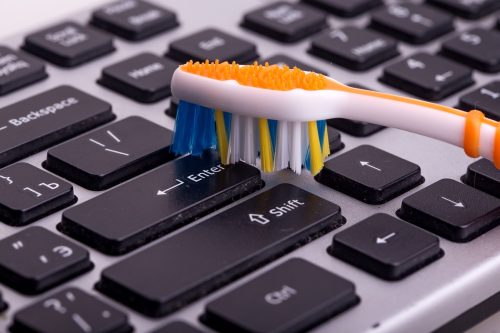
10 Eco-Smart Cleaning Hacks for Appliances and Exteriors
Frustrated by stubborn grease on your stove or dull siding that repels water? These 10 eco-smart cleaning hacks for appliances and exteriors target common symptoms with immediate, non-toxic fixes. Follow the visual steps below to restore shine and efficiency without harsh chemicals.
1. Polish stainless steel with olive oil
2. Deodorize fridge with coffee grounds
3. Sanitize disposal with lemon peels
4. Scrub grout with baking soda paste
5. Unclog drains with vinegar and soda
6. Clean oven glass with lemon juice
Stubborn carbon rings on oven doors resist standard sprays. Slice two lemons in half and rub the cut side directly onto the cooled glass surface. Let the citric acid sit for twenty minutes to break down the grease. Wipe firmly with a damp microfiber cloth. The natural enzymes lift grime without harsh fumes, leaving the window sparkling and safe for your family.
7. Brighten siding with soap and water
Faded exterior walls often accumulate dirt and mildew over time. Mix a bucket of warm water with a few drops of mild dish soap. Use a soft-bristle brush to gently scrub the siding in upward strokes, working from the bottom up to prevent streaks. Rinse thoroughly with a garden hose. This simple routine restores brightness without damaging paint or harming nearby plants.
8. Remove hard water stains with vinegar
White crusty deposits on showerheads signal mineral buildup from hard water. Fill a plastic bag with white vinegar and secure it around the fixture using a rubber band. Allow the acidic solution to soak overnight, dissolving the calcium and magnesium deposits. Remove the bag and scrub lightly with an old toothbrush. Rinse with warm water to reveal a clear, functional showerhead.
9. Polish brass fixtures with salt and lemon
Tarnished brass doorknobs lose their luster quickly in humid environments. Sprinkle coarse salt onto a cut lemon half to create an abrasive paste. Rub the mixture gently over the brass surface in circular motions. The salt provides gentle abrasion while the lemon acid removes oxidation. Wipe clean with a soft cloth to restore a warm, shiny finish without toxic chemicals.

10. Clean windows with vinegar and cornstarch
Streaky window panes often result from residue left by commercial cleaners. Combine one cup of white vinegar with two tablespoons of cornstarch in a spray bottle. Shake vigorously to dissolve the starch completely. Spray onto the glass and wipe with a lint-free cloth in an S-pattern. The cornstarch absorbs excess moisture and prevents streaks, ensuring crystal-clear views without chemical residues.
Watch a quick cleaning demo
Seeing the technique in motion helps clarify the pressure and angle needed for stubborn grime. This video breaks down the process of making a baking soda and dish soap paste, showing exactly how to apply it to grout lines and use a spin brush for deep cleaning.
Your eco-cleaning supply checklist
Before tackling stubborn grease on your dishwasher or grime on your patio, gather these seven essentials. You likely have most of them in your pantry. This minimal kit replaces harsh chemicals with safe, effective tools for every eco-smart cleaning hack in this guide.
Keep soft brushes handy for scrubbing appliance vents and outdoor furniture crevices without scratching surfaces. Microfiber cloths trap dust and bacteria better than paper towels, making them reusable and waste-free. With this simple setup, you are ready to clean efficiently and sustainably.
Quick checklist
-
Match the sizeMake sure the cleaning hacks option fits your household, storage space, and normal batch size.
-
Check the materialChoose a material that handles heat, washing, and regular use without becoming a chore.
-
Plan the cleanupAvoid anything that needs more maintenance than you are likely to give it.
-
Keep one fallbackHave a simple backup option for rushed days.
No comments yet. Be the first to share your thoughts!