


Smart tools for daily kitchen cleaning
Automated cleaning devices have moved beyond novelty status to become essential infrastructure for modern kitchens. The goal is simple: remove the friction from daily maintenance so you can focus on cooking rather than scrubbing. By delegating repetitive tasks like floor vacuuming and surface sanitizing to smart devices, you create a baseline of cleanliness that requires minimal human intervention.
Robot vacuums with mopping capabilities are the most impactful entry point. Models like the Roborock S7+ use sonic vibration to scrub floors, tackling sticky spills and dried-on messes that standard suction misses. These devices navigate under cabinets and islands, areas often neglected during manual cleaning. Integrating them into a daily schedule ensures that crumbs and dust never accumulate to the point where a deep clean is necessary.
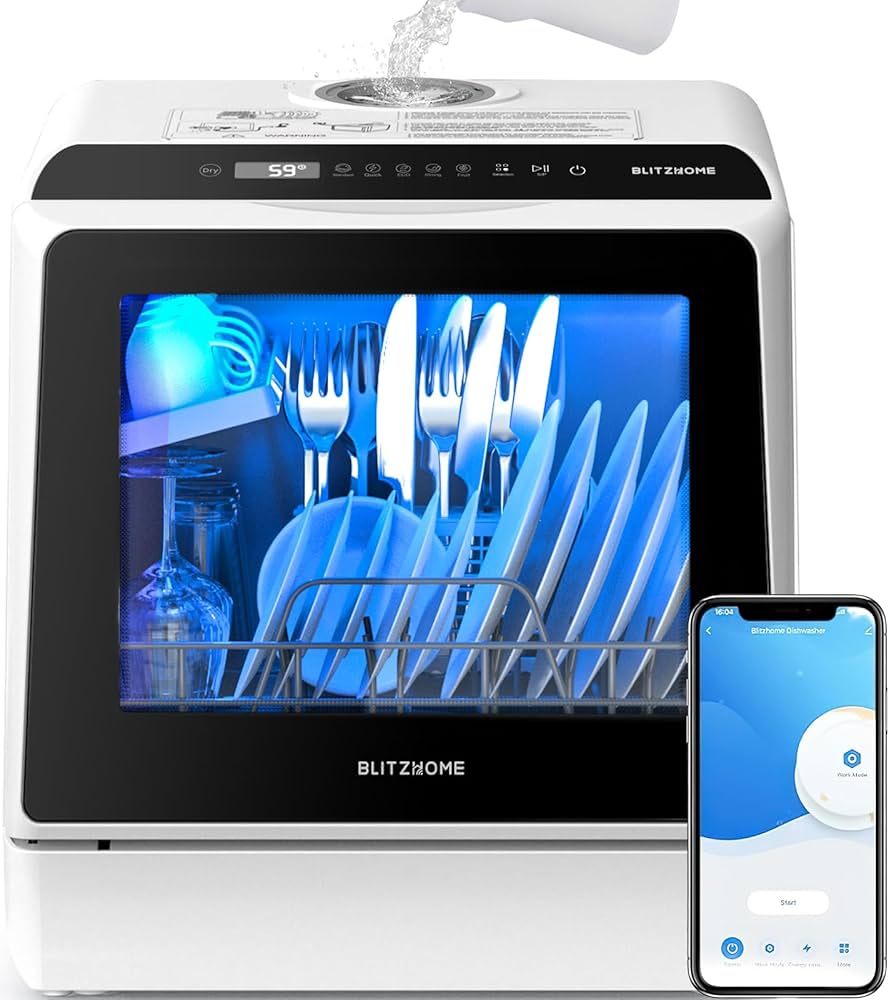
Beyond floors, countertop sanitizers and smart dishwashers with auto-open drying features reduce the time spent on post-meal cleanup. While traditional hacks like baking soda pastes remain useful for occasional deep cleans, the foundation of a low-effort kitchen relies on automation handling the daily grind. Investing in reliable hardware means your kitchen stays sanitary with just a few taps on a phone app.
As an Amazon Associate, we may earn from qualifying purchases.
Proven hacks for appliance maintenance
Keeping appliances clean prevents buildup that shortens their lifespan and affects food quality. These targeted maintenance routines use common household items or specific tools to tackle grease, odors, and grime before they become permanent problems.
Refrigerator
Coffee grounds are a natural deodorizer for fridges. Place an open box or bowl of used grounds on a shelf to absorb odors without leaving a coffee scent behind. For the interior surfaces, a mixture of warm water and mild dish soap works best for removing spills. Avoid harsh chemicals that can linger on shelves and drawers. If your fridge has a water filter, replace it every six months to ensure clean ice and water.
Oven
For a deep clean without harsh fumes, use the oven’s self-cleaning cycle if available. If not, sprinkle baking soda over the interior surfaces, add a little water to form a paste, and let it sit overnight. The next day, wipe it away with a damp cloth. For stubborn spots, a spray bottle of white vinegar helps lift the residue. Always ensure the oven is cool before starting this process.
Microwave
Steam cleaning is the easiest way to loosen splatters. Fill a microwave-safe bowl with water and a few slices of lemon or a tablespoon of vinegar. Heat it on high for three to five minutes until the window steams up. Let it sit for another two minutes, then carefully remove the bowl and wipe the interior with a sponge. The steam softens dried food, making it easy to remove without scrubbing.


![Amazon Basics Microfiber Cleaning Cloths, Ultra Absorbent, Lint Free, Streak Free, Non-Abrasive, Reusable and Washable, 16" x 12", Blue/White/Yellow, Pack of 24 [Amazon-developed Certification] Compact by Design](https://m.media-amazon.com/images/I/91WjG1lqmLL._AC_UL960_QL65_.jpg)
As an Amazon Associate, we may earn from qualifying purchases.
Exterior cleaning with modern tech
Smart tools have transformed exterior maintenance from a backbreaking chore into a streamlined workflow. Modern gadgets like telescopic water-fed poles and robotic lawn mowers handle the heavy lifting, while new chemical formulations break down grime without harsh scrubbing. These innovations save time and reduce the physical strain of maintaining your home’s outer shell.
The Tineco Vacuum Mop: A Revolution in Home Cleaning
Choosing the right equipment depends on your specific exterior needs. Below is a comparison of common smart exterior cleaning tools to help you decide which fits your maintenance routine best.
| Tool | Best For | Power Source | Price Range |
|---|
For those who prefer hands-on product recommendations, these tools consistently rank high for durability and ease of use in exterior cleaning tasks.


As an Amazon Associate, we may earn from qualifying purchases.
Essential supplies for every hack
The difference between a tedious chore and a quick cleanup often comes down to having the right tools in hand. While vinegar and baking soda form the chemical backbone of many natural cleaning solutions, their effectiveness relies heavily on the application method. You need versatile, durable supplies that can handle everything from delicate glass to heavy-duty grime without leaving scratches or streaks.
Start with high-quality microfiber cloths. Unlike cotton rags that just push dirt around, microfiber uses split fibers to trap dust and moisture, making them ideal for dusting, polishing, and wiping surfaces dry. Pair these with a set of specialized brushes: a stiff-bristled brush for scrubbing grout and tubs, and a softer detailing brush for window tracks and keyboard keys. These small tools reach into crevices where sponges can’t go, ensuring you actually remove the buildup rather than just moving it.
Don’t overlook the importance of a good spray bottle. A trigger-spray bottle with an adjustable nozzle allows you to control the mist, preventing overspray on nearby electronics or furniture. For larger areas, a spray mop with washable pads offers a faster alternative to traditional mopping, letting you clean floors with just water or a mild solution. Having these basics on hand means you’re always ready to tackle a spill or spot-clean without needing to run to the store.


As an Amazon Associate, we may earn from qualifying purchases.
Quick cleaning checklist for 2026
Turn these tools and habits into a daily rhythm. Start with the basics, then layer in the overnight hacks that let your home clean itself while you sleep.
Morning reset (5 minutes)
- Dishwasher load: Run the night-before load first thing. Empty and reload with fresh dishes.
- Countertop wipe: Spray and wipe kitchen and bathroom counters with an all-purpose cleaner.
- Bed strip: Pull sheets off the bed. Toss them in the washer. Make the bed with fresh linens.
- Floor sweep: Quick sweep of high-traffic areas (kitchen, entryway) with a broom or robot vacuum.
Evening wind-down (10 minutes)
- Sink polish: Scrub the kitchen and bathroom sinks with baking soda and vinegar. Rinse and dry.
- Toilet blast: Spray toilet bowl with cleaner. Let it sit overnight.
- Surface reset: Wipe down all tables, desks, and nightstands.
- Trash check: Empty small trash bins in bathrooms and bedrooms.
Overnight hacks (passive cleaning)
- Dishwasher pre-rinse: Scrape plates, spray with rinse aid, and close the door. It runs overnight.
- Toilet bowl cleaner: Apply gel cleaner to the bowl. It works while you sleep.
- Mirror spray: Lightly mist mirrors with glass cleaner. Wipe in the morning for streak-free shine.
- Robot vacuum schedule: Set the robot to run between 10 PM and 6 AM.
Weekend deep dive (30 minutes)
- Appliance wipe: Clean the exterior of the fridge, oven, and microwave.
- Window sills: Dust and wipe all window sills and tracks.
- Baseboard dust: Quick dusting of baseboards in main living areas.
- Laundry fold: Fold and put away all clean laundry.
Tools to keep handy
![TEAWOO Microfiber Cleaning Cloths-50 Pack, Microfiber Towels Bulk, Towels for Cars & Home, Cleaning Rags 5 Colors Assorted (12x12 inches) [Amazon-developed Certification] Compact by Design](https://m.media-amazon.com/images/I/81a7s4QYQkL._AC_UL960_QL65_.jpg)


As an Amazon Associate, we may earn from qualifying purchases.
Stick to this rhythm. Consistency beats intensity. Your home will stay clean with minimal effort.
Common questions about smart cleaning
Modern cleaning tools and hacks promise efficiency, but real-world results vary. Here are answers to the most frequent questions about safety, effectiveness, and tool maintenance.
Do steam mops damage hardwood floors?
Steam mops can damage unfinished or unsealed hardwood by forcing moisture into the wood grain. However, sealed hardwood floors generally handle low-steam settings well. Always check your floor manufacturer’s warranty before using steam. For sealed surfaces, a microfiber pad with a dedicated hardwood cleaner is often safer and equally effective.
Are natural cleaning hacks safe for stainless steel?
Natural ingredients like vinegar and lemon juice work well on many surfaces, but they can corrode stainless steel over time. The acidity strips the protective layer, leading to dull spots and rust. For stainless steel, use a dedicated pH-neutral cleaner or a simple mix of warm water and dish soap. Dry thoroughly with a microfiber cloth to prevent water spots.
How often should I replace vacuum filters?
HEPA filters in robotic and stick vacuums should be replaced every three to six months, depending on usage. Clogged filters reduce suction power and can recirculate dust back into the air. Most modern vacuums have indicator lights to signal when maintenance is needed. Wash reusable pre-filters monthly to extend the life of the main HEPA filter.
No comments yet. Be the first to share your thoughts!