

Dirty appliances waste energy
Grime acts like an insulator, forcing your appliances to work harder to reach the same temperature. When dust clogs condenser coils on refrigerators or filters trap lint in dryers, airflow drops and energy consumption spikes. A thin layer of buildup on heating elements or inside ovens creates a barrier that slows heat transfer, causing the unit to run longer cycles to finish the job.
This inefficiency adds up quickly. The U.S. Department of Energy notes that routine maintenance, such as cleaning filters and coils, can improve energy efficiency by 5% to 15%. That percentage translates directly into higher electricity bills and unnecessary wear on motors and compressors. Keeping these surfaces clean is not just about hygiene; it is a direct financial investment in your home's efficiency.
By scrubbing filters, vacuuming coils, and wiping gaskets, you restore the appliance to its intended performance level. Simple maintenance prevents the hidden energy drain that silently inflates your monthly costs.
5 Appliance Cleaning Hacks That Cut Energy Bills
Use this section to make the 5 Appliance Cleaning Hacks That Cut Energy Bills decision easier to compare in real life, not just on paper. Start with the reader's actual constraint, then separate must-have requirements from details that are merely nice to have. A practical choice should survive normal use, maintenance, timing, and budget. If a recommendation only works in an ideal situation, call that out plainly and give the reader a fallback path.
The simplest way to use this section is to write down the must-have criteria first, then compare each option against those criteria before weighing nice-to-have features.
Appliance cleaning maintenance checklist
Keep your appliances running efficiently with this simple schedule. Regular maintenance prevents grease buildup and dust accumulation, which are the main causes of increased energy consumption.

Remove dishwasher and range hood filters. Rinse them under warm water with mild dish soap to remove food particles. Wipe refrigerator door gaskets with a damp cloth to ensure a tight seal, preventing cold air from escaping.

Pull out your refrigerator and unplug it. Use a vacuum cleaner with a brush attachment to remove dust from the condenser coils, usually located at the bottom or back. Clean coils improve heat transfer, allowing the compressor to work less.
Run an empty hot cycle with two cups of white vinegar in your dishwasher. Scrub the interior of your oven with a baking soda paste to cut through baked-on grease. Wipe down the exterior of all appliances with a microfiber cloth.
Disconnect the dryer vent hose from the back of the unit. Use a flexible dryer vent brush to scrub lint from the ductwork leading to the exterior wall. A clear vent allows hot air to escape efficiently, reducing drying time and fire risk.
Attach a garden hose to the drain valve at the bottom of your water heater. Open the valve and let the tank drain until the water runs clear, removing sediment buildup. Sediment acts as an insulator between the heating element and the water, forcing the heater to use more energy.
To keep these tasks easy, keep the right supplies on hand.

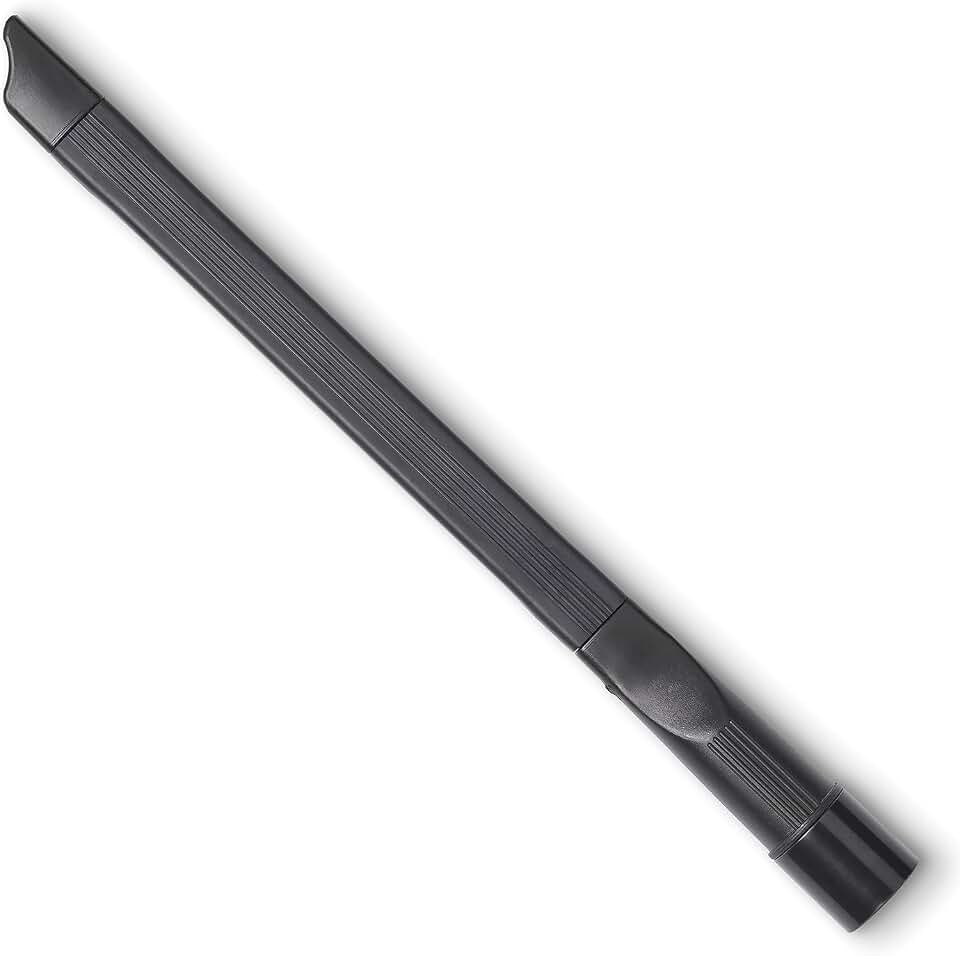

As an Amazon Associate, we may earn from qualifying purchases.
Common appliance cleaning: what to check next
Keeping your kitchen running efficiently starts with a few simple habits. Most homeowners ask how to maintain appliances without damaging finishes or wasting time. Here are the most frequent questions about cleaning frequency, methods, and safety.
No comments yet. Be the first to share your thoughts!