
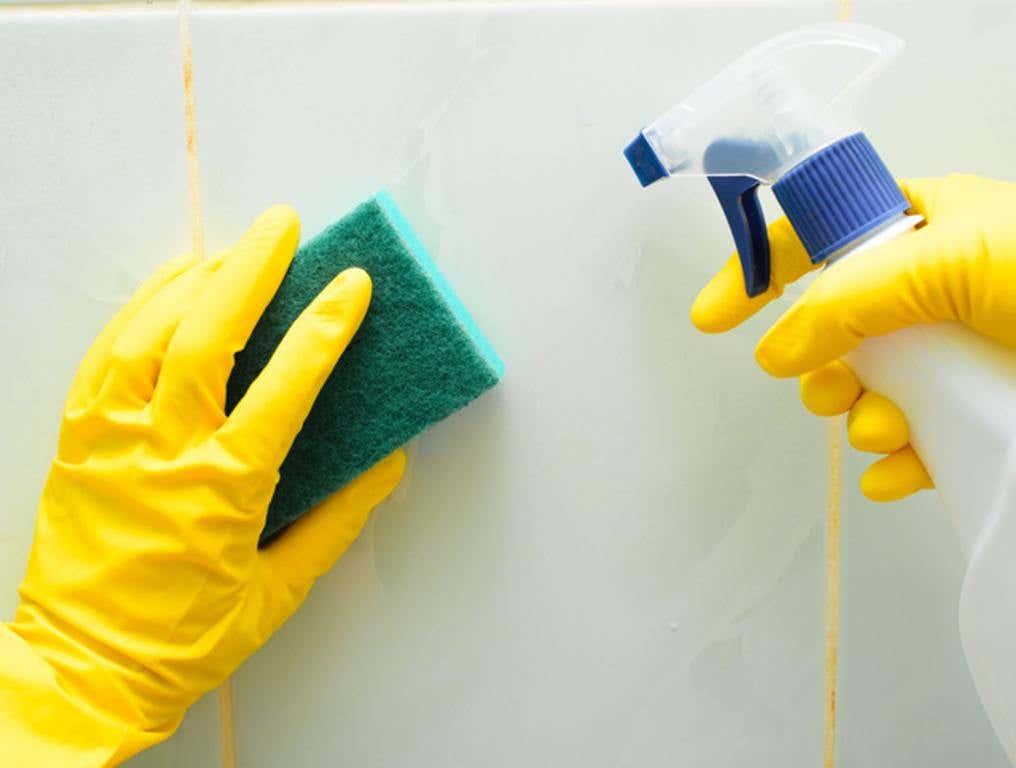

Why smart cleaning beats manual scrubbing
Traditional kitchen cleaning often feels like a losing battle against grease and grime. Manual scrubbing requires significant physical effort and time, yet it frequently misses hidden buildup in appliance crevices. This is where AI-driven cleaning hacks change the dynamic. By leveraging smart sensors and automated routines, you shift from reactive scrubbing to proactive maintenance.
Smart cleaning tools use computer vision and machine learning to identify dirt types and surface materials. Instead of guessing the right pressure or chemical, these systems adjust their approach in real-time. For example, a robot vacuum with AI navigation can distinguish between a wet spill and dry dust, applying the correct cleaning mode automatically. This precision reduces the need for you to intervene constantly.
The efficiency gain is measurable. Automated systems can clean consistently every day, preventing the heavy buildup that makes weekend deep-cleaning necessary. You spend less time fighting stains and more time enjoying your kitchen. It is not about replacing human oversight entirely, but about removing the repetitive, labor-intensive tasks that drain your energy.
This shift allows you to focus on the areas that truly require a human touch, such as delicate knife care or intricate decor. Smart cleaning handles the heavy lifting, ensuring your kitchen appliances and surfaces remain in top condition with minimal effort.
5 AI-Driven Cleaning Hacks for Kitchens and Appliances
Modern kitchen appliances equipped with AI sensors can now detect grease buildup and soil levels in real-time, transforming routine maintenance into an automated, efficient process. By leveraging these smart capabilities, you can significantly reduce scrubbing time and prevent stubborn residue from accumulating on surfaces and components.
-
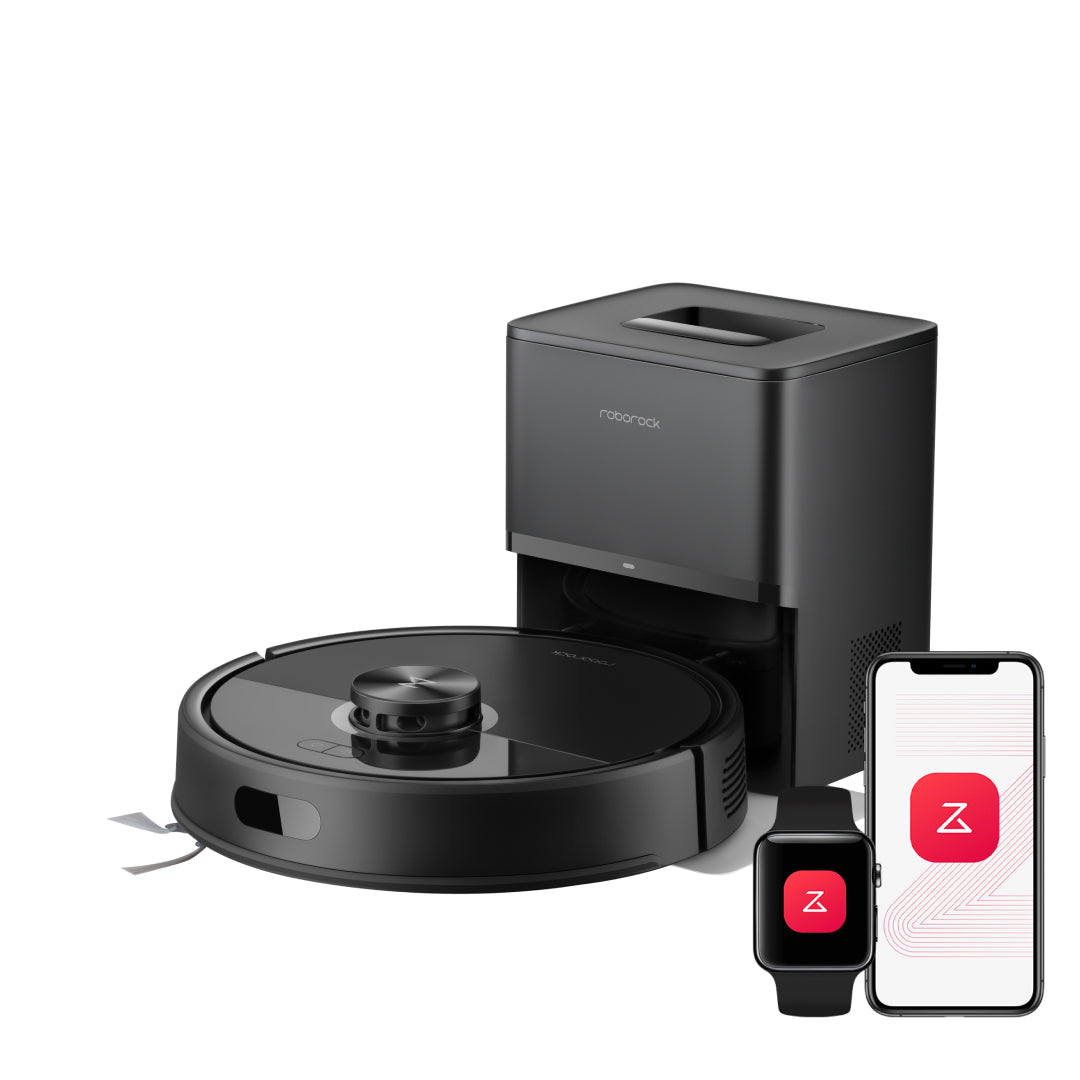
Robot vacuums with auto-empty docks
Automate daily floor maintenance by pairing a robot vacuum with an auto-empty dock. The device navigates your kitchen, capturing crumbs and spills, then returns to the base to deposit debris into a sealed bag. This hands-off approach eliminates the need for frequent manual emptying, ensuring consistent cleanliness without interrupting your cooking workflow or daily routine. -

Smart ovens with self-cleaning cycles
Leverage smart ovens that utilize AI to monitor soil levels and adjust self-cleaning cycles automatically. These appliances detect grease buildup and select the optimal temperature and duration to burn off residue efficiently. This targeted cleaning prevents unnecessary energy waste while maintaining a hygienic cooking environment, reducing the manual scrubbing typically required after heavy use. -

AI-powered dishwashers with soil sensors
Modern dishwashers equipped with AI soil sensors adjust water pressure and temperature based on real-time dirt detection. Instead of fixed cycles, the machine scans load cleanliness and modifies its approach accordingly. This precision ensures thorough cleaning of heavily soiled pots while protecting delicate glassware, significantly cutting down on water usage and energy consumption during every wash cycle. -

Smart fridges with interior cameras
Smart refrigerators with interior cameras allow you to inspect contents remotely via smartphone apps. This feature helps identify expiring items before they spoil, reducing food waste and the need for deep cleaning caused by forgotten, decaying products. By maintaining better inventory awareness, you keep the fridge organized and minimize unpleasant odors that require intensive sanitization. -
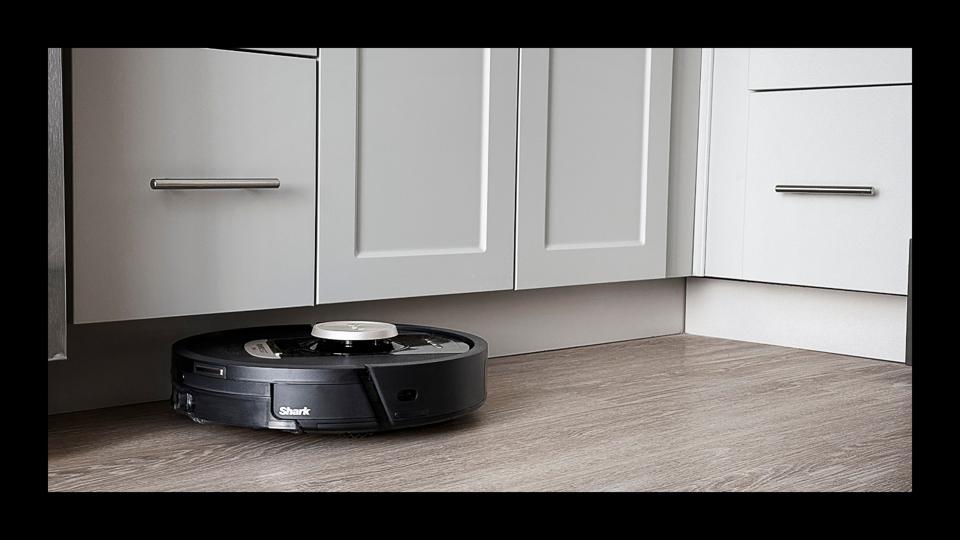
Robotic mops with AI mapping
Robotic mops using AI mapping create precise floor plans to target high-traffic kitchen areas for intensive cleaning. These devices distinguish between hard surfaces and rugs, adjusting moisture levels to prevent water damage. The systematic navigation ensures every corner receives attention, providing a deeper clean than traditional manual mopping while adapting to your kitchen’s unique layout over time.
Checklist for smart cleaning setup
Integrating AI-driven cleaning hacks into your routine requires a systematic approach to ensure efficiency and safety. Before deploying smart tools or automated routines, establish a baseline of order. As professional cleaning experts advise, start with a blank slate: declutter surfaces, then dust, and finally clean. This sequence prevents AI sensors or robotic vacuums from tripping over obstacles and ensures cleaning agents reach actual grime rather than moving dust around.
Once the space is prepped, configure your smart devices for specific kitchen tasks. Set robotic vacuums to avoid wet mop zones or high-traffic dining areas during meal prep. Program smart sprayers or automated dispensers to release precise amounts of eco-friendly soap only when motion is detected in high-splash zones like the sink or stove. This targeted application reduces waste and prevents the buildup of sticky residues that attract more dirt.
Finally, validate the setup by running a test cycle. Check that smart cameras or sensors correctly identify appliance surfaces, such as stainless steel or glass, to adjust cleaning intensity accordingly. Review logs from any AI-assisted scheduling to ensure tasks align with your actual cooking habits. Adjust timing or sensitivity settings based on this initial data to create a seamless, low-effort maintenance loop that keeps your kitchen sparkling with minimal manual intervention.
Quick checklist
-
Match the sizeMake sure the cleaning hacks option fits your household, storage space, and normal batch size.
-
Check the materialChoose a material that handles heat, washing, and regular use without becoming a chore.
-
Plan the cleanupAvoid anything that needs more maintenance than you are likely to give it.
-
Keep one fallbackHave a simple backup option for rushed days.
No comments yet. Be the first to share your thoughts!