
Skip the vinegar myth
For decades, the internet has pushed a specific cleaning ritual: mix vinegar and baking soda for a fizzing, foaming reaction that supposedly deep-cleans everything from drains to grout. It looks satisfying in videos, but chemically, it’s a dead end. When you combine an acid (vinegar) with a base (baking soda), they neutralize each other. The result is mostly water and sodium acetate—salt water, essentially. You’ve just wasted your time and scrubbing power.
Effective cleaning relies on targeted chemistry, not theatrical reactions. To remove mineral deposits or hard water stains, you need an acid like citric acid or diluted white vinegar applied directly and left to dwell. To tackle grease or organic grime, you need a surfactant-based detergent or an enzyme cleaner that breaks down the bond. These agents work best when they aren’t fighting each other.
Instead of relying on old-school hacks that dilute efficacy, modern cleaning is about matching the right active ingredient to the stain. This means swapping the vinegar bottle for a dedicated glass cleaner with ammonia or alcohol for streak-free shine, and using an oxygen bleach solution for organic stains on fabrics. The tools matter just as much as the chemistry. A good microfiber cloth traps dirt rather than spreading it, and a spray bottle with an adjustable nozzle ensures you’re not soaking surfaces unnecessarily. Focus on products that do one job well, rather than mixing potions that cancel each other out.
Kitchen appliance hacks
Major appliances accumulate grease, odors, and mineral buildup faster than most people realize. The difference between a sparkling kitchen and a dull one often comes down to a few specific tools applied to the right surfaces. We’ve rounded up the most effective methods for keeping your fridge, oven, and dishwasher running cleanly.
The Fridge
Your refrigerator is a closed ecosystem where odors linger and spills dry into sticky residue. Start by pulling out all shelves and drawers. Wash them in warm, soapy water—this is the only way to remove the invisible film of grease that accumulates on plastic and glass. For the interior walls, a simple mix of baking soda and water cuts through sticky splatters without leaving chemical residues.
To keep odors at bay, skip the expensive air fresheners. A small bowl of activated charcoal or an open box of baking soda absorbs smells effectively. If your fridge has a clogged drain hole at the back, clear it with a pipe cleaner to prevent water pooling and mold growth.
The Oven
Oven grime requires a bit more elbow grease. For self-cleaning ovens, the high-heat cycle works, but it can damage oven racks and create a strong odor in your home. Instead, try the overnight method: mix baking soda with a little water to form a paste, spread it over the interior surfaces (avoiding heating elements), and let it sit overnight. Wipe it out with a damp cloth in the morning. For tough, burnt-on spots, a splash of white vinegar will fizz and lift the residue.
The Dishwasher
A smelly dishwasher usually means a clogged filter or mineral buildup. Remove the bottom rack and locate the filter at the base. Twist it out and rinse it under hot water, using an old toothbrush to dislodge trapped food particles. This simple step often resolves drainage issues and foul odors immediately.
For mineral deposits on the interior walls, place a cup of white vinegar on the top rack and run a hot cycle. The vinegar circulates through the spray arms, dissolving hard water scale that can clog nozzles over time.


![Amazon Basics Microfiber Cleaning Cloths, Ultra Absorbent, Lint Free, Streak Free, Non-Abrasive, Reusable and Washable, 16" x 12", Blue/White/Yellow, Pack of 24 [Amazon-developed Certification] Compact by Design](https://m.media-amazon.com/images/I/91WjG1lqmLL._AC_UL960_QL65_.jpg)

As an Amazon Associate, we may earn from qualifying purchases.
Bathroom deep clean shortcuts
Tackling the toilet, shower, and tile grout doesn't require hours of scrubbing if you use the right tools and a few targeted hacks. The goal is to let chemistry do the heavy lifting while specialized brushes handle the rest. Focus on non-toxic options where possible, but don't shy away from specialized products for tough grime.
Start with the toilet. A simple trick is to add a small amount of bleach directly into the brush holder. This keeps the brush sanitized between uses and prevents that lingering musty smell. For the bowl itself, swirling the brush daily prevents buildup from hardening, making the weekly deep clean much faster.
The shower and tiles benefit from a "let it sit" approach. Apply a cling-style bleach gel to the grimiest corners and let it run down the walls while you attend to other tasks. The gel adheres to vertical surfaces better than liquid spray, giving the disinfectant time to break down soap scum and mold without dripping everywhere. Rinse thoroughly with warm water.
For grout, a stiff-bristled grout brush is essential. Pair it with a paste of baking soda and hydrogen peroxide for a non-toxic whitening effect. Scrub in small sections, let the paste sit for five minutes, then wipe clean. This method lifts stains without damaging the grout sealant.


As an Amazon Associate, we may earn from qualifying purchases.
Keep living surfaces clean between deep cleans
Preventing buildup is easier than removing it. A few simple habits and the right tools can keep floors, windows, and furniture looking fresh without constant scrubbing.
Floors
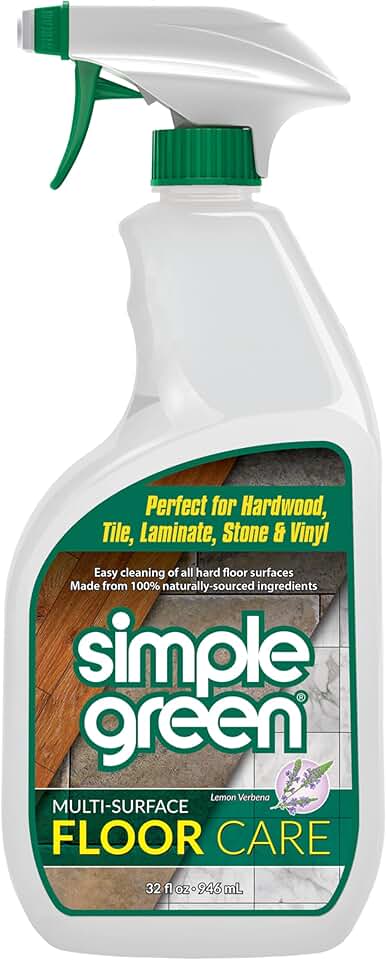
Vacuuming weekly removes grit that scratches finishes, but mopping strategy matters more. Use a damp microfiber mop with a pH-neutral cleaner. Avoid soaking hardwood or laminate, which can cause warping. For tile, a vinegar-water solution cuts through soap scum without leaving residue.
Windows and Glass
Streaks usually come from dirty tools or direct sunlight drying the solution too fast. Coffee filters are a secret weapon here; their lint-free texture picks up dust and polish without leaving fibers behind. Spray cleaner on the filter, not the glass, to control moisture. Clean on cloudy days or in shade for best results.
Furniture
Dust settles quickly on upholstered chairs and wood surfaces. Use a microfiber cloth to trap dust rather than spreading it. For wood, a light coat of furniture polish protects the finish. Avoid silicone-based sprays that attract more dust over time.


As an Amazon Associate, we may earn from qualifying purchases.
Tools that change the game
The right equipment turns tedious scrubbing into a quick wipe. You don't need expensive gadgets to clean effectively, but swapping generic sponges for specialized tools saves time and prevents streaks. This comparison shows which tools handle specific surfaces best, helping you build a kit that actually works.
The Cleaning Toolkit Comparison
| Tool | Best For | Why It Works | What to Avoid |
|---|---|---|---|
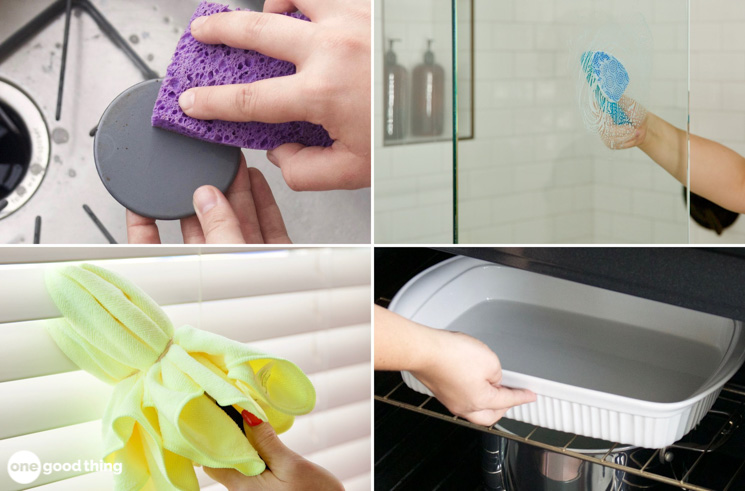
| Microfiber Cloths | Glass, stainless steel, dusting | Traps dust and dirt without chemicals | Cotton rags that spread grime |
| Non-Scratch Sponges | Stovetops, tubs, sinks | Removes baked-on food without scarring | Steel wool on coated surfaces |
| Detailing Brushes | Grout, window tracks, faucets | Reaches tight crevices sponges miss | Stiff bristles on soft metals |
| Squeegees | Showers, mirrors, windows | Leaves zero water spots or streaks | Cloth towels that leave lint |
Investing in a few high-quality microfiber cloths and a good set of detailing brushes pays off immediately. These tools do the heavy lifting, allowing your cleaning hacks to work faster and leave a better finish.
![FIXSMITH Microfiber Cleaning Cloth - Pack of 50, Microfiber Towels for Cars 16 x 12 in, Highly Absorbent Cleaning Rags, Lint-Free, Streak-Free Cleaning Cloths for Car Kitchen Home Office [Amazon-developed Certification] Compact by Design](https://m.media-amazon.com/images/I/91soJl1+jjL._AC_UL960_QL65_.jpg)


As an Amazon Associate, we may earn from qualifying purchases.
Your weekly cleaning checklist
Turn these hacks into a sustainable rhythm by following a structured weekly workflow. Consistency matters more than intensity; ten focused minutes daily prevents the weekend marathon.
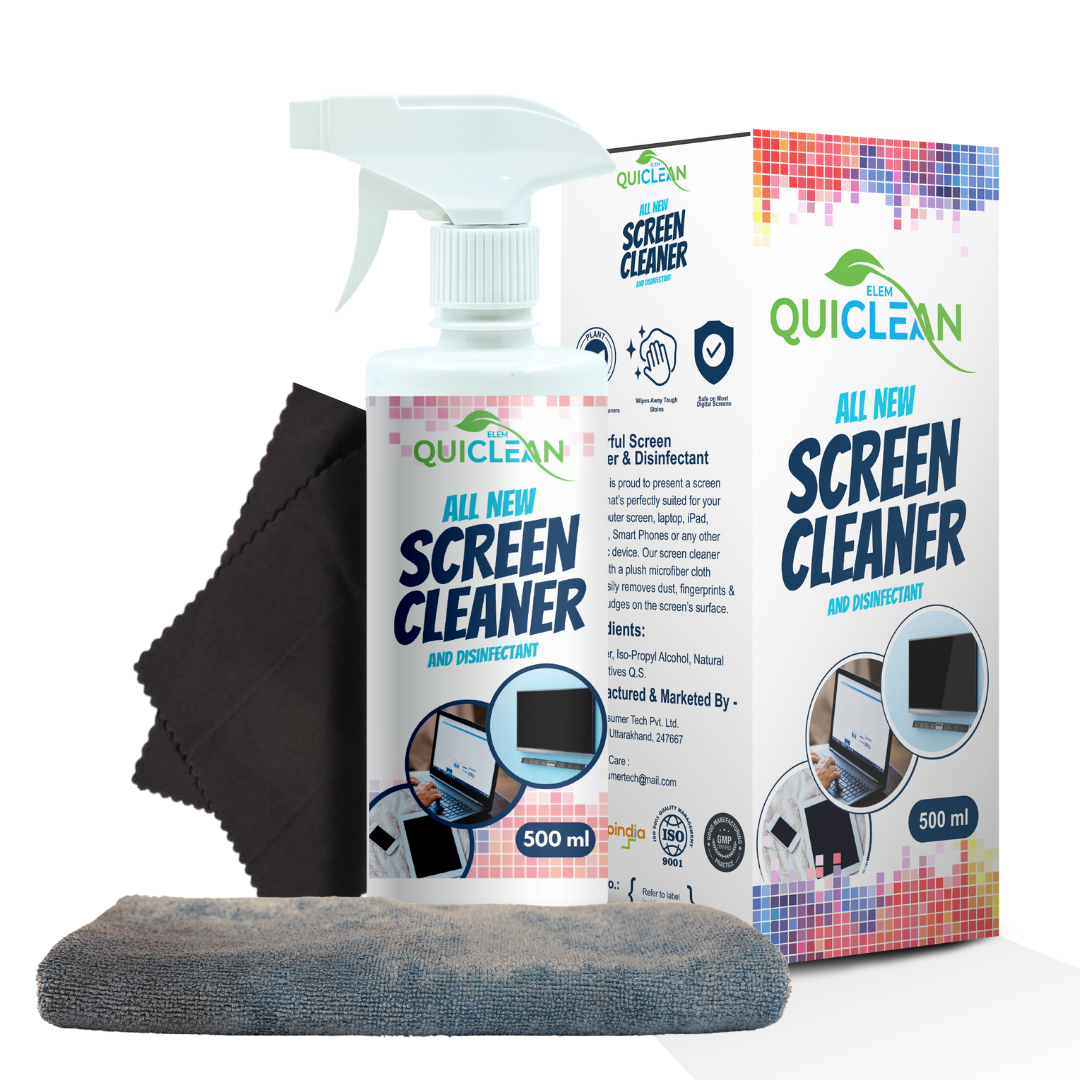
Wipe down countertops and appliance fronts. Use a coffee filter with glass cleaner for streak-free windows and mirrors without lint.

Spray the toilet bowl with cleaner and let it sit while you scrub the sink. Drop a denture tablet in the toilet overnight for a deep, stain-free clean.

Use a microfiber cloth to trap dust rather than spreading it. Vacuum high-traffic areas and under furniture where debris accumulates.
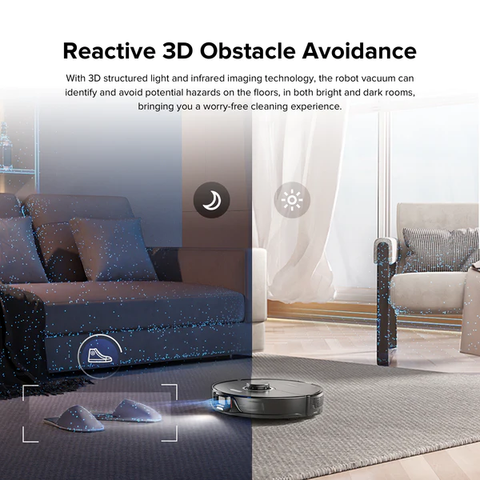
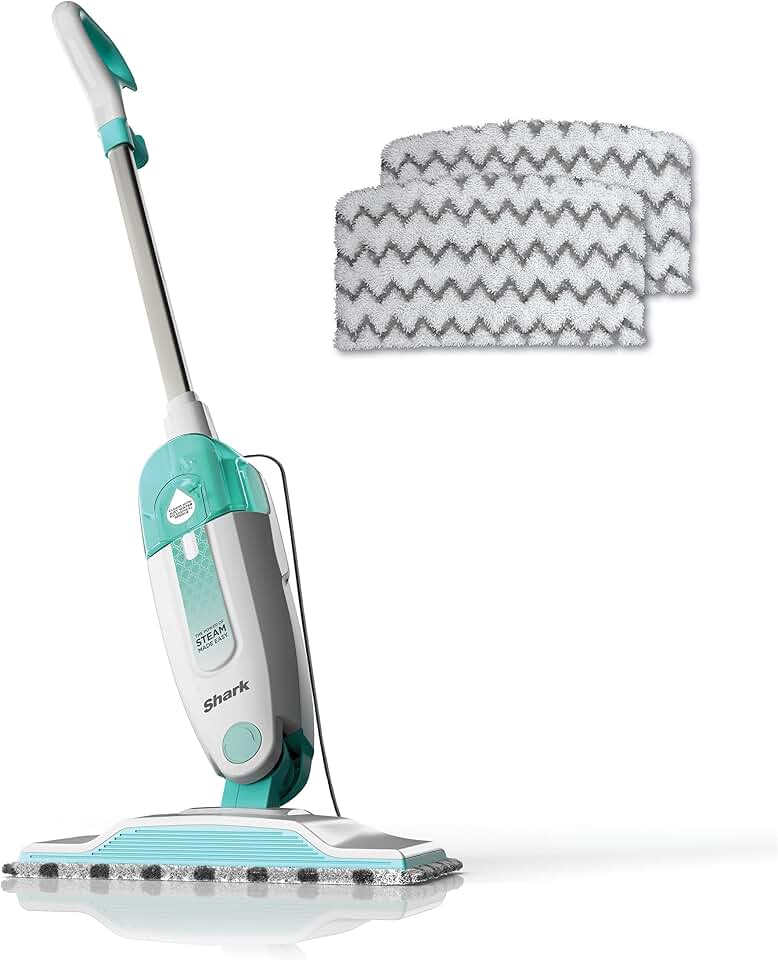
Mop hard floors using a steam mop for sanitization without harsh chemicals. Wipe down baseboards and door handles.
Empty all trash bins and replace liners. Do a quick wipe of light switches and doorknobs to remove germs before the weekend.
To keep this routine efficient, ensure you have the right tools on hand. The right products make the difference between a chore and a quick task.


As an Amazon Associate, we may earn from qualifying purchases.
Cleaning hacks: common: what to check next
Natural cleaners like vinegar are safe for sealed stone, but they can etch granite and marble over time. For these surfaces, stick to pH-neutral solutions or products specifically labeled as stone-safe to avoid dulling the finish.
Deep cleaning doesn't require a weekend marathon. Tackle one zone per week, rotating rooms so every area gets attention without overwhelming your schedule. This steady approach keeps grime from building up to unmanageable levels.
Maintain your tools to extend their life. Rinse microfiber cloths immediately after use to remove trapped dirt, and wash them separately from towels to preserve their absorbency. Replace sponges every few weeks to prevent bacterial growth.
No comments yet. Be the first to share your thoughts!