

Why overnight cleaning works
You scrub a greasy stovetop, rinse it, and see the film come right back. You wipe down a shower door, and water spots reappear by dinner. The problem isn't your elbow grease; it's timing. You are trying to do the chemical work manually instead of letting the solution do it for you.
This is the core mechanic behind effective cleaning hacks: dwell time. When you apply a cleaner and let it sit, the active ingredients break down the molecular bonds holding dirt, grease, and grime together. A degreaser needs minutes, not seconds, to emulsify oil. A disinfectant needs exposure time to kill pathogens. Skipping this wait means you are scrubbing solidified messes that could have been wiped away.
Think of dwell time like marinating meat. If you sear a steak immediately after salting it, the surface is dry and tough. Let it sit, and the flavors penetrate. Cleaning is similar. The longer a solution sits on a tough stain, the less physical force you need to remove it. This saves your joints and makes the task actually enjoyable.
The result is simple: apply, wait, wipe. You spend less time scrubbing and more time relaxing. It’s the difference between fighting a battle and letting the enemy surrender.
Kitchen appliance overnight cleaning hacks
Start your night by tackling the grime that builds up in your dishwasher, oven, and fridge. These three appliances hold the most stubborn residues, but they also respond well to passive cleaning methods. By applying simple ingredients like baking soda, vinegar, or even shaving cream before bed, you let chemistry do the heavy lifting while you sleep.
The dishwasher
If your dishwasher leaves spots or smells, it’s usually due to mineral buildup or trapped food particles. Place a dishwasher-safe bowl filled with one cup of white vinegar on the top rack. Run a hot water cycle with no dishes inside. The vinegar breaks down grease and dissolves limescale without harsh chemicals.
For a deeper clean, sprinkle half a cup of baking soda across the bottom of the empty machine. Let it sit overnight. In the morning, wipe the interior with a damp cloth and run a quick rinse cycle. This two-step process keeps your dishwasher smelling fresh and running efficiently.
The oven
A dirty oven can smoke and smell like burnt food every time you use it. Instead of scrubbing for hours, try the shaving cream method. Apply a thin layer of plain white shaving cream to the interior surfaces, avoiding the heating elements. Let it sit overnight. The foam lifts grease and baked-on messes without toxic fumes.
In the morning, wipe away the shaving cream with a damp sponge. Most grime will come off easily. For tough spots, use a plastic scraper to gently remove residue. This hack is especially effective for self-cleaning ovens that are sensitive to high heat.
The fridge
A smelly fridge often results from spilled liquids or old food. Remove all shelves and drawers, then wash them with warm soapy water. While they dry, wipe down the interior with a mixture of one part baking soda to two parts water. This neutralizes odors and removes sticky spills.
Place an open box of baking soda or a bowl of coffee grounds on a shelf to absorb future odors. For a fresh scent, add a few drops of essential oil to the baking soda. This simple overnight treatment keeps your fridge clean and odor-free for weeks.
Tackle limescale and soap scum overnight
Waking up to a cloudy showerhead or milky soap scum on tiles is a familiar frustration. You don’t need to scrub hard in the morning to fix it. Instead, use the hours you’re asleep to let chemistry do the heavy lifting. This approach to cleaning hacks turns stubborn grime into something that wipes away with a quick rinse.
Soak the showerhead
Limescale buildup restricts water pressure and looks unsightly. To remove it without disassembling the fixture, fill a sturdy plastic bag with white vinegar. Secure the bag over the showerhead using a rubber band so the nozzle is fully submerged. Leave it overnight. The acid breaks down the mineral deposits. In the morning, remove the bag and wipe the head clean with a damp cloth. If any crust remains, use an old toothbrush to gently brush it off before rinsing.
Coat the tiles
Soap scum forms a film that traps dirt and water spots. Mix a paste of baking soda and water, or spray a vinegar solution directly onto the tiled walls and glass doors. Let the solution sit undisturbed while you sleep. By morning, the scum will have softened significantly. A quick wipe with a microfiber cloth removes the residue, leaving the surfaces sparkling without harsh scrubbing.
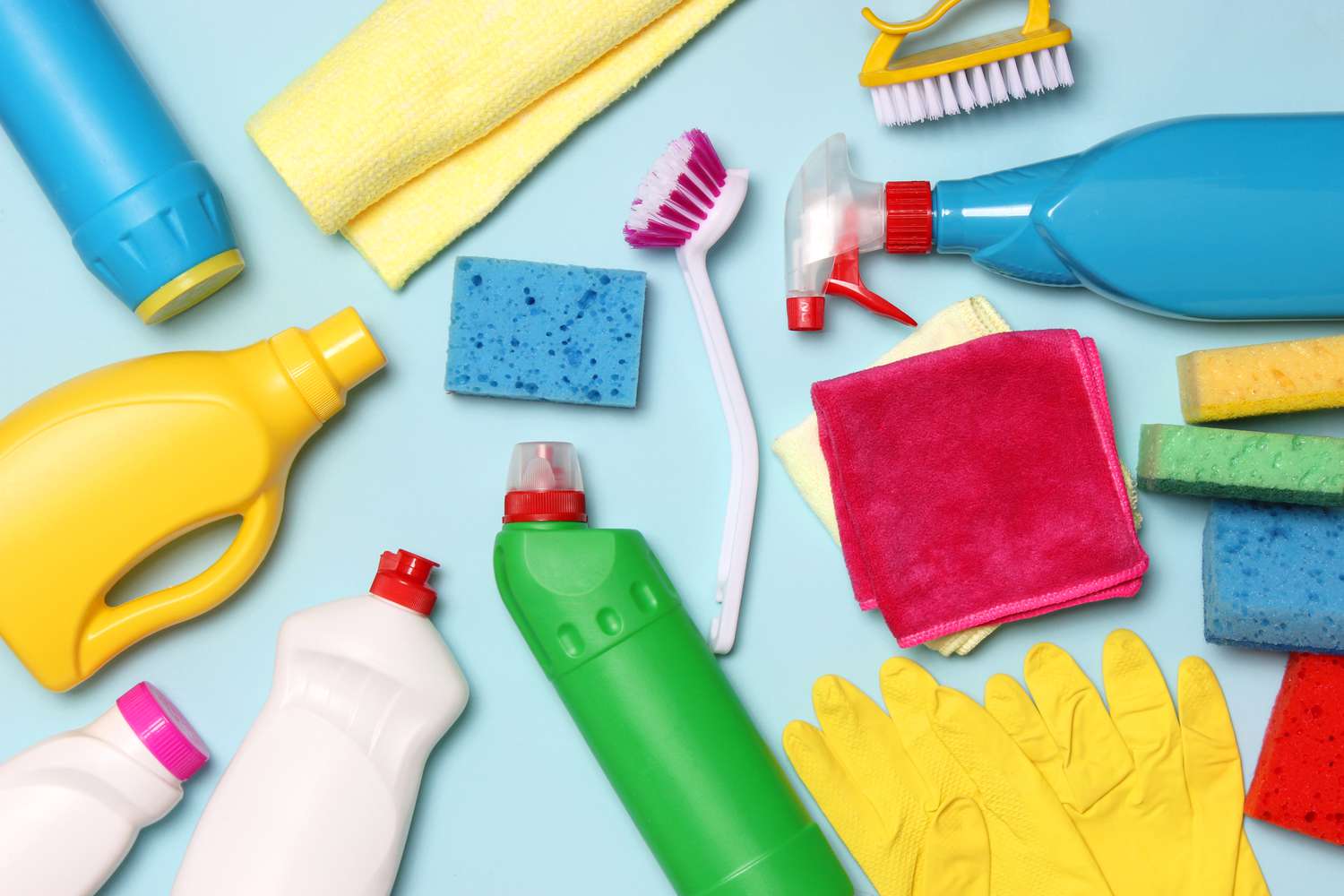
Fill a plastic bag with white vinegar. This is the primary agent for dissolving limescale on metal fixtures. Ensure the bag is large enough to fully submerge the showerhead nozzle.
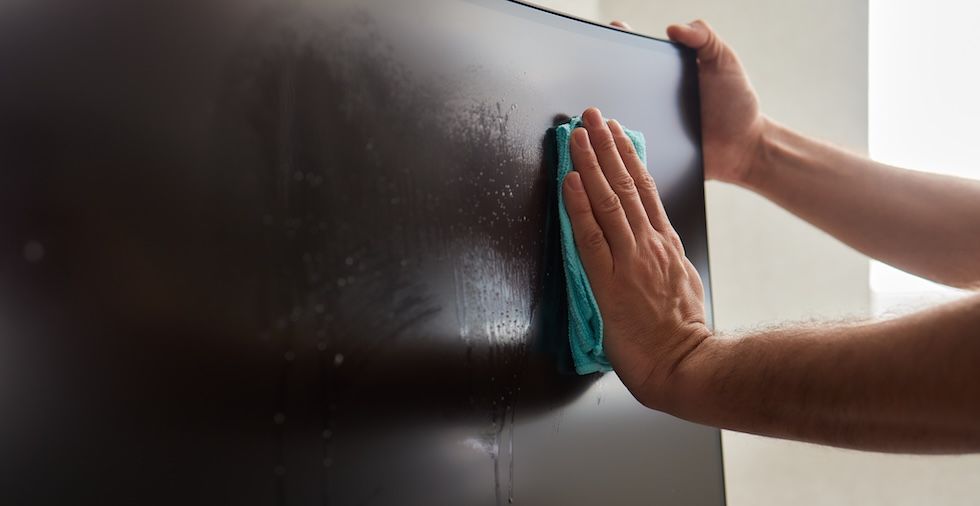
Place the bag over the showerhead. Use a twist tie or rubber band to secure it tightly around the neck of the fixture. The goal is to keep the nozzle submerged in the vinegar without leaks.
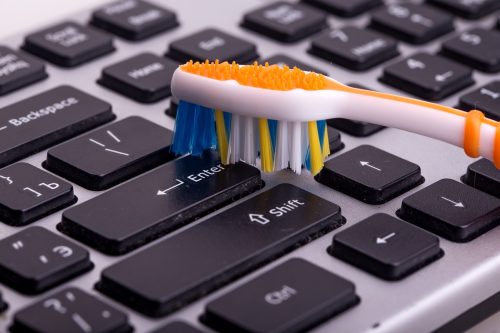
While the showerhead soaks, spray your tile cleaner or baking soda paste onto the walls and glass doors. This allows the solution to dwell on the soap scum throughout the night, softening the grime for easy removal.
This method relies on time rather than elbow grease. The vinegar and baking soda work continuously while you rest, ensuring a clean bathroom without the morning rush.
Laundry and fabric refresh tips
Smell is fabric’s way of complaining. When gym clothes retain sweat odor or towels go stale after a few washes, a standard cycle often isn’t enough to break down the bacteria. Instead of tossing items or paying for dry cleaning, you can use overnight soaking to reset the fabric. This is one of the most effective cleaning hacks for extending the life of your wardrobe while saving time.
Start with enzyme cleaners for organic stains and odors. Enzymes act like microscopic scissors, cutting through protein-based messes like sweat, food, or pet accidents. Unlike bleach, which can damage fibers, enzymes target the source of the smell. Follow the manufacturer’s instructions and let the clothes soak overnight. The extended contact time allows the enzymes to work deeply into the fabric weave, neutralizing odors without harsh scrubbing.
For non-protein stains and general brightening, try an OxiClean soak. Dissolve the powder in warm water and submerge the items. This method lifts dirt and restores color without the need for immediate washing. It’s particularly useful for whites that have turned gray or light-colored fabrics with surface grime. Let them sit for several hours or overnight before laundering as usual.
This approach reduces the frequency of heavy-duty washes, which can wear out clothing faster. By addressing odors and stains at the source with targeted soaks, you keep fabrics fresh and vibrant. It’s a simple shift in routine that delivers noticeable results with minimal effort.
Common mistakes to avoid
Even the best cleaning hacks can backfire if applied carelessly. The difference between a spotless home and damaged surfaces often comes down to two things: chemical compatibility and tool selection. Before you start mixing solutions or scrubbing away, check your supplies against these common pitfalls.
Mixing chemicals
Never mix bleach with ammonia or acids like vinegar. This combination creates toxic chloramine or chlorine gas, which can irritate your lungs and eyes. Always read labels and ensure proper ventilation when using strong cleaners. Stick to one product at a time, and rinse surfaces thoroughly between applications.
Using abrasive tools
Avoid steel wool or harsh scouring pads on delicate surfaces like stainless steel, non-stick cookware, or polished granite. These materials scratch easily, ruining the finish and making future cleaning harder. Instead, use microfiber cloths, soft sponges, or a Magic Eraser for tough grime without the risk of surface damage [Real Simple].
Skipping the test patch
Always test new cleaning solutions on a small, hidden area first. This simple step prevents unexpected discoloration or material degradation. It’s especially important for natural stone, wood finishes, and colored fabrics.
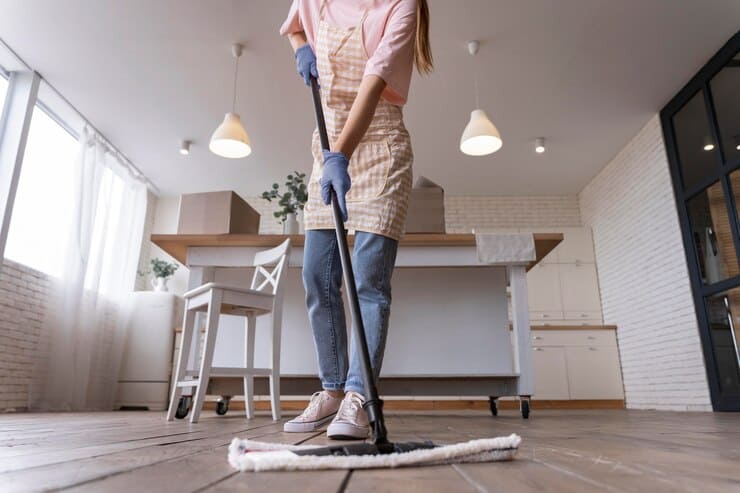
Read labels carefully. Ensure you aren't mixing incompatible chemicals like bleach and ammonia.
Use soft microfiber cloths or sponges instead of abrasive pads to protect delicate surfaces.
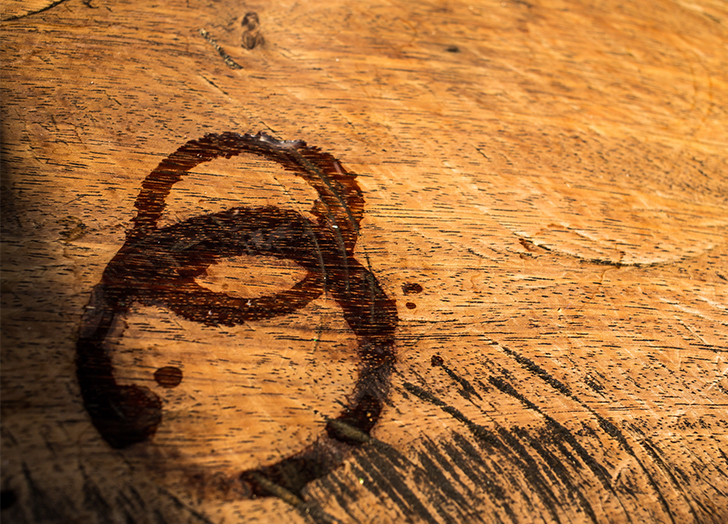
Apply any new solution to a small, hidden area to check for discoloration or damage.
Your nightly cleaning checklist
Staring at a sink full of dishes or a floor covered in morning clutter is exhausting. You don’t need to scrub everything tonight; you just need to set up the conditions for an easy morning. These cleaning hacks work by letting time and chemistry do the heavy lifting while you sleep. Follow this short list to ensure every surface is prepped for maximum efficiency.
- Dishwasher prep: Load the dishwasher with only the cleanest dishes. Rinse any remaining food scraps into the trash, not the sink. This prevents odors and ensures your morning dishes come out sparkling without a pre-scrub.
- Surface spray: Mist kitchen counters and bathroom sinks with your all-purpose cleaner. Let it sit overnight to break down grease and soap scum. In the morning, a quick wipe is all that’s needed.
- Toilet treatment: Drop a toilet cleaning tablet or pour a cup of vinegar into the bowl. Let it work while you sleep so you can scrub it away instantly when you brush your teeth.
- Laundry soak: For stained clothes or smelly towels, add oxygen bleach or enzyme cleaner to a basin of water and let them soak. This lifts stains that regular washing misses.
- Floor pre-treatment: Sweep high-traffic areas before bed. Sprinkle baking soda on rugs or mats to neutralize odors. Vacuum or sweep first thing in the morning for a fresh start.
Frequently asked: what to check next
Quick checklist
-
Match the sizeMake sure the cleaning hacks option fits your household, storage space, and normal batch size.
-
Check the materialChoose a material that handles heat, washing, and regular use without becoming a chore.
-
Plan the cleanupAvoid anything that needs more maintenance than you are likely to give it.
-
Keep one fallbackHave a simple backup option for rushed days.
No comments yet. Be the first to share your thoughts!