
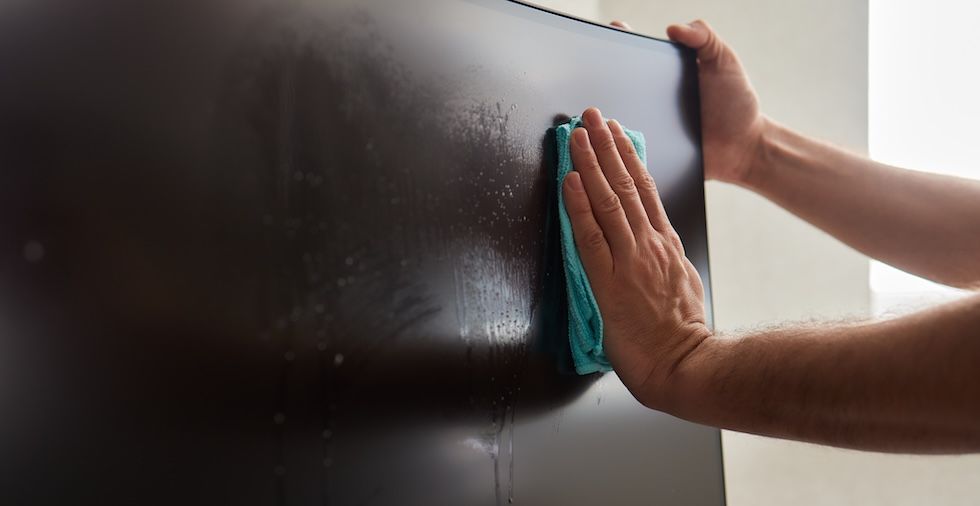

Narrow down the problem
Bio-enzymes don’t clean everything equally well. They target specific organic bonds, so using them on the wrong stain wastes time and money. Before you mix a solution, identify which type of mess you are actually dealing with. This section helps you match your symptom to the right enzyme profile.
Protein and fat residues
If you are dealing with dried blood, egg, dairy, or greasy stove splatter, you need protease and lipase enzymes. These break down the molecular chains in proteins and fats. They work best on warm, moist surfaces. Let the enzyme sit for ten minutes before scrubbing to give it time to digest the stain.
Biological stains and odors
Pet accidents, vomit, or moldy smells indicate a need for bacteria and yeast-based enzymes. These cultures consume the organic matter causing the odor. They are slower than chemical solvents but leave no toxic residue. This is the only safe way to remove urine crystals from carpets without triggering a dog to re-mark the spot.
Plant-based stains and grime
Coffee, tea, wine, and grass stains require amylase and cellulase enzymes. These target carbohydrates and plant fibers. They are highly effective on kitchen linens and upholstery. Avoid using hot water with these stains, as heat can set the tannins permanently before the enzyme can act.
Run these checks
Use this section to make the decision easier to compare in real life, not just on paper. Start with the reader's actual constraint, then separate must-have requirements from details that are merely nice to have. A practical choice should survive normal use, maintenance, timing, and budget. If a recommendation only works in an ideal situation, call that out plainly and give the reader a fallback path.
-
Verify the basicsConfirm the core specs, condition, and fit before comparing extras.
-
Price the downsideLook for the repair, maintenance, or replacement cost that would change the decision.
-
Compare alternativesCheck at least two comparable options before treating one listing as the benchmark.
What usually fixes it
Bio-enzyme cleaners work by introducing live bacteria that digest organic stains. When a cleaning job doesn't succeed, the issue is rarely the product itself; it is usually the environment the enzymes need to thrive. Enzymes are not instant solvents like bleach. They are biological agents that require time, warmth, and moisture to multiply and eat away at grease, protein, or biological matter.
The most common mistake is expecting immediate results. If you spray and wipe within seconds, you are simply removing the surface dirt along with the enzymes before they can do their work. Let the solution sit for the time recommended on the label—often 10 to 15 minutes, but sometimes hours for tough stains. This dwell time is the difference between a spotless surface and a repeat visit.
Moisture is the second critical factor. Enzymes dry out and become inactive. If you are treating a large area like a carpet or a grout line, keep the surface damp throughout the process. You can cover the area with plastic wrap or a damp cloth to prevent evaporation. For smaller spots, re-spraying periodically helps maintain the necessary humidity. Without moisture, the biological activity stops, and the stain remains.
Temperature also plays a role. Most household bio-enzymes are designed to work best at room temperature. Extremely cold water can slow down the reaction, while boiling water will kill the bacteria instantly. If you are cleaning a drain or a large appliance, warm water (not hot) can accelerate the process. Always check the product instructions for specific temperature guidelines, as some specialized formulas may have different requirements.
Finally, consider the source of the stain. Bio-enzymes are highly effective on organic matter like food spills, pet accidents, and bodily fluids. They are less effective on inorganic stains like rust, mineral deposits, or certain dyes. If the stain is not organic, an enzyme cleaner will not fix it. In those cases, you may need a different type of cleaner, such as an acid for mineral buildup or a specialized stain remover for synthetic dyes. Identifying the stain type correctly saves time and prevents frustration.
Cleaning: what to check next

No comments yet. Be the first to share your thoughts!