
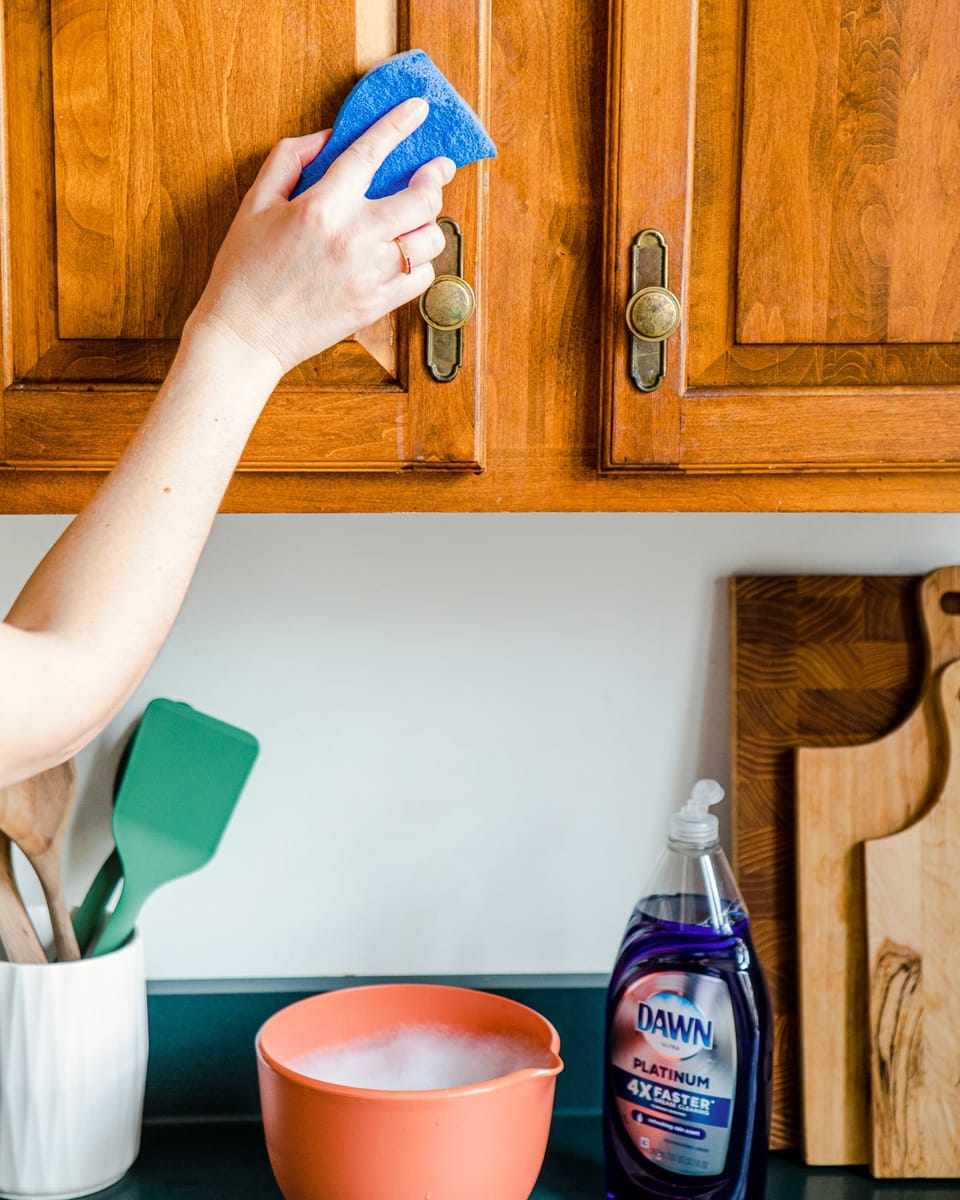

Why Clean Kitchen Cabinets are Important for Your Home's Health
Why Clean Kitchen Cabinets are Important for Your Home's Health
Many homeowners overlook the importance of maintaining clean kitchen cabinets, but this seemingly small detail can have a significant impact on your home's overall health. In this section, we'll explore the reasons why keeping your cabinets clean is essential and how it contributes to a healthier living environment. By using the best cabinet cleaner and incorporating effective kitchen cleaning techniques, you can ensure that your kitchen remains a safe and sanitary space for you and your family.
Firstly, kitchen cabinets are prone to accumulating dirt, dust, and grease over time. Grease removal from kitchen cabinets is crucial, as it can attract pests and bacteria, leading to potential health hazards. Regularly cleaning wood cabinets and other surfaces can help prevent the growth of harmful microorganisms, ensuring a cleaner and safer kitchen environment.
Another reason to prioritize kitchen cabinet maintenance is the impact it has on indoor air quality. Dust and allergens can easily accumulate on cabinet surfaces and, if not properly cleaned, can circulate throughout your home. By cleaning kitchen cabinets naturally and regularly, you can reduce the presence of allergens and improve your home's air quality.
Moreover, clean and well-maintained kitchen cabinets contribute to the overall aesthetic appeal of your home. A deep clean of kitchen cabinets can refresh their appearance and make your entire kitchen look more inviting. By following our kitchen cabinet cleaning hacks and maintenance tips, you can keep your cabinets looking like new for years to come.
In summary, maintaining clean kitchen cabinets is essential for promoting a healthy and visually appealing home environment. By using the right wood cleaners for kitchen cabinets and incorporating effective cleaning techniques, you can protect your family's health and enhance the beauty of your kitchen space. Stay tuned for our upcoming sections on natural kitchen cabinet cleaners, deep cleaning tips, and more!
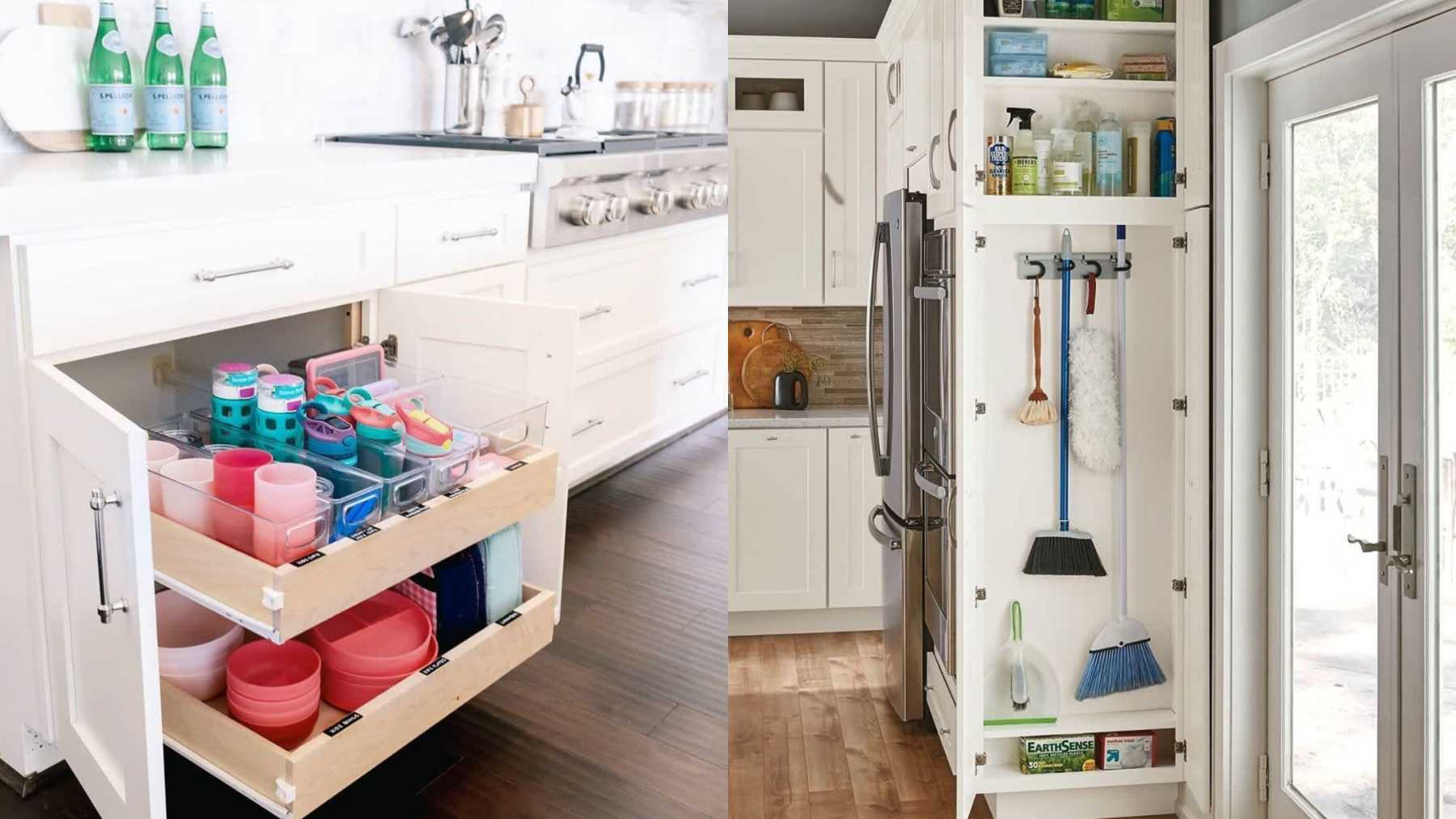
Natural Kitchen Cabinet Cleaners You Can Find in Your Pantry
Natural Kitchen Cabinet Cleaners You Can Find in Your Pantry
When it comes to cleaning kitchen cabinets naturally, you don't need to rely on harsh chemicals or expensive store-bought cleaners. In fact, some of the best cabinet cleaners can be found right in your pantry! These natural ingredients are not only effective at cleaning wood cabinets and removing grease, but they're also gentle on the environment and your family's health. Here are some common pantry items you can use to deep clean kitchen cabinets:
1. Vinegar: Vinegar is a versatile and natural cleaner that can effectively cut through grease and grime on your kitchen cabinets. Mix equal parts water and white vinegar in a spray bottle, and use it to clean the cabinet surfaces. Wipe down with a soft cloth, and your cabinets will be left looking clean and refreshed. 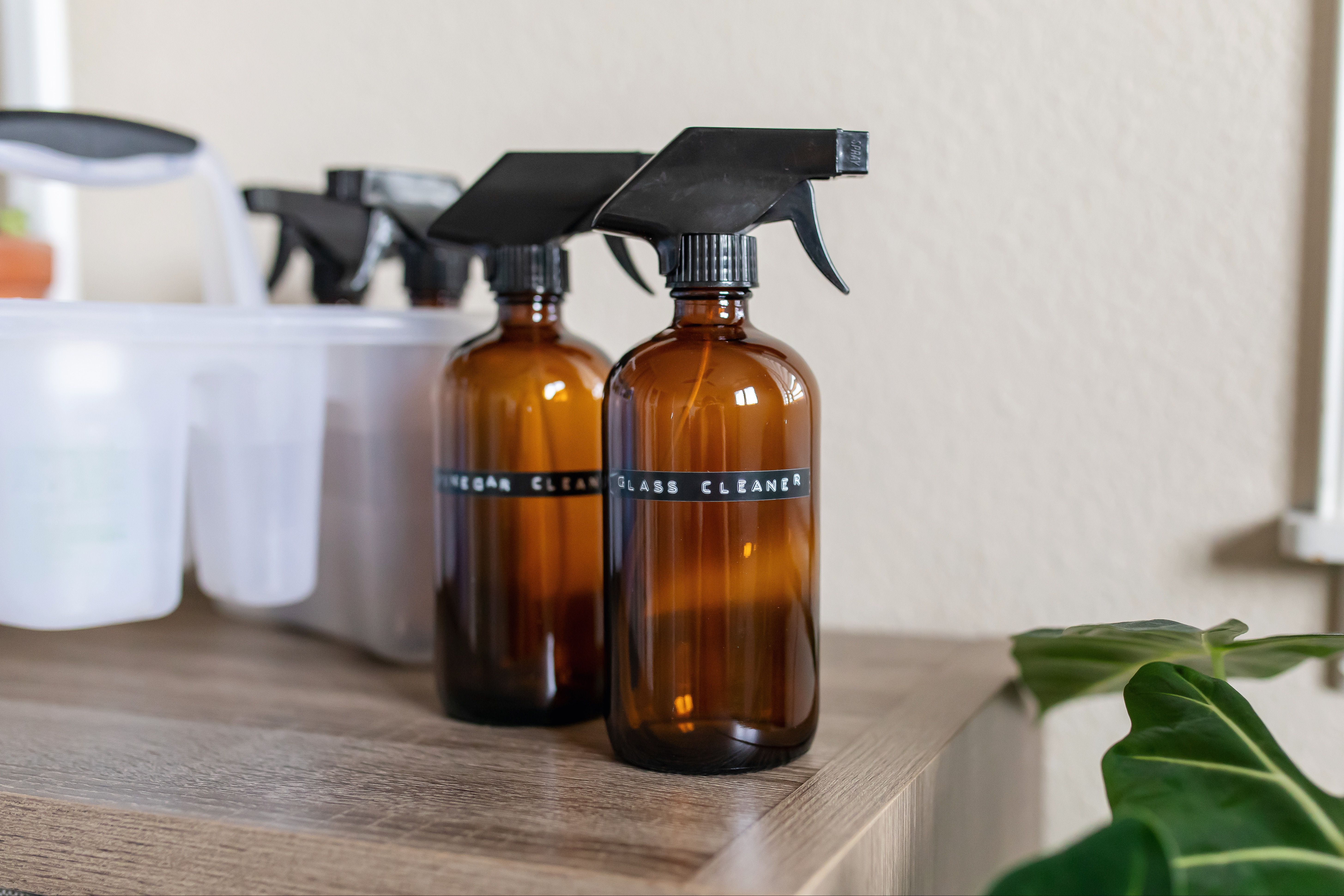
2. Baking Soda: For stubborn stains and caked-on grease, baking soda is a powerful yet gentle abrasive cleaner. Make a paste by mixing baking soda with a small amount of water, and apply it to the affected areas using a soft cloth or sponge. Gently scrub the surface, then rinse with warm water and dry with a clean cloth. 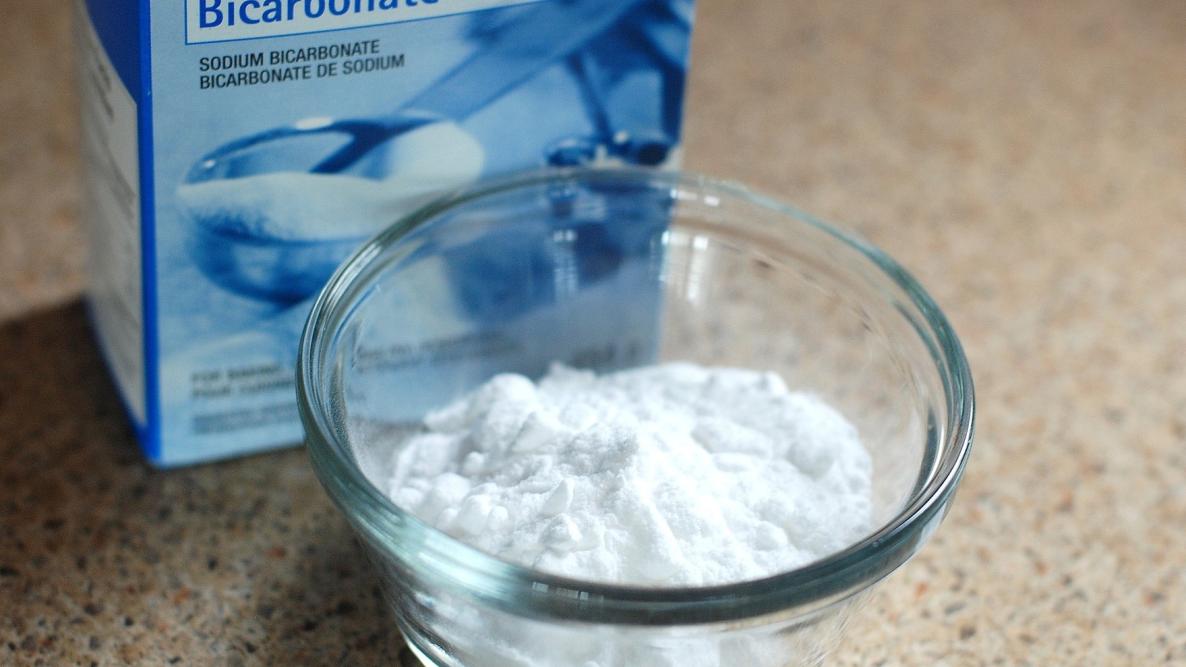
3. Lemon Juice: Lemon juice is another natural cleaning agent that can help remove grease and grime from your kitchen cabinets. Combine equal parts lemon juice and water in a spray bottle, and apply the mixture to your cabinets. Wipe down with a soft cloth, and enjoy the fresh, clean scent it leaves behind. 
4. Olive Oil and Salt: This combination works wonders for cleaning wood cabinets, especially when dealing with sticky residue or stubborn stains. Mix equal parts olive oil and salt to create a paste, and apply it to the affected areas using a soft cloth. Gently scrub the surface, then wipe away the mixture with a damp cloth and dry with a clean one. 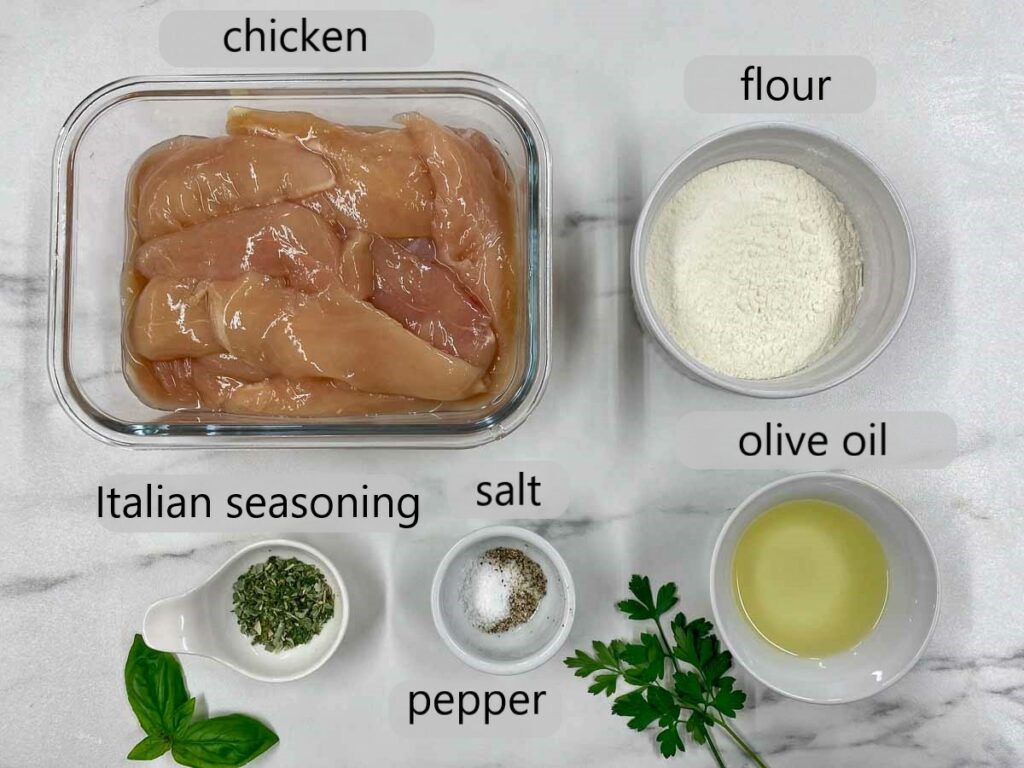
By using these natural kitchen cabinet cleaning hacks, you can effectively clean and maintain your cabinets without the need for harsh chemicals. Not only will you be promoting a healthier home environment, but you'll also save money by using ingredients you already have on hand. In the following sections, we'll share more tips and techniques for deep cleaning your kitchen cabinets, removing stubborn grease stains, and keeping your cabinets looking like new.
How to Deep Clean Your Kitchen Cabinets Like a Pro
How to Deep Clean Your Kitchen Cabinets Like a Pro
Deep cleaning your kitchen cabinets is essential to maintain their appearance and ensure a healthy environment in your home. With the right techniques and some elbow grease, you can have your cabinets looking like new in no time. Follow these steps to deep clean kitchen cabinets like a pro:
1. Empty the cabinets: Before you start cleaning, remove all items from your cabinets. This will make it easier to clean every nook and cranny, and it's also a great opportunity to declutter and reorganize your kitchen items.

2. Dust the cabinets: Using a soft, microfiber cloth or a duster, gently remove any dust and debris from the cabinet surfaces. This will prevent the dust from mixing with your cleaning solution and creating a muddy mess.

3. Apply your chosen cleaner: Whether you're using a store-bought best cabinet cleaner or a natural solution like the ones mentioned in the previous section, spray or apply the cleaner evenly onto the cabinet surfaces. Be sure to focus on areas with built-up grease or grime.

4. Scrub the cabinets: Using a soft cloth or sponge, gently scrub the cabinet surfaces in a circular motion. For cleaning wood cabinets, be sure to follow the grain of the wood to avoid scratching the surface. For stubborn stains or grease spots, use a soft-bristled brush or an old toothbrush to get into the crevices and corners.

5. Rinse and dry: After scrubbing, use a damp cloth to wipe away the cleaning solution and any remaining dirt or grease. Be sure to rinse the cloth frequently to avoid spreading the dirt around. Once the cabinets are clean, use a dry cloth to remove any excess moisture and prevent water damage.

6. Clean the hardware: Don't forget to clean the cabinet handles and knobs! You can use the same cleaning solution or a mixture of equal parts vinegar and water. Dip a cloth or an old toothbrush into the solution and gently scrub the hardware. Rinse with a damp cloth and dry with a clean one.
By following these kitchen cleaning techniques, you'll be able to deep clean your kitchen cabinets like a pro and keep them looking their best. In the next sections, we'll explore more tips and tricks for removing stubborn grease stains, maintaining your cabinets, and choosing the right wood cleaner for your kitchen cabinets.
Removing Stubborn Grease Stains from Your Kitchen Cabinets
Removing Stubborn Grease Stains from Your Kitchen Cabinets
Even with regular cleaning, stubborn grease stains can accumulate on your kitchen cabinets over time. These stains can be challenging to remove, but with the right techniques and some patience, you can restore your cabinets to their original shine. Here are some effective methods for grease removal from kitchen cabinets:
1. Baking soda and water: Create a paste by mixing equal parts baking soda and water. Apply the paste to the grease stains and let it sit for 10-15 minutes. Using a soft cloth or sponge, gently scrub the area in a circular motion, then rinse with a damp cloth and dry with a clean one. This method is particularly effective for cleaning wood cabinets, as it won't damage the surface.
2. Vinegar solution: Mix equal parts white vinegar and warm water in a spray bottle. Spray the solution onto the grease stains, let it sit for a few minutes, then wipe away with a soft cloth or sponge. Rinse with a damp cloth and dry with a clean one. Vinegar is a natural degreaser and works well for cleaning kitchen cabinets naturally.
3. Dish soap and water: Combine a few drops of dish soap with warm water in a bowl or spray bottle. Apply the solution to the grease stains and scrub gently with a soft cloth or sponge. Rinse with a damp cloth and dry with a clean one. Dish soap is designed to cut through grease, making it an effective option for grease removal from kitchen cabinets.
4. Commercial degreaser: If natural methods aren't working, consider using a store-bought degreaser specifically designed for kitchen cabinets. Follow the manufacturer's instructions for application and removal. Be sure to test the product on a small, inconspicuous area first to ensure it won't damage your cabinets.
Remember to always use a soft cloth or sponge when scrubbing your cabinets to avoid scratching the surface. By incorporating these kitchen cabinet cleaning hacks into your routine, you can effectively remove stubborn grease stains and keep your cabinets looking their best.
In the following sections, we'll discuss maintenance tips to keep your kitchen cabinets looking like new, as well as how to choose the right wood cleaner for your kitchen cabinets. Mastering these kitchen cleaning techniques will ensure a sparkling and healthy home environment.
Kitchen Cabinet Cleaning Hacks You Need to Know
Kitchen Cabinet Cleaning Hacks You Need to Know
Now that you've learned how to remove stubborn grease stains from your kitchen cabinets, it's time to explore some additional kitchen cabinet cleaning hacks that will help you maintain a spotless and organized kitchen. These tips and tricks will not only make cleaning your cabinets easier but also help extend their lifespan.
1. Use a toothbrush for hard-to-reach areas: A toothbrush is a handy tool for cleaning tight spaces and corners in your kitchen cabinets. Simply dip the toothbrush in your preferred cleaning solution and gently scrub those hard-to-reach areas. 
2. Dry cabinets immediately after cleaning: To prevent water damage and maintain the integrity of your wood cabinets, always dry them thoroughly with a clean, soft cloth after cleaning. This will help prevent warping, swelling, and other moisture-related issues.
3. Clean cabinet hardware separately: Remove knobs, handles, and other hardware from your cabinets before cleaning. Soak them in a solution of warm water and mild dish soap for 10-15 minutes, then scrub gently with a soft brush to remove dirt and grime. Rinse thoroughly and dry before reattaching to your cabinets.
4. Use shelf liners: To protect your cabinet shelves from spills and stains, consider using shelf liners. They can be easily removed and cleaned, making it simpler to maintain a clean and organized cabinet interior. 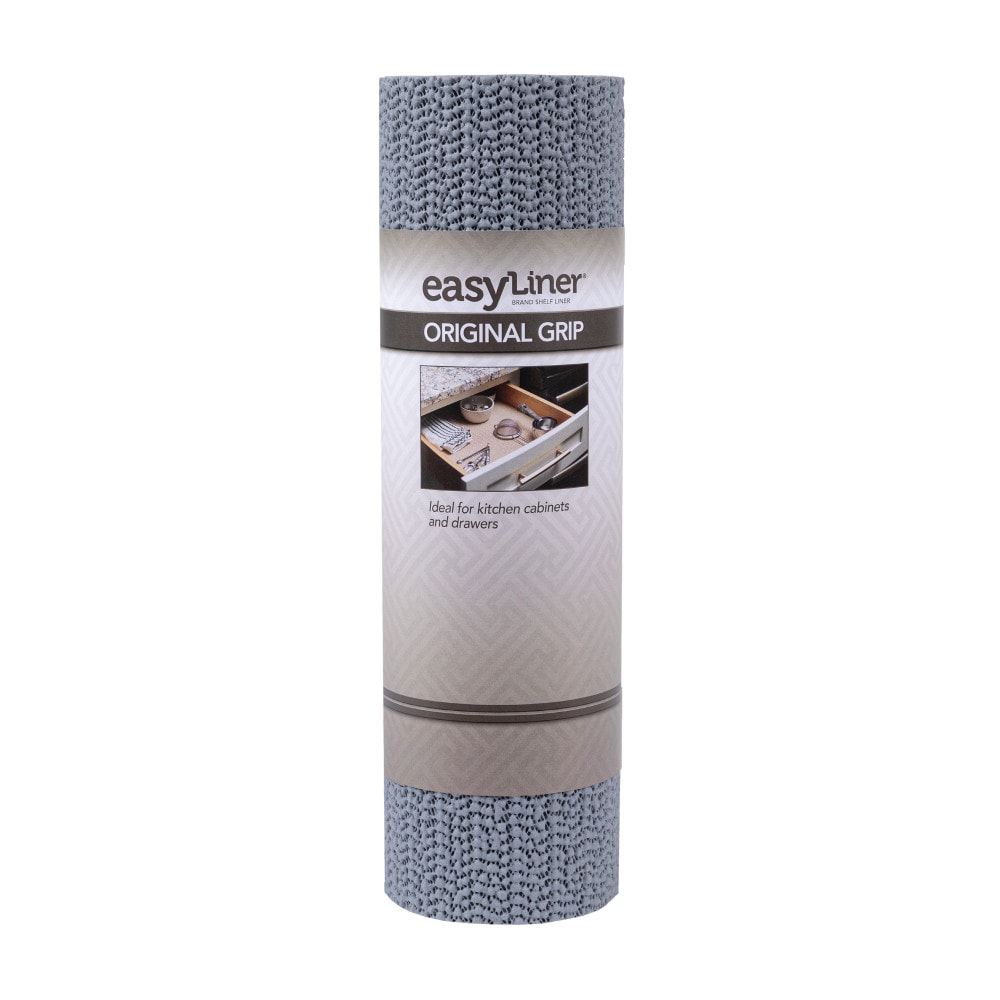
5. Clean from top to bottom: When cleaning your kitchen cabinets, always start from the top and work your way down. This ensures that any dust or debris that falls during the cleaning process will be wiped away as you move downward, preventing the need for additional cleaning.
6. Schedule regular cabinet cleaning: To keep your kitchen cabinets looking their best, establish a regular cleaning schedule. This will help prevent the buildup of dirt, grease, and grime, making it easier to maintain a clean and healthy kitchen environment.
By incorporating these kitchen cabinet cleaning hacks into your routine, you can ensure that your cabinets remain in excellent condition for years to come. In the next sections, we'll discuss maintenance tips to keep your kitchen cabinets looking like new and how to choose the right wood cleaner for your kitchen cabinets. Mastering these kitchen cleaning techniques will contribute to a sparkling and well-maintained home.
Maintenance Tips to Keep Your Kitchen Cabinets Looking Like New
Maintenance Tips to Keep Your Kitchen Cabinets Looking Like New
Now that you've mastered some essential kitchen cabinet cleaning hacks, it's crucial to focus on maintaining their pristine condition. By following these simple maintenance tips, you can keep your kitchen cabinets looking like new for years to come.
1. Regularly dust your cabinets: Dust can accumulate on your cabinets over time, dulling their appearance. To prevent this, use a soft, microfiber cloth to gently dust your cabinets at least once a week. This will help maintain their shine and prevent dirt buildup.
2. Avoid direct sunlight: Prolonged exposure to direct sunlight can cause your wood cabinets to fade or become discolored. To protect your cabinets, use window treatments like blinds or curtains to block out harsh sunlight, especially during peak hours.
3. Control humidity levels: High humidity can cause wood cabinets to warp or swell. To maintain the integrity of your cabinets, use a dehumidifier or air conditioner to regulate humidity levels in your kitchen, especially during hot and humid months.
4. Use gentle cleaning products: When cleaning your cabinets, always opt for gentle, non-abrasive cleaning solutions. Avoid using harsh chemicals or abrasive scrubbers, as they can damage the wood's finish. Stick to natural cleaners or mild detergents for the best results.
5. Inspect and repair damage promptly: Regularly inspect your cabinets for signs of damage, such as chipping, warping, or peeling paint. Address any issues promptly to prevent further deterioration and maintain your cabinets' appearance.
6. Polish wood cabinets periodically: To keep your wood cabinets looking their best, apply a high-quality wood polish every few months. This will help maintain their shine and protect the wood from damage. 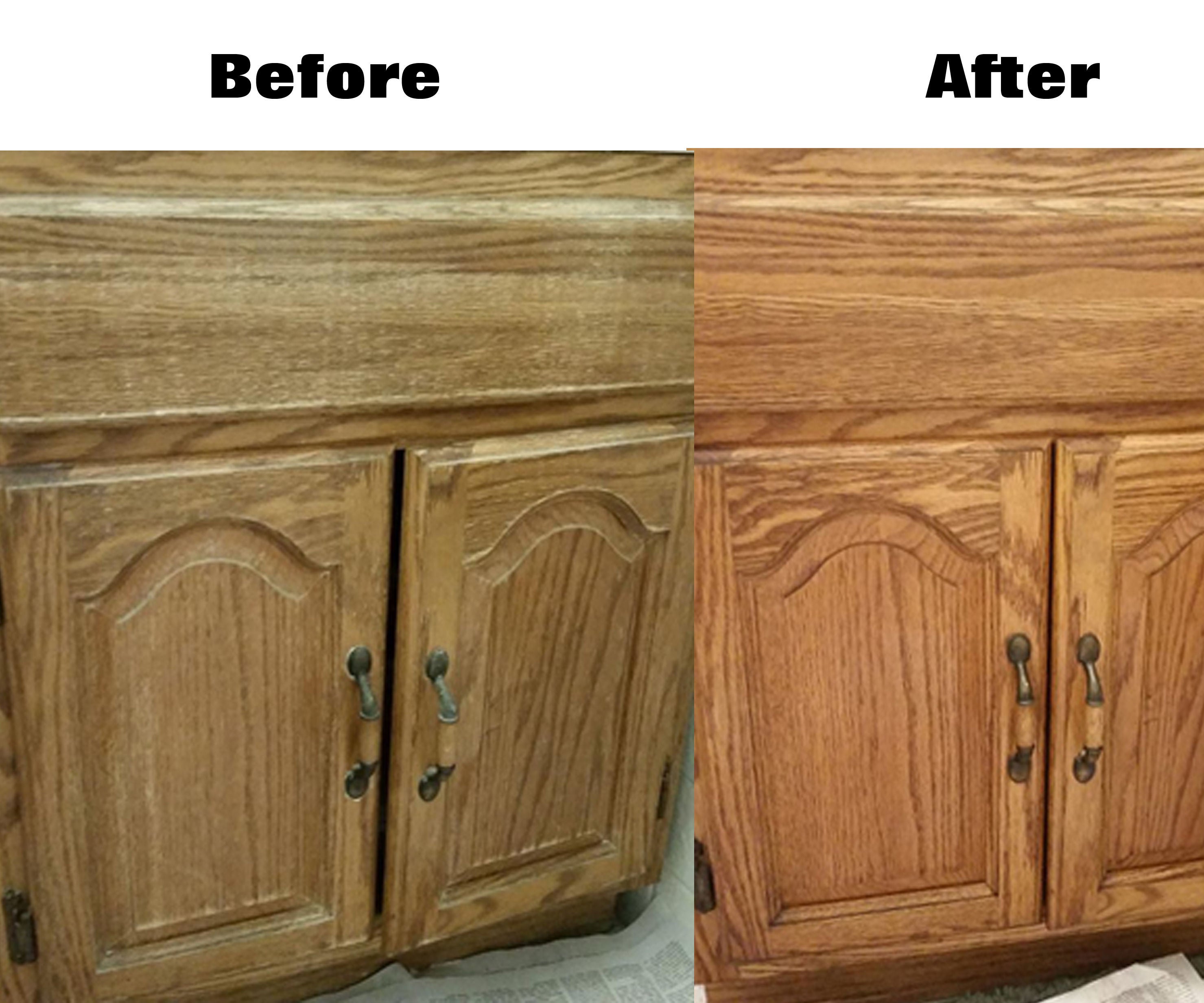
7. Adjust cabinet doors and hinges: Over time, cabinet doors and hinges can become misaligned, causing them to not close properly. Regularly check and adjust your cabinet doors and hinges to ensure they are functioning correctly and maintain a polished appearance.
By incorporating these maintenance tips into your kitchen cleaning routine, you can keep your cabinets looking like new and extend their lifespan. In the following sections, we'll discuss choosing the right wood cleaner for your kitchen cabinets and mastering kitchen cleaning techniques for a sparkling home.
Choosing the Right Wood Cleaner for Your Kitchen Cabinets
Choosing the Right Wood Cleaner for Your Kitchen Cabinets
When it comes to cleaning wood cabinets, selecting the right cleaner is essential to maintain their appearance and longevity. With a variety of wood cleaners available on the market, it can be challenging to determine which one is best for your kitchen cabinets. To help you make an informed decision, consider the following factors:
1. Type of wood: Different types of wood require different cleaning solutions. For example, hardwood cabinets like oak, maple, or cherry may benefit from a gentle, oil-based cleaner, while softwood cabinets like pine or cedar may require a milder, water-based cleaner. Always consult your cabinet manufacturer's recommendations before choosing a cleaner.
2. Finish: The type of finish on your cabinets also plays a crucial role in selecting the appropriate cleaner. Cabinets with a natural, oil-based finish may require a different cleaner than those with a lacquer or varnish finish. Be sure to choose a cleaner specifically designed for your cabinet's finish to avoid damaging the surface.
3. Grease removal: Grease buildup is a common issue in kitchens, and it's essential to choose a cleaner that effectively removes grease from your cabinets. Look for cleaners that specifically mention grease removal on the label, or opt for natural solutions like a vinegar and water mixture for a more eco-friendly option.
4. Eco-friendliness: If you prefer cleaning kitchen cabinets naturally, consider using eco-friendly wood cleaners. These products are made from plant-based ingredients and are free of harsh chemicals, making them safe for both your cabinets and the environment.
5. User reviews: Before purchasing a wood cleaner, read user reviews to gain insight into its effectiveness and ease of use. This can help you make a more informed decision and ensure you choose the best cabinet cleaner for your needs.
By considering these factors, you can confidently select the right wood cleaner for your kitchen cabinets, ensuring they remain in excellent condition for years to come. In the next section, we'll explore mastering kitchen cleaning techniques for a sparkling home.
Mastering Kitchen Cleaning Techniques for a Sparkling Home
Mastering Kitchen Cleaning Techniques for a Sparkling Home
Now that you've learned how to choose the best cabinet cleaner and maintain your kitchen cabinets, it's time to master kitchen cleaning techniques that will leave your entire home sparkling. A clean and organized kitchen not only looks great but also promotes a healthier living environment. Follow these expert tips to elevate your kitchen cleaning game:
1. Create a cleaning schedule: Establishing a routine for cleaning your kitchen can help you stay on top of tasks and prevent the buildup of dirt and grime. Break down tasks into daily, weekly, and monthly chores to make the process more manageable. For example, wiping down countertops and sweeping the floor can be daily tasks, while deep cleaning appliances and cabinets can be done monthly.
2. Use natural cleaning solutions: As mentioned earlier, cleaning kitchen cabinets naturally is not only eco-friendly but also gentle on surfaces. You can use natural ingredients like vinegar, baking soda, and lemon to clean various areas of your kitchen, including countertops, sinks, and appliances. These ingredients are effective in removing stains, grease, and odors without harming the environment or your family's health.
3. Tackle grease removal from kitchen cabinets: Grease buildup can be stubborn and challenging to remove. To effectively tackle grease stains, mix equal parts of vinegar and warm water in a spray bottle. Spray the solution onto the greasy areas and let it sit for a few minutes before wiping it off with a soft cloth. This method is effective for both wood and laminate cabinets.
4. Utilize kitchen cabinet cleaning hacks: Make use of clever hacks to simplify your kitchen cleaning process. For example, use a toothbrush to clean hard-to-reach areas like cabinet handles and crevices. Another hack is to place a sheet of wax paper at the bottom of your cabinets to catch spills and crumbs, making cleanup a breeze.
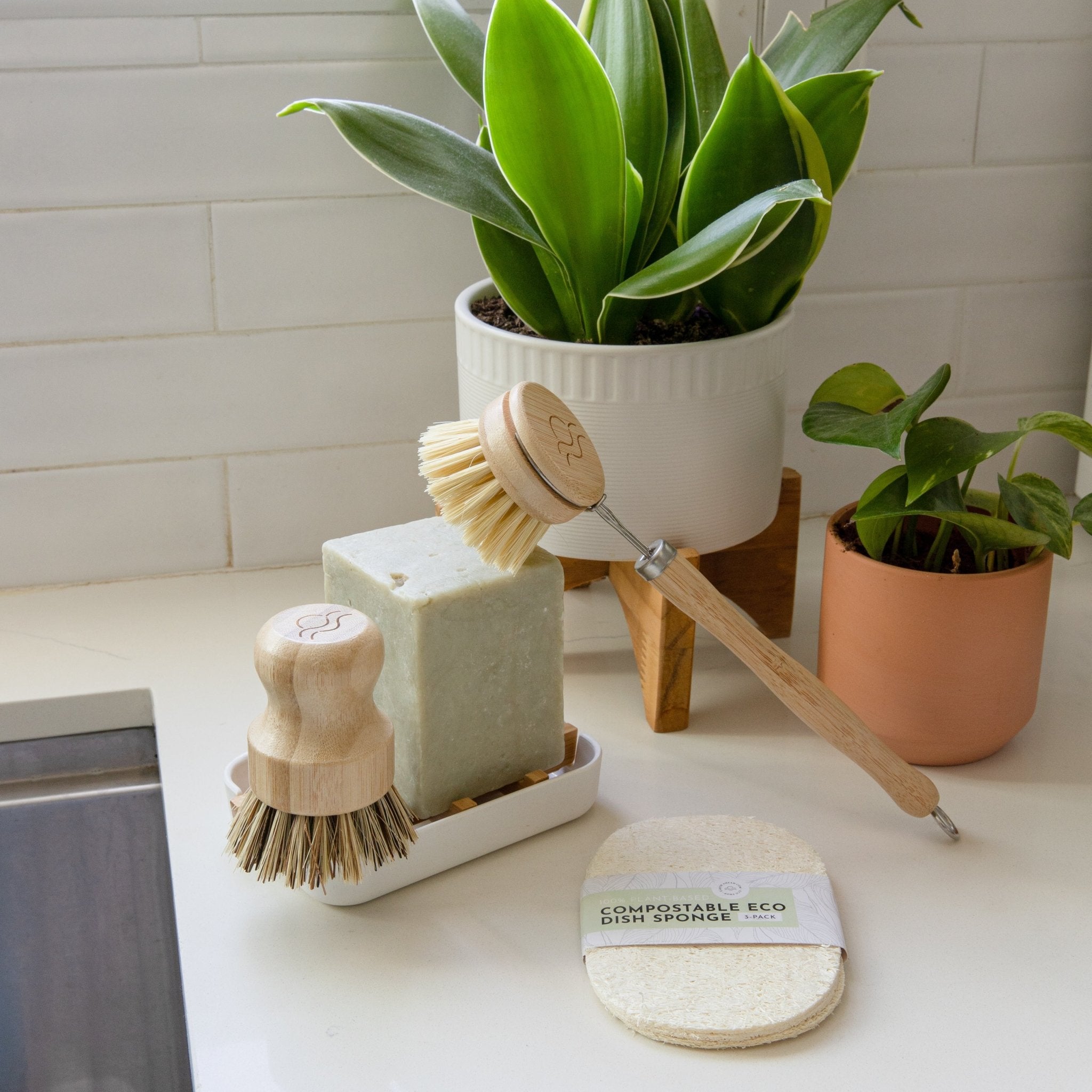
5. Invest in quality cleaning tools: High-quality cleaning tools, such as microfiber cloths, scrub brushes, and sponges, can make a significant difference in the effectiveness of your cleaning efforts. These tools not only make the process more efficient but also help protect your kitchen surfaces from scratches and damage.
6. Don't forget the small details: Pay attention to often-overlooked areas, such as light fixtures, cabinet tops, and baseboards. Regularly dusting and wiping down these areas can make a significant impact on the overall cleanliness of your kitchen.
By mastering these kitchen cleaning techniques, you'll create a sparkling, inviting space that you and your family will love to spend time in. Remember, a clean kitchen is a healthy kitchen, so invest time and effort into maintaining its cleanliness for a happier, healthier home.

No comments yet. Be the first to share your thoughts!