
Kickstart Your Kitchen Clean-Up: The Grease Trap Cleaning Guide
Ever gazed at your kitchen and thought, "I've got this sparkling clean," only to be ambushed by an unpleasant odor wafting from the grease trap? You're not alone. Many of us overlook this unassuming appliance, but it plays a critical role in maintaining a clean, hygienic kitchen.
Grease traps are the unsung heroes of our kitchens, tirelessly working to separate grease from wastewater. But like all heroes, they need a little TLC to continue performing their best. That's where professional grease trap cleaning comes in. It's not just about freshening up your kitchen, but also preserving the longevity of your appliances and plumbing system.
With the right grease removal techniques and eco-friendly cleaning methods, you can achieve a deep cleaning of your kitchen appliances that's nothing short of transformative. So, are you ready to dive into the ultimate grease trap cleaning guide and say goodbye to grease? Let's turn that kitchen cleaning nightmare into a dream!
The Magic Behind the Grease Trap: How Does It Work?
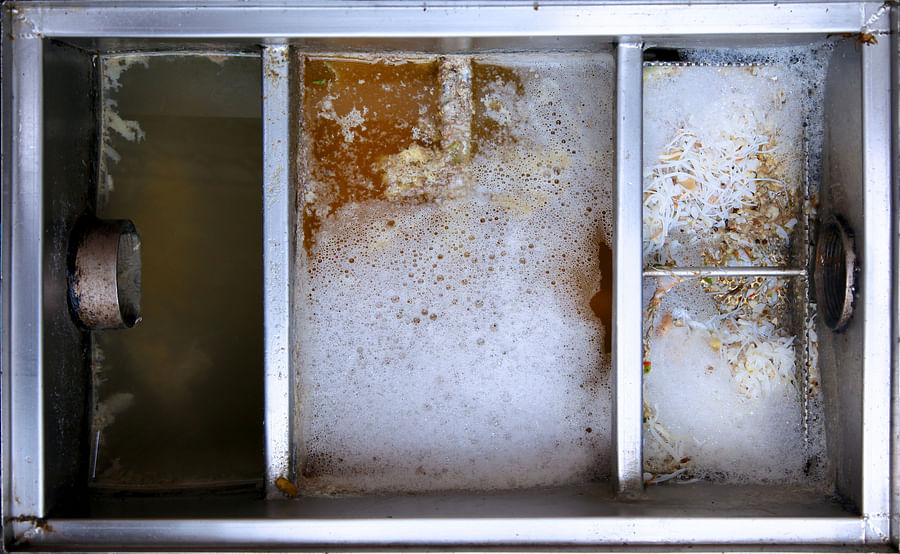
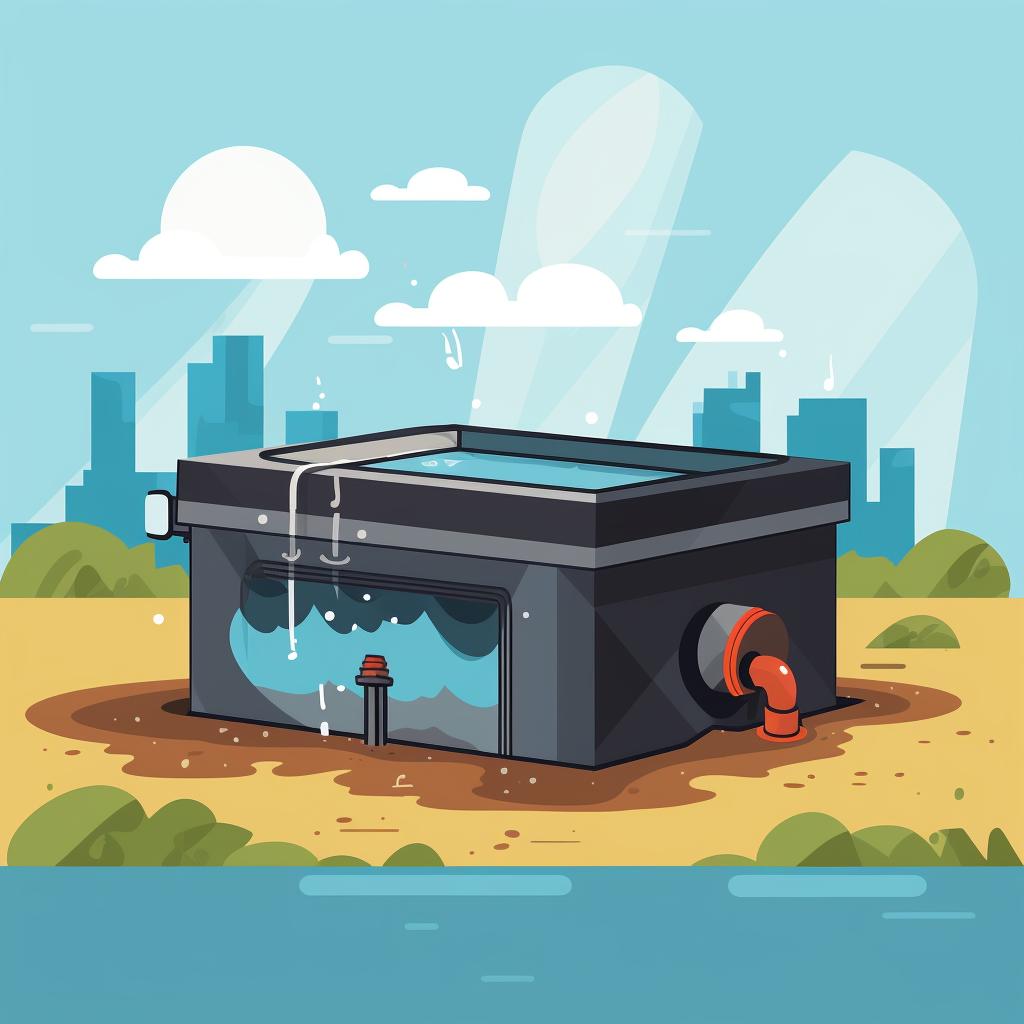
Imagine your grease trap as the bouncer of your kitchen's plumbing system. Its job? To prevent the rowdy, uninvited guests - grease, oil, and fat - from crashing the party in your pipes. As water from your sink enters the trap, a cooling process takes place, solidifying the grease. This allows the trap to do its magic, separating the grease and letting the water flow freely. It's like a magic show, isn't it?
However, like any good bouncer, a grease trap can only handle so much. Over time, the accumulated grease can cause a blockage, turning your kitchen into a greasy nightmare. But, what if you could prevent this? This is where our grease trap cleaning guide comes in, offering eco-friendly cleaning methods and deep cleaning kitchen appliances tips to keep your trap in top shape. Ready to roll up your sleeves?
Remember, a clean grease trap is a happy grease trap. And a happy grease trap makes for a happy kitchen, and ultimately, a happy you. So, why not give your kitchen the love it deserves?
Is Your Grease Trap Crying Out for a Clean? Here's How to Tell
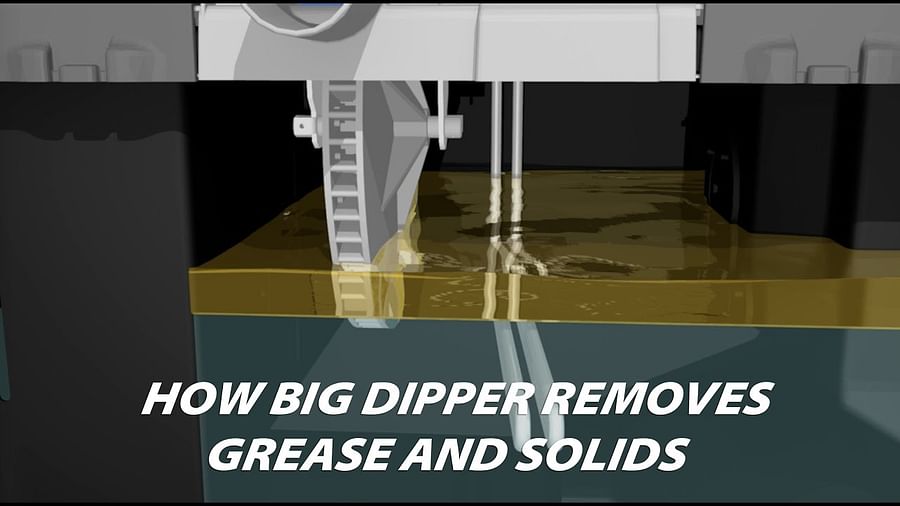
Have you ever walked into your kitchen and been hit by a smell that could wake the dead? Or perhaps you've noticed your sink draining slower than a snail crossing a sidewalk? These are not just signs of a bad day, but rather a cry for help from your grease trap. Yes, your grease trap might be silently suffering, yearning for a bit of tender loving care.
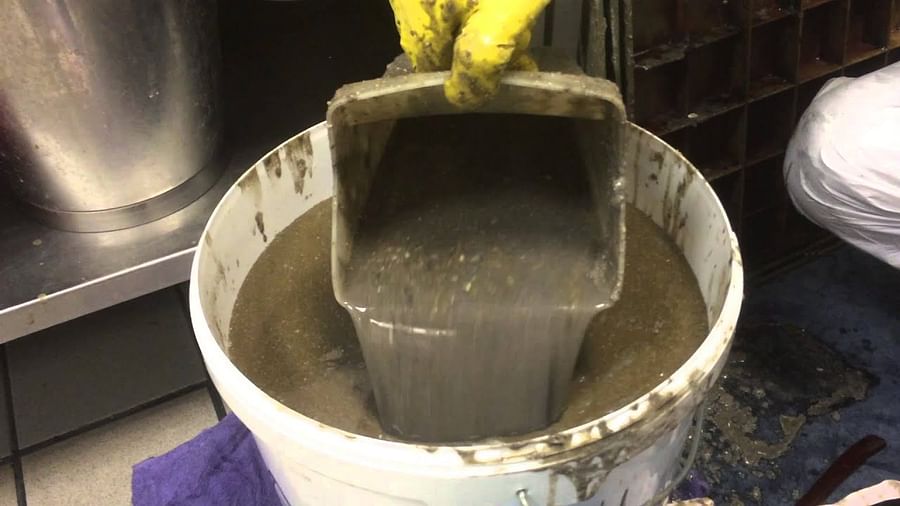
From foul odors that could rival a zombie apocalypse, to slow drainage, and visible grease buildup, these are the tell-tale signs that your grease trap is pleading for a good clean. It's like your kitchen's version of a white flag, a desperate SOS signal that can't be ignored. So, what do you do? Do you turn a blind eye, or do you roll up your sleeves and get to work?
Don't worry, this grease trap cleaning guide is here to help. Armed with our kitchen cleaning tips and grease removal techniques, you'll be ready to tackle even the most stubborn grease trap. And the best part? Our eco-friendly cleaning methods not only ensure a deep clean for your kitchen appliances but also help you do your bit for Mother Earth. So, are you ready to say goodbye to grease?
Signs That Your Grease Trap Needs Cleaning
- Foul Odor: If your kitchen is filled with an unpleasant smell, it's a clear sign that your grease trap needs to be cleaned. This odor is caused by the accumulation of fats, oils, and greases.
- Slow Drainage: A slow-moving drain can indicate a clogged grease trap. If your sinks are draining slower than usual, it's time to inspect your grease trap. Test your knowledge on common bathroom sink drain issues.
- Visible Grease Buildup: If you can see a noticeable amount of grease around the trap area, it's a sure sign that your grease trap needs a thorough cleaning. Learn more about grease trap cleaning, DIY tips, and when to call the professionals.
- Overflowing Grease Trap: An overflowing grease trap is a serious issue that needs immediate attention. This could lead to major plumbing problems and health hazards. Follow our step-by-step guide to DIY grease trap cleaning.
- Poorly Functioning Kitchen Appliances: If your kitchen appliances are not working as efficiently as they should, it could be due to a clogged grease trap.
Be Your Own Hero: A DIY Guide to Grease Trap Cleaning
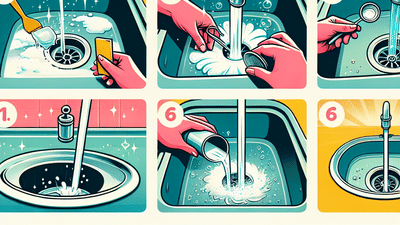
Now that we understand the importance of grease trap cleaning and how a grease trap works, let's roll up our sleeves and get to work. Here's a step-by-step guide to help you clean your grease trap like a pro.
The Ultimate DIY Guide to Grease Trap Cleaning





Learn more about The Ultimate DIY Guide to Grease Trap Cleaning or discover other Clean Envy guides.
Well done! You've just completed a DIY grease trap cleaning. Now, let's compare this process with professional cleaning and discuss the pros and cons of each.
DIY or Call a Pro? The Great Grease Trap Cleaning Debate
Roll up your sleeves, folks! It's time to dive into the nitty-gritty world of grease trap cleaning. You're standing at a crossroads: to DIY or hire a professional? Well, let's weigh our options.
On one hand, you've got the DIY route. You're armed with this ultimate grease trap cleaning guide, eco-friendly cleaning methods, and a can-do attitude. It's a cost-effective way to get your hands dirty (quite literally) and gain a deeper understanding of your kitchen appliances. But, remember - it's not for the faint-hearted. It requires time, effort, and a knack for grease removal techniques.
On the other hand, there's the option of professional grease trap cleaning. Imagine sitting back, sipping your coffee, while an expert does the dirty work. They come equipped with specialized tools, experience, and knowledge to do the job efficiently and effectively. However, this convenience comes with a price tag.
So, what's it going to be? Are you ready to conquer the grease or would you rather leave it to the pros?
DIY Cleaning vs Professional Cleaning: Pros and Cons
To help you make an informed decision, let's weigh the pros and cons of both DIY cleaning and hiring a professional service.
| DIY Cleaning | Professional Cleaning | |
|---|---|---|
| Pros | 💰 Cost-effective
🕒 Flexible timing 🔧 Learning opportunity |
👍 Expert cleaning
🛡️ Compliance with regulations 🔄 Regular maintenance |
| Cons | 🧽 Labor-intensive
📚 Requires learning ❌ Risk of improper cleaning |
💸 Can be expensive
📅 Need to schedule appointment 🔒 Long-term contract may be required |
Now that you've seen the pros and cons of both options, it's time to decide which one suits your needs best. If you decide to go the DIY route, you'll need some essential tools and products for grease trap cleaning. Let's explore them in the next section.
Arm Yourself: Must-Have Tools and Products for Grease Trap Cleaning
Essential Grease-Busting Tools and Products for Effective Grease Trap Cleaning
You Asked, We Answered: Common Questions on Grease Trap Cleaning
We've compiled some of the most common questions we receive about grease trap cleaning. Here are the answers to help you understand this essential maintenance task better.
Now that we've answered your questions about grease trap cleaning, why not test your understanding with our interactive quiz?
Grease Trap Cleaning Knowledge Test
Test your understanding of grease trap cleaning with this interactive quiz!
Learn more about 🧪 Grease Trap Cleaning Knowledge Test 🧪 or discover other Clean Envy quizzes.
Love Your Grease Trap: Top Maintenance Tips to Keep It Happy
Imagine this: you've just whipped up a culinary masterpiece in your kitchen, the aroma of your creation wafting through your home. But wait, what's that other smell? Ah, the not-so-delightful scent of a neglected grease trap. How can you prevent this unwelcome guest from invading your kitchen sanctuary? Let's dive into some essential kitchen cleaning tips to keep your grease trap happy.
Firstly, remember the golden rule of grease trap maintenance: consistency is key. Regularly scheduled cleanings are a must. Think of it as a spa day for your grease trap, a time for deep cleaning kitchen appliances, including this often overlooked hero. Wouldn't you prefer a proactive approach rather than dealing with a grease-filled crisis?
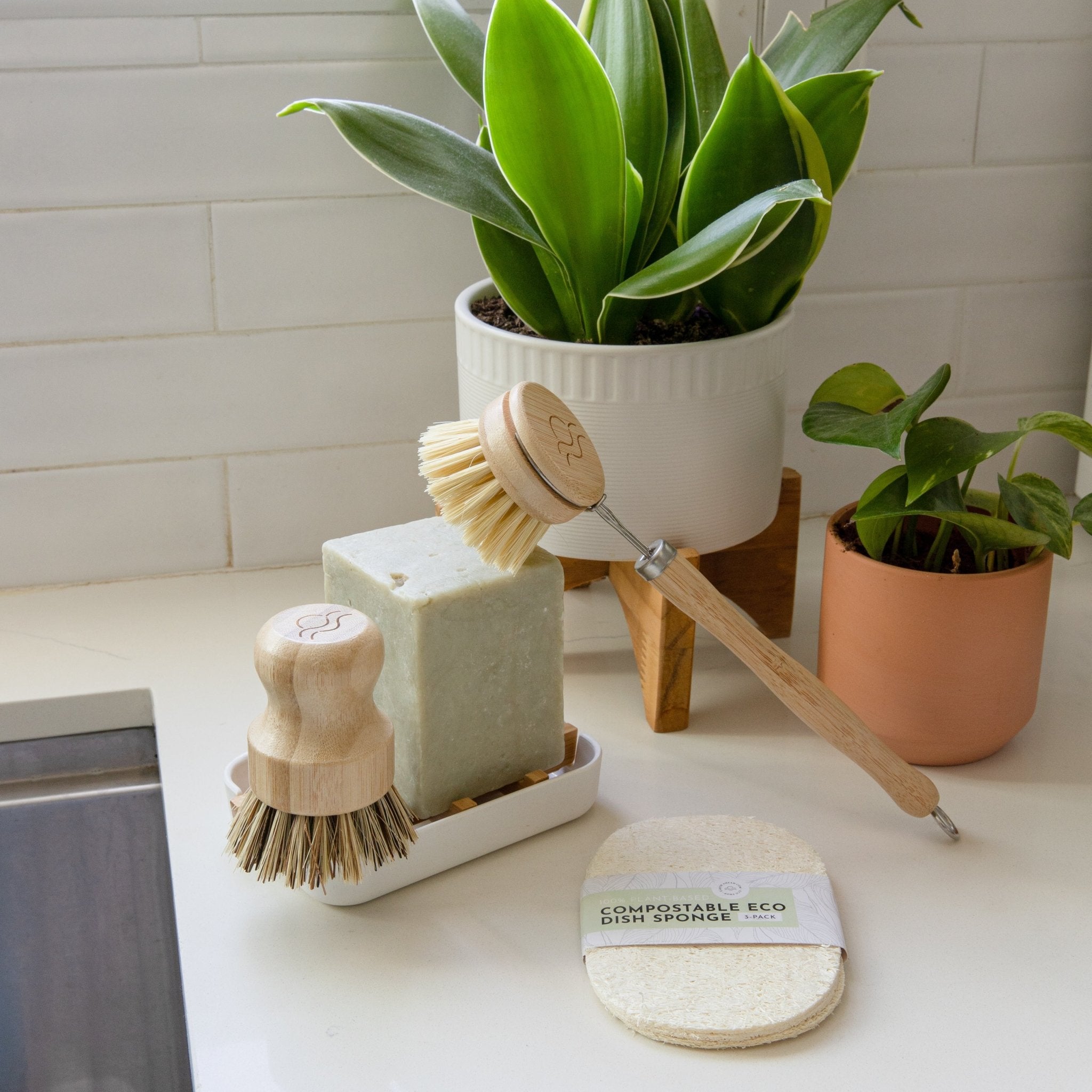
Next, consider the tools you're using. Are they up to the task? Employing the right grease removal techniques can make a world of difference. Explore the wonders of eco-friendly cleaning methods, and you'll not only have a clean grease trap but also a greener conscience.
Lastly, don't shy away from calling in the pros. A professional grease trap cleaning can be a game-changer, especially for those stubborn, hard-to-reach areas. After all, who better to perform a grease trap cleaning than a seasoned expert?
So there you have it, folks. A few simple yet effective ways to maintain your grease trap. Remember, a happy grease trap means a happy kitchen, and a happy kitchen means a happy you. Let's keep the grease where it belongs - in the trap, not in your nostrils.
Now that we've covered the basics of maintaining your grease trap, let's dive into a handy checklist that you can follow to ensure your trap stays in top shape.
By following this checklist, you're taking a proactive approach to grease trap maintenance. This will not only keep your kitchen running smoothly but also prevent costly repairs down the line. Up next, we'll wrap up our guide and summarize the importance of regular grease trap cleaning.
Wrapping Up: The Last Word on Grease Trap Cleaning
And so, we've come full circle, ending up back where we started - the importance of grease trap cleaning and regular maintenance. Remember what we said about your kitchen being a symphony and the grease trap, the unsung hero? Well, it's time to give this hero the standing ovation it deserves.
When we neglect our grease trap, we're essentially turning a blind eye to a ticking time bomb. The grease doesn’t just magically disappear, and the odor certainly doesn’t come from a mythical stench fairy. It’s up to us to bring in the elbow grease and show this appliance some TLC. So, will you let your grease trap drown in its own filth, or will you take our grease trap cleaning guide to heart and rescue it?
Consider this: your grease trap is the bouncer of your kitchen plumbing, keeping unwanted grease from causing havoc. Wouldn't you want to keep your bouncer happy? Deep cleaning kitchen appliances, especially the grease trap, isn’t just an errand on your to-do list. It’s a responsibility, an eco-friendly pledge, a testament to your commitment towards a clean, functioning kitchen. And remember, whether you opt for DIY or professional grease trap cleaning, the goal remains the same - a grease-free, happy kitchen.
So, as we bid adieu, we leave you with one final thought - will you be the hero your grease trap needs? The choice is yours.

No comments yet. Be the first to share your thoughts!