
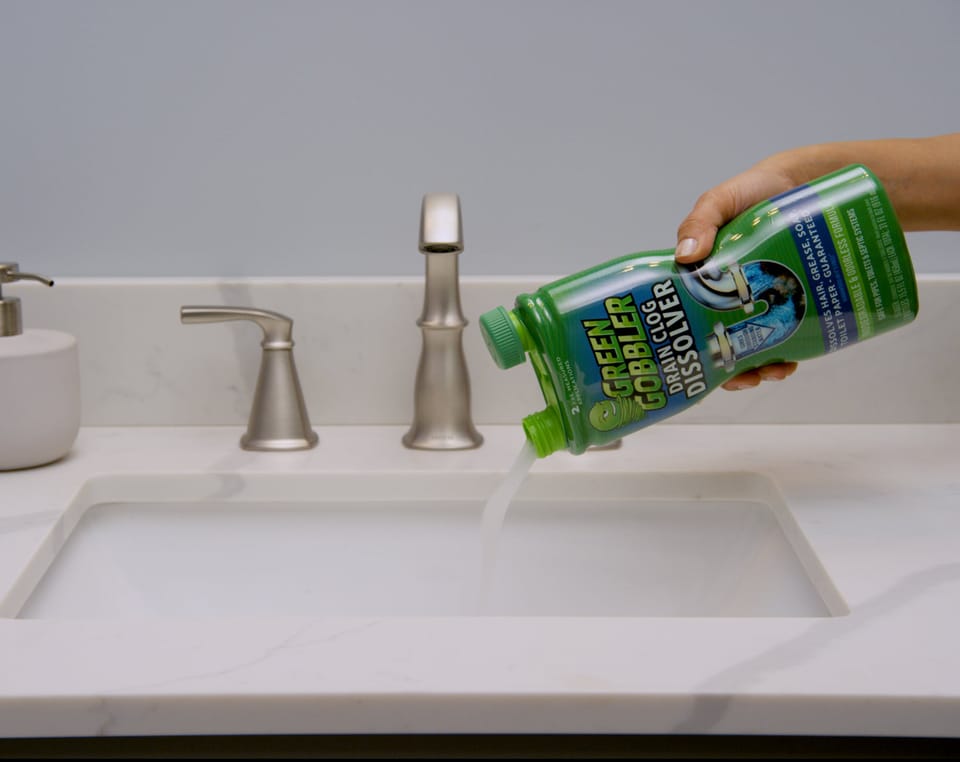

Welcome to the World of Sparkling Bathroom Sinks: Preventing Clogs and Odors
Imagine walking into your bathroom and being greeted by a pristine, odor-free sink. Sounds dreamy, right? But what if your bathroom sink won't drain no clog, or worse, it keeps getting clogged? Or perhaps, you're dealing with a persistent, unpleasant odor that just won't go away? Fret not, dear reader, for we have just the solution for you. Welcome to the world of effective bathroom sink drain maintenance—a universe where clogs and odors are as mythical as unicorns! Bathroom sink cleaning tips and drain cleaning hacks are your magic wands in this realm, ensuring your sink remains as fresh as a daisy and as sparkling as a star. So, are you ready to wave goodbye to your drain woes and embrace a cleaner, fresher bathroom experience?
Bathroom Sink Woes: Unmasking the Common Culprits of Clogs and Odors
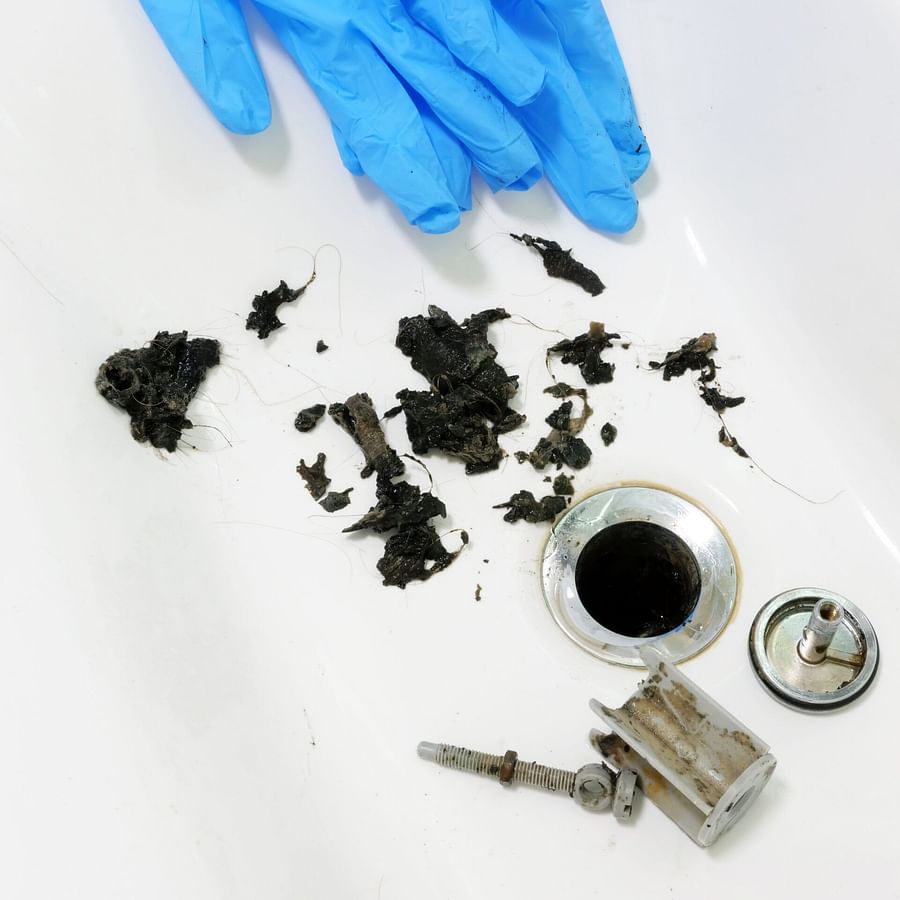
Ever noticed your bathroom sink taking longer to drain? Or perhaps you've been assaulted by a foul smell wafting from your sink? These are common issues that many homeowners face. The culprits? Accumulation of hair, toothpaste, soap scum, and other debris in your drain. These not only cause clogs and slow drainage but also create a breeding ground for bacteria, resulting in unpleasant odors. Just like maintaining your kitchen sink or water softener, routine care of your bathroom sink is crucial. But fret not! With the right bathroom sink cleaning tips and drain cleaning hacks, you can keep your sink draining smoothly and smelling fresh. Ready to dive into the world of DIY sink unclogging and odor-free bathroom sinks? Let's get started!
Common Bathroom Sink Drain Issues
Test your knowledge about common bathroom sink drain issues and how to prevent them.
Learn more about 🚽 Test Your Knowledge: Common Bathroom Sink Drain Issues 🚰 or discover other Clean Envy quizzes.
Your Daily Sink-Care Routine: Habits to Keep Your Bathroom Sink Clog-Free and Fresh
Ever wondered why your bathroom sink keeps getting clogged, despite your best efforts? Or perhaps you're grappling with a pesky odor that simply won't go away? The secret to an unclogged, odor-free bathroom sink lies in your daily habits. Here's the scoop: regular maintenance is key. Avoiding the disposal of items like hair, food particles, or toothpaste down the drain can work wonders. Consider using a sink strainer to catch these culprits. And don't forget to clean the strainer regularly, just as you would with your dishwasher. Remember, a little attention every day can save you from a big headache tomorrow. So, are you ready to transform your bathroom sink woes into a thing of the past?
Daily Habits to Prevent Bathroom Sink Drain Clogs and Odors
- Avoid disposing certain items down the sink: Things like hair, soap scum, dental floss, and food particles should never go down your sink drain. These items can easily cause clogs and lead to unpleasant odors.
- Use a sink strainer: A sink strainer is a simple but effective tool that catches debris before it goes down the drain. It's an excellent preventive measure against clogs.
- Clean the strainer regularly: While a strainer can catch debris, it can't do its job effectively if it's clogged itself. Make it a habit to clean your sink strainer regularly.
- Maintain regular cleaning: Regularly clean your sink and drain with a mild cleaner to prevent buildup and keep your sink smelling fresh. A weekly cleaning routine is a good starting point.
- Run hot water after use: After using the sink, run hot water down the drain for a few seconds. This can help to flush away any residue that may have been left behind.
- Use a drain cover: If you don't have a strainer, a drain cover can also help to prevent unwanted items from going down your sink drain.
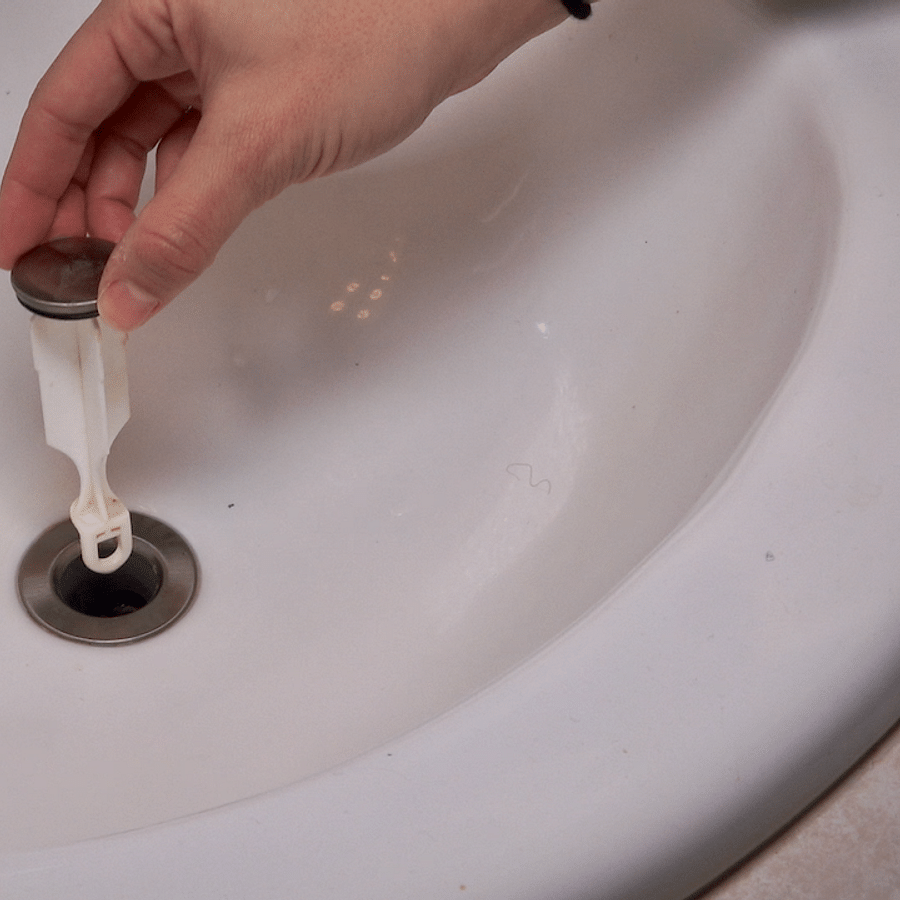
Mastering the Art of Sink Maintenance: Your DIY Guide to Regular Bathroom Sink Cleaning
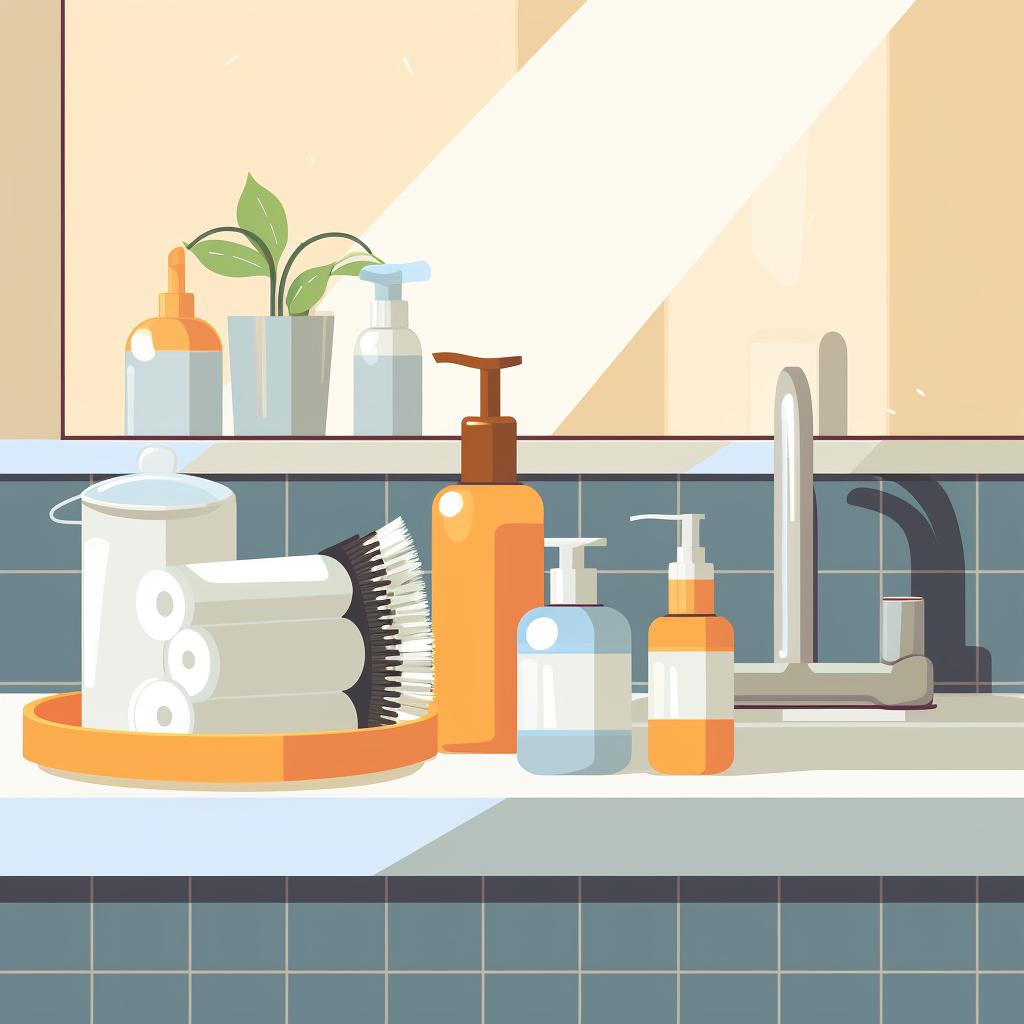
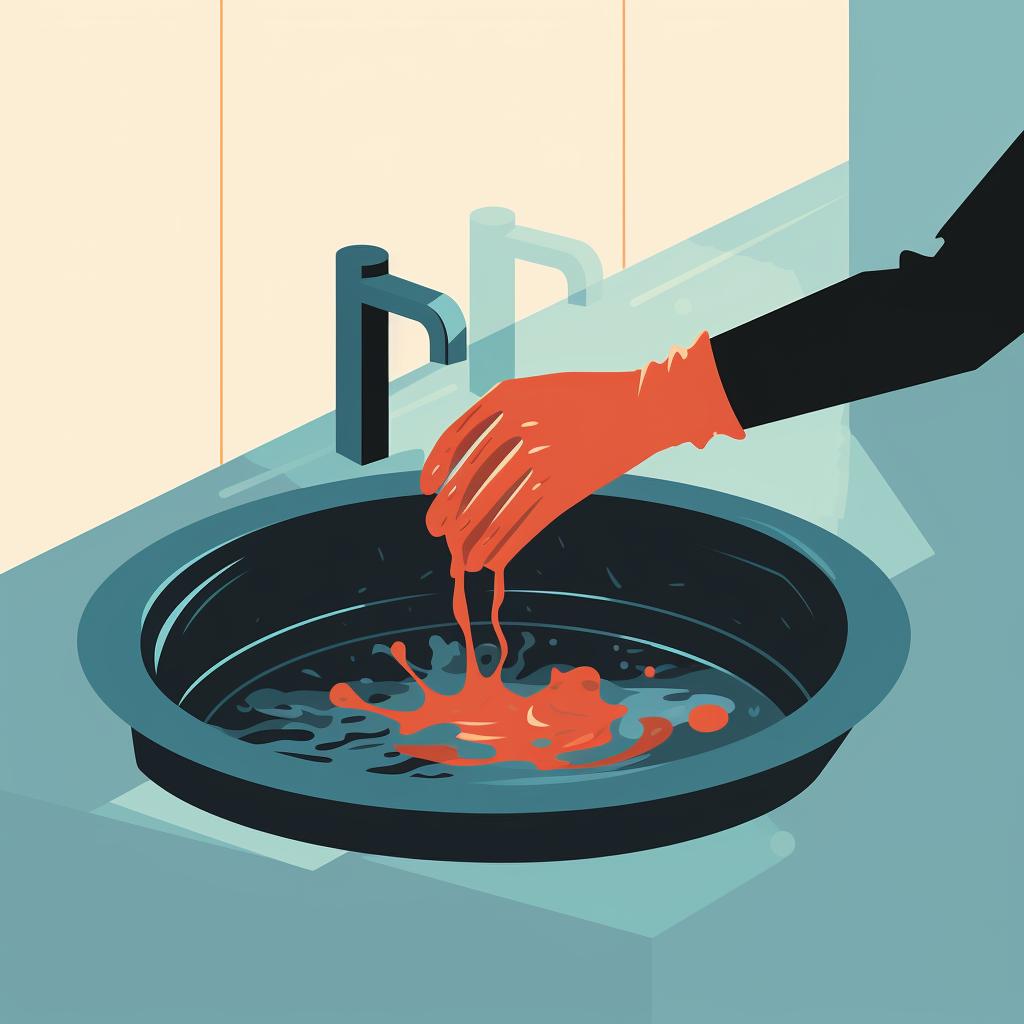
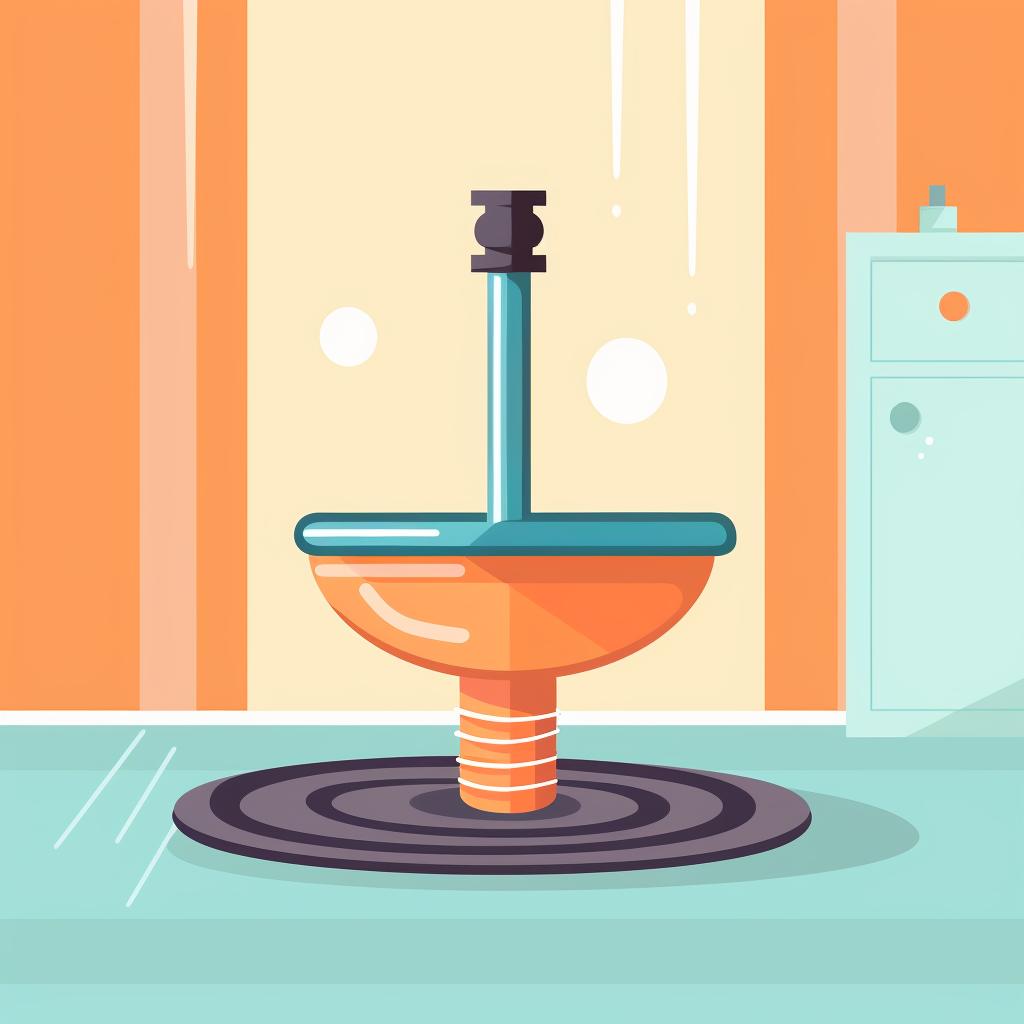
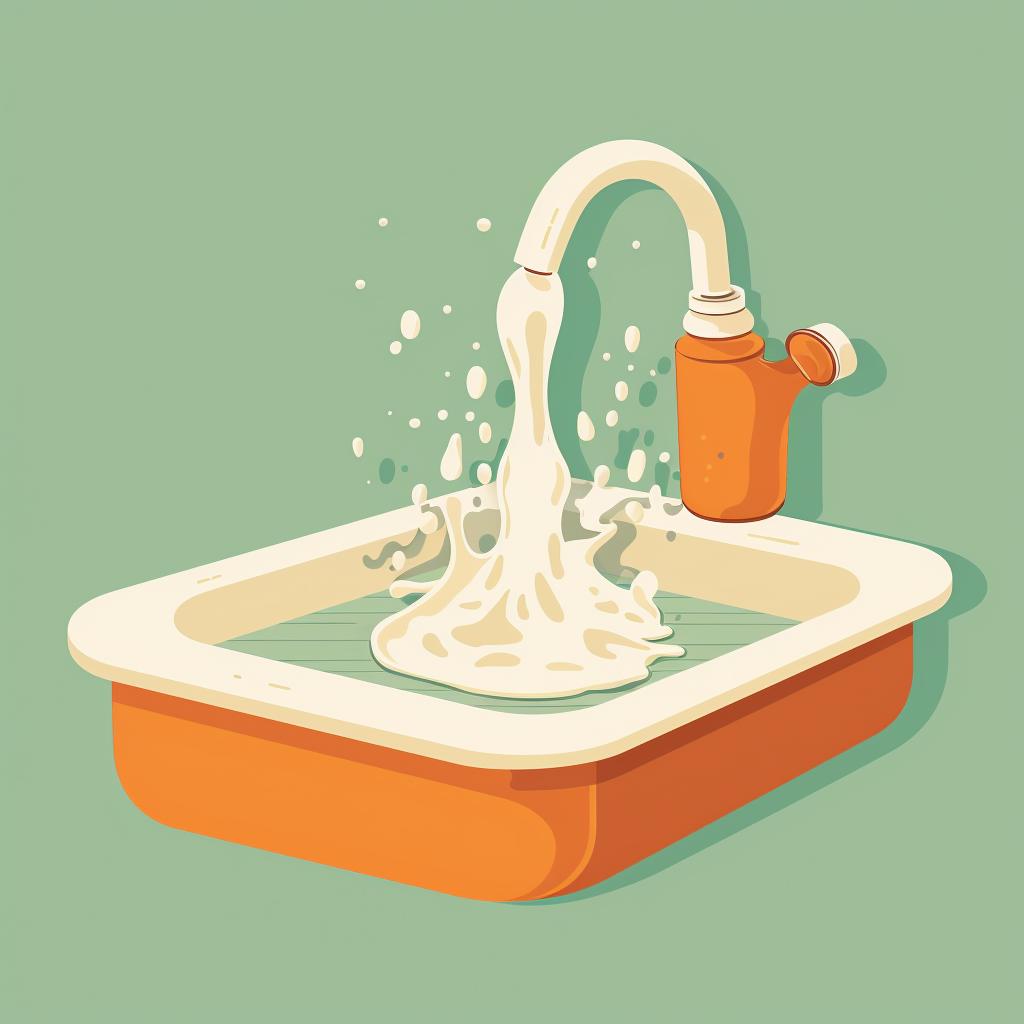
Now that we've discussed the common issues and daily practices, let's dive into the step-by-step guide to maintaining your bathroom sink drain on a weekly or monthly basis.
Your DIY Guide to Sparkling Clean Bathroom Sink Drains

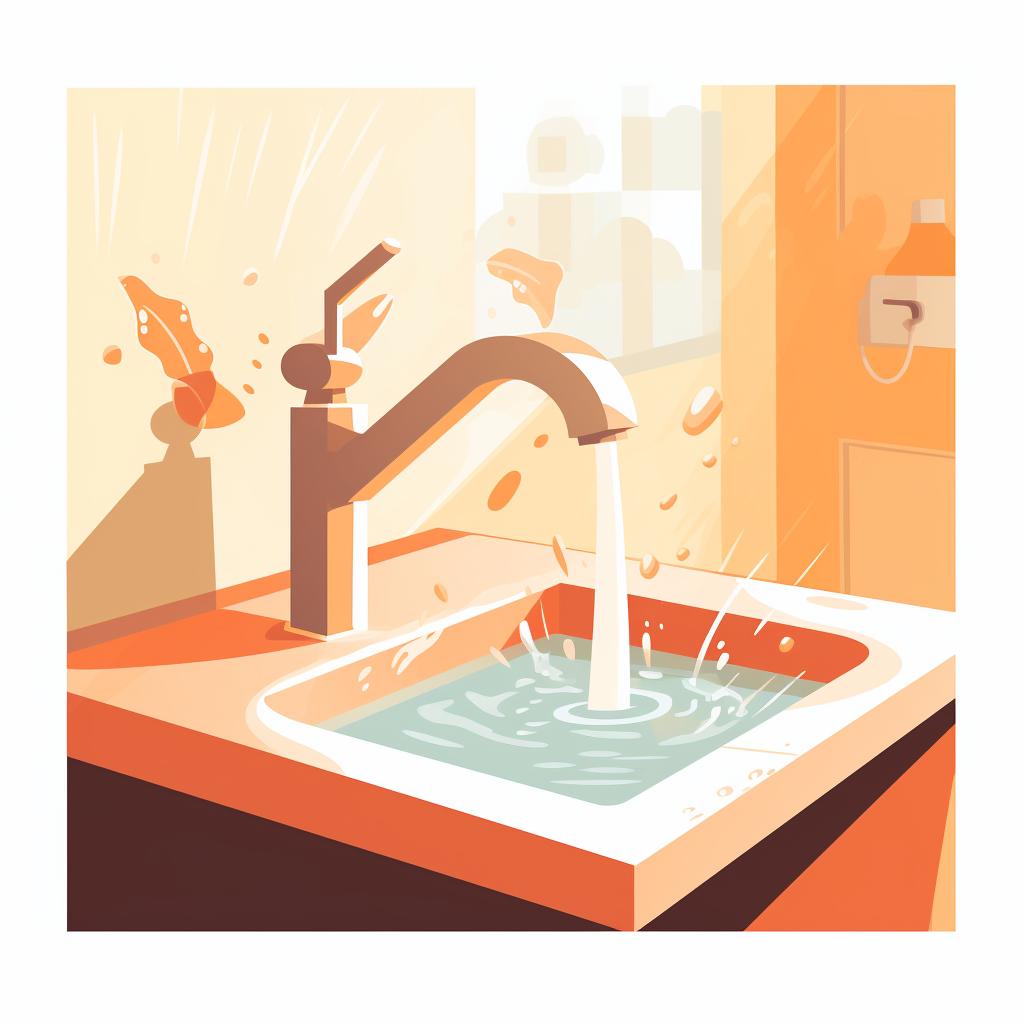
Learn more about Your DIY Guide to Sparkling Clean Bathroom Sink Drains ✨ or discover other Clean Envy guides.
Following these steps will ensure your bathroom sink drain remains clean and clear. Now, let's watch a video demonstration of these cleaning techniques for a more practical understanding.
Now that we've discussed the steps for maintaining your bathroom sink drains, let's take a look at a practical demonstration. This video from Roto-Rooter shows you how to clean a sink drain using baking soda and vinegar, a safe and effective method for regular maintenance.
The video provides a clear visual guide to the process we've just discussed. Notice how easy it is to perform this regular maintenance task with just a few household items. Now, let's move on to the checklist of tools and cleaning materials you'll need to keep your bathroom sink drains in top shape.
Now that you've seen the cleaning process in action, let's make sure you have everything you need to get started. Here's a handy checklist of the tools and materials you'll need:
With these tools and materials at your disposal, you're well-prepared to tackle any clogs or odors in your bathroom sink drain. Remember, prevention is key, but if problems do arise, refer to the next section for solutions.
Sink SOS: DIY Solutions and Expert Tips for Tackling Clogs and Odors
When your bathroom sink starts to smell like a forgotten sewer or refuses to drain, it's time to roll up your sleeves. Don't panic! There are several DIY sink unclogging and odor elimination strategies you can try before calling in the cavalry. A homemade sink unclogger, for instance, can be as simple as a mixture of vinegar and baking soda. Pour this effervescent duo down the drain, let it sit, then flush with hot water. Voila! An unclogged, odor-free bathroom sink.
However, if your bathroom sink won't unclog despite your best efforts, it's time to call a professional. After all, you wouldn't want to damage your pipes with excessive DIY enthusiasm, right? For more tips on maintaining a fresh and functional bathroom, check out our articles on eliminating appliance odors and cleaning your washing machine and garbage disposal.
Solutions for Dealing with Bathroom Sink Clogs and Odors
Now that we've covered some of the best practices for preventing clogs and odors, let's take a look at some solutions for when these issues do occur. Remember, it's always best to try the least invasive methods first to avoid damaging your pipes.
| Solution | Effectiveness | When to Use |
|---|---|---|
| Baking Soda and Vinegar | Highly Effective | For minor clogs and regular maintenance |
| Plunger | Effective | For minor to moderate clogs |
| Drain Snake | Highly Effective | For severe clogs |
| Chemical Drain Cleaner | Effective but use with caution | For severe clogs, but avoid regular use as it can damage pipes |
| Professional Plumbing Services | Highly Effective | When DIY methods fail or if the problem is persistent |
Now that we've reviewed some of the most effective solutions for dealing with clogs and odors, we'd love to hear from you. Participate in our poll below and let us know which method you've tried and how effective it was for you.
Which solution have you used or prefer to use for dealing with clogs and odors in your bathroom sink drain?
From DIY methods to professional help, we all have our go-to solutions when it comes to maintaining our bathroom sink drains. Let us know your preferred method!
Parting Thoughts: Embrace a Clog-Free, Odor-Free Bathroom Sink Lifestyle
And there you have it, dear reader – your roadmap to an odor-free, unclogged bathroom sink. The journey from a clogged, smelly sink to a sparkling, odorless one doesn't have to be arduous. With the right cleaning habits, some elbow grease, and a dash of patience, your sink can truly become a symbol of cleanliness in your home. Does that mean, you will never face a clogged sink or a foul odor again? Probably not. But with these bathroom sink cleaning tips and tricks up your sleeve, you're well-equipped to tackle them head-on. Remember, a clean sink isn't just about aesthetics or comfort. It's a testament to a well-maintained, loved home. Will you take the pledge to maintain yours?
Now that we've covered the importance of regular maintenance, daily habits, and solutions for problems, let's address some frequently asked questions about bathroom sink drain maintenance.
Remember, a clean and well-maintained bathroom sink drain is not just about aesthetics or comfort, it's a testament to a well-loved home. So, take the pledge to maintain yours today!

No comments yet. Be the first to share your thoughts!